
TL;DR

Get art and craft supplies delivered free with Prime
- Fast, free delivery on millions of items
- Prime Video, Amazon Music and more included
- Member-only deals all year
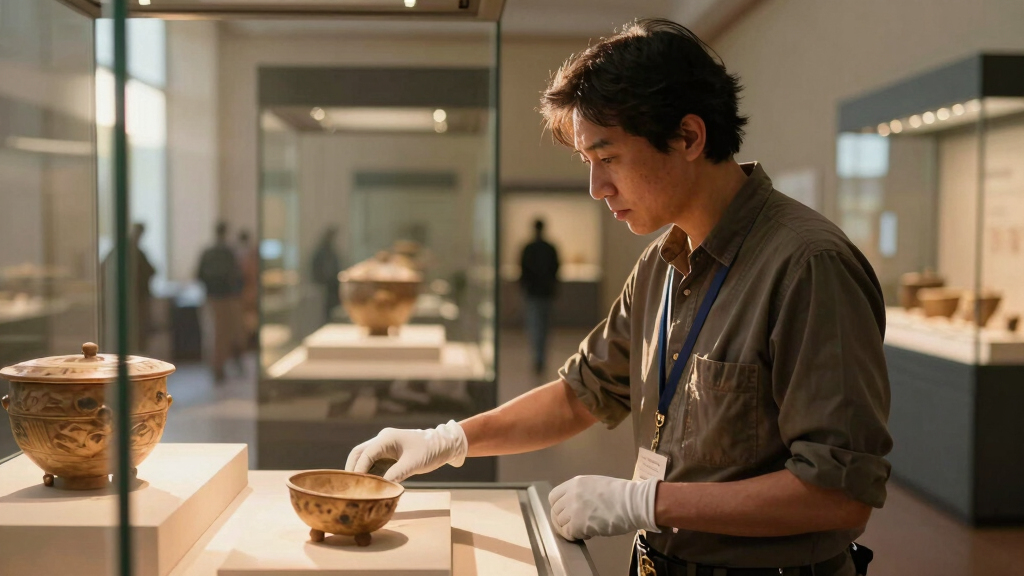
Numerous museums possess artifacts connected to a convicted antiquity dealer, prompting scrutiny of provenance and legal issues. This raises broader questions about museum collection practices and ethical standards.
Several prominent museums have confirmed holding artifacts linked to a convicted antiquity dealer, raising questions about the provenance and legality of their collections. This development matters because it challenges the transparency and ethical standards of cultural institutions, which are under increasing public and governmental scrutiny.
Investigations have revealed that artifacts in the collections of multiple museums, including some major institutions, were acquired from or are associated with a dealer convicted of antiquities trafficking. The dealer, whose identity has been publicly disclosed, was sentenced to prison for smuggling and illegal trade of cultural artifacts. Museums have stated that they are reviewing their collections and provenance documentation.
While some artifacts were purchased legally, others lack clear provenance records, raising concerns about whether they were illicitly obtained or looted. Experts note that the issue of provenance is complex, especially with artifacts that entered collections decades ago, often with incomplete documentation. The museums involved have pledged cooperation with authorities and are conducting internal reviews.
This situation has prompted calls from cultural heritage advocates and lawmakers for stricter provenance vetting and transparency in museum acquisitions, as well as greater accountability for institutions that may have unknowingly or negligently acquired illicit artifacts.
Legal and Ethical Implications for Cultural Institutions
This situation underscores the ongoing challenge museums face in verifying the provenance of their collections, especially when dealing with artifacts linked to illegal trade. It raises questions about the ethical responsibilities of institutions to prevent the display and sale of looted or illicitly obtained objects. The case also highlights the importance of transparency and due diligence in collecting practices, which are vital for preserving cultural heritage and maintaining public trust.
Popular right now

Vitamix 5200 Professional-Grade Blender, 64 oz. Container, Black

KitchenAid Artisan Series 5-Quart Tilt-Head Stand Mixer, Dried Rose (KSM150PS)

Vitamix Propel Series 510 Professional-Grade Blender, 3 Programs, Black
As an affiliate, we earn on qualifying purchases.
Historical Background of Artifact Trafficking and Museum Collections
For decades, the illegal antiquities trade has flourished due to high demand for artifacts and weak enforcement in source countries. Many museums acquired artifacts with incomplete provenance or through intermediaries, sometimes unknowingly importing illicit items. The conviction of the dealer involved has brought renewed attention to the issue, prompting museums worldwide to reassess their collections and provenance records.
Recent high-profile cases have exposed the extent of the problem, leading to increased calls for stricter regulations and ethical standards. Some institutions have implemented new vetting procedures, but critics argue that many collections still contain questionable objects.
“This case highlights the urgent need for museums to thoroughly verify the provenance of every artifact in their collections to prevent supporting illegal trade.”
— Dr. Maria Lopez, Cultural Heritage Expert
Extent of Illicit Artifacts in Museum Collections Unknown
It is not yet clear how many artifacts in total are linked to the convicted dealer, or how many museums are involved beyond those publicly identified. The full scope of illicit artifacts in public and private collections remains uncertain, as provenance records are often incomplete or missing.
Ongoing Investigations and Policy Reforms Expected
Authorities and museums are expected to continue reviewing collections, with some institutions possibly returning or repatriating artifacts. Legislative bodies may introduce stricter regulations on provenance verification, and public transparency initiatives could be expanded. The case may also prompt broader industry reforms to prevent similar issues in the future.
Key Questions
How do museums acquire artifacts with questionable provenance?
Museums often acquire artifacts through auctions, donations, or intermediaries, sometimes decades ago when provenance standards were less strict. In some cases, documentation is incomplete or fabricated, making verification difficult.
What are the legal consequences for museums holding illicit artifacts?
Museums can face legal action, fines, or reputational damage if they knowingly hold stolen or looted artifacts. Repatriation and restitution processes may also be initiated if provenance issues are confirmed.
Are all artifacts linked to the dealer necessarily illegal?
Not necessarily. Some artifacts may have been legally acquired at the time, but the dealer’s conviction raises questions about the legitimacy of their origins. Provenance verification is key to determining legality.
What measures are museums implementing to prevent future issues?
Many museums are adopting stricter provenance vetting procedures, enhancing documentation standards, and collaborating with provenance experts and authorities to ensure ethical collecting practices.
Source: rss