
📊 Full opportunity report: Licensing And Approvals Hub For Voice Actors' AI Clones on IdeaNavigator AI — validation score, market gap, and execution plan.

Get art and craft supplies delivered free with Prime
- Fast, free delivery on millions of items
- Prime Video, Amazon Music and more included
- Member-only deals all year
TL;DR
A licensing and approvals platform for voice actors’ AI clones is in testing, aiming to simplify rights management and payments. This development responds to the growing commercial use of synthetic voices and legal concerns over consent.
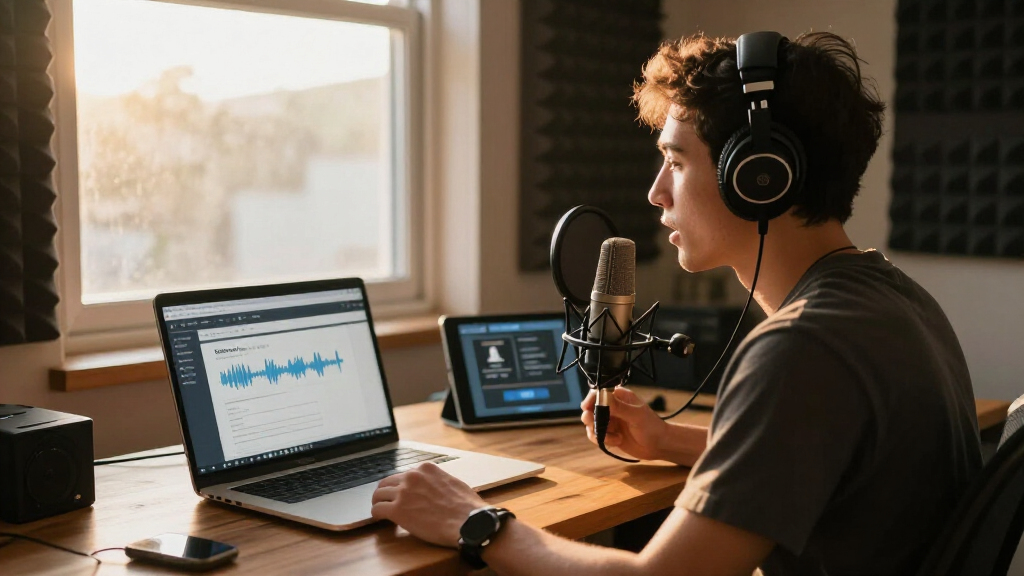
IdeaNavigator AI is testing a new licensing and approvals platform designed specifically for voice actors’ AI clones. The platform aims to streamline the process of granting consent, setting usage terms, and managing payments, addressing a key gap in current rights management for synthetic voices. This development is significant as commercial use of AI voice cloning expands and legal frameworks around consent and compensation evolve.
The platform’s initial focus is a narrow workflow that enables professional voice actors to create license listings for their AI clones. These listings specify allowed use cases, prohibited categories, and per-project rates. Buyers can then submit project requests, which voice actors can approve or reject with a single click. Approved uses are logged, and payment terms are tracked automatically. This process aims to replace the current ad hoc licensing via email, which lacks an audit trail or enforceable scope.
According to sources close to the project, the platform will generate revenue through a percentage commission on each approved licensing transaction. The initiative is currently in a testing phase, where ten voice actors with existing AI clones are being recruited to set license terms. These actors will route five real project requests through the system to evaluate its effectiveness and willingness to use it for paid deals.
Legal and union representatives have increasingly called for structured licensing solutions as AI voice cloning becomes more commercially viable. The platform’s developers see it as a practical step toward better rights management and fair compensation for voice actors whose likenesses are used in synthetic forms.
Potential Impact on Voice Actors and AI Voice Market
This platform could significantly improve how voice actors control and monetize their AI clones, providing a transparent, enforceable licensing process. It addresses legal and ethical concerns about consent and compensation, which have gained attention as AI voice technology becomes more widespread. If successful, it could set a standard for rights management in the AI voice industry, encouraging broader adoption and more structured negotiations.
AI voice cloning licensing platform
As an affiliate, we earn on qualifying purchases.
As an affiliate, we earn on qualifying purchases.
Growing Commercial Use of AI Voice Cloning and Legal Challenges
AI voice cloning has become increasingly accessible and commercially viable, with many companies offering synthetic voice services. However, rights management remains fragmented, often relying on informal agreements that lack clarity and enforceability. Recent legal discussions and union concerns have emphasized the need for structured licensing solutions that respect voice actors’ consent and ensure fair pay. The development of this licensing hub aligns with broader industry efforts to formalize rights and address legal uncertainties.
“This platform could be a game-changer for rights management in AI voice cloning, providing transparency and enforceability that are currently missing.”
— an anonymous researcher
voice actor rights management software
As an affiliate, we earn on qualifying purchases.
As an affiliate, we earn on qualifying purchases.
Uncertainties About Adoption and Legal Effectiveness
It is not yet clear how many voice actors will adopt the platform or whether it will be widely accepted by clients and licensing entities. The legal enforceability of the licensing terms and how disputes will be handled remain to be seen. Additionally, the platform’s effectiveness in preventing unauthorized use or misuse of AI clones is still untested.
As an affiliate, we earn on qualifying purchases.
Next Steps in Validation and Industry Adoption
The platform’s developers plan to complete initial testing with recruited voice actors and real project requests. Success in this phase could lead to broader rollout and industry adoption. Future milestones include expanding the user base, integrating with existing rights management systems, and establishing legal frameworks to support enforceability. Observers will watch for how well the system handles real-world licensing scenarios and whether it influences industry standards.
As an affiliate, we earn on qualifying purchases.
Key Questions
How will voice actors benefit from this licensing platform?
The platform allows voice actors to set clear usage terms, approve projects easily, and track payments, giving them more control and transparency over their AI clones’ licensing.
Can clients use the platform to license AI voices for commercial projects?
Yes, clients can submit project requests that voice actors can approve or reject through the system, streamlining the licensing process.
Is this licensing system legally binding?
While designed to create enforceable agreements, the legal effectiveness will depend on jurisdiction and how well the platform’s terms are integrated into existing legal frameworks.
The platform aims to improve control and tracking, but its ability to prevent misuse depends on implementation and enforcement mechanisms.
When will the platform be available for widespread use?
The system is currently in testing; a broader rollout will depend on initial results and industry acceptance, likely within the next year.
Source: IdeaNavigator AI
Halloween Picks
halloween
As an affiliate, we earn on qualifying purchases.