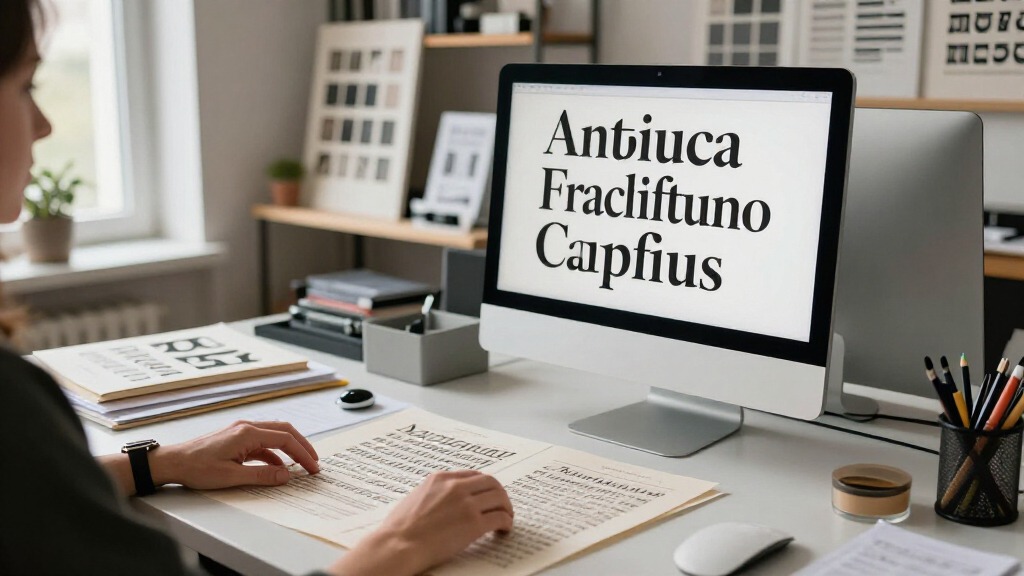

TL;DR
A dispute over the use of Antiqua and Fraktur typefaces has escalated among scholars, institutions, and cultural groups. The conflict centers on historical authenticity, cultural identity, and typographic standards, with no resolution yet in sight.
The dispute over the use of Antiqua and Fraktur typefaces has escalated among German cultural institutions, scholars, and publishers, highlighting tensions over historical authenticity and cultural identity. This controversy affects decisions on educational materials, official documents, and cultural preservation efforts.

Get art and craft supplies delivered free with Prime
- Fast, free delivery on millions of items
- Prime Video, Amazon Music and more included
- Member-only deals all year
Recent debates have centered on whether to promote Antiqua, the Latin script historically associated with modern print, or Fraktur, a blackletter typeface linked to German heritage. Several German states and institutions have issued guidelines favoring Antiqua for official use, citing clarity and international standards.
However, proponents of Fraktur argue that the script is a vital part of German cultural identity and historical tradition. Some cultural groups and scholars have challenged the official policies, claiming they diminish Germany’s cultural heritage and historical diversity.
Legal and educational policies are also affected: some schools have adopted Antiqua for textbooks, while others continue to use Fraktur in cultural contexts. The debate has also spilled into public discourse, with social media campaigns both supporting and opposing the shift.
Implications for Cultural Identity and Educational Policy
This dispute matters because it touches on issues of cultural heritage, national identity, and the standards of clarity and accessibility in public communication. The choice of typeface influences how history is preserved and presented, affecting both educational curricula and public perception of cultural authenticity.
Moreover, the controversy reflects broader debates about globalization, cultural preservation, and the role of tradition in modern society. The outcome could influence typographic standards and cultural policies across Germany and potentially in other countries with similar historical scripts.
Popular right now

Ninja Foodi 8-Quart DualZone 6-in-1 Air Fryer, Grey (DZ201)

Vitamix 5200 Professional-Grade Blender with 64 oz Container, Black

Breville Barista Express Manual Espresso Machine with Built-In Grinder, Brushed Stainless Steel
As an affiliate, we earn on qualifying purchases.
Historical Roots and Recent Policy Changes in Germany
The Antiqua–Fraktur dispute has deep roots in 20th-century history, where Fraktur was widely used in German print until the mid-20th century. After World War II, the shift toward Antiqua was promoted by authorities seeking international integration, though Fraktur remained popular in cultural and religious contexts.
In recent years, debates have resurfaced amid efforts to standardize official documents and educational materials. Several German states, including Baden-Württemberg and Bavaria, have issued guidelines favoring Antiqua, citing reasons such as legibility and international compatibility. Critics argue that these policies marginalize Fraktur, which is seen by some as a symbol of national heritage and cultural pride.
Legal challenges and public debates have emerged, with cultural groups advocating for the preservation of Fraktur as part of Germany’s cultural patrimony.
“The choice of typeface is not merely aesthetic; it reflects how a society perceives its history and identity.”
— Dr. Hans Müller, historian specializing in German cultural history
Unresolved Legal and Cultural Status of Fraktur
It is not yet clear whether official policies favoring Antiqua will be challenged legally or whether cultural groups will succeed in having Fraktur recognized as a protected cultural symbol. The legal framework for such recognition remains ambiguous, and public opinion is divided.
Potential Legal Challenges and Policy Revisions
Legal challenges are expected to be filed by cultural groups seeking recognition of Fraktur as a cultural heritage. Additionally, debates within government bodies may lead to revisions of typographic policies, possibly resulting in a compromise that preserves Fraktur in cultural contexts while promoting Antiqua for official and educational use.
Scholars and cultural advocates are also planning campaigns to raise awareness about the script’s historical significance, which could influence future policy decisions.
Key Questions
Why is the dispute between Antiqua and Fraktur so significant?
The dispute reflects broader issues of cultural identity, historical preservation, and typographic standards, affecting education, official documents, and cultural heritage policies in Germany.
What are the main arguments in favor of Fraktur?
Proponents argue that Fraktur is a vital part of German cultural heritage, symbolizing historical tradition and national identity, and should be preserved in cultural and historical contexts.
Why are some German states promoting Antiqua?
States cite reasons such as improved legibility, international compatibility, and modern typographic standards as justification for adopting Antiqua in official and educational materials.
Could Fraktur be legally protected as cultural heritage?
This remains uncertain as no clear legal framework currently exists to recognize scripts as protected cultural heritage, though advocacy efforts are ongoing.
Source: hn