TL;DR

Get art and craft supplies delivered free with Prime
- Fast, free delivery on millions of items
- Prime Video, Amazon Music and more included
- Member-only deals all year
The Gwangju Biennale has experienced a notable increase in global media coverage, with mentions rising 12-fold compared to baseline. This surge indicates heightened international interest in the event, though the reasons for this spike remain unconfirmed.
The Gwangju Biennale has seen a significant surge in international media coverage, with mentions increasing 12 times over the baseline during the current reporting window. This rise highlights the event’s growing global profile and interest from international audiences, though specific reasons for the spike remain unconfirmed.
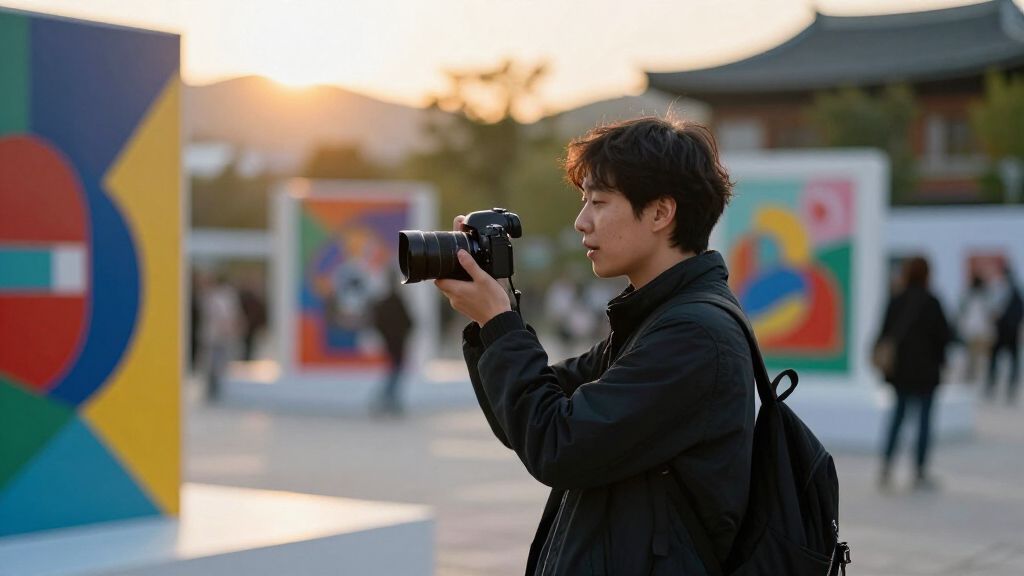
According to the GDELT database, which tracks global media mentions, the Gwangju Biennale has registered 12 mentions in this reporting window, compared to a typical baseline of 1 mention. This represents a 12-fold increase, marking a notable escalation in media attention. The event, held in South Korea’s Gwangju city, is one of Asia’s most prominent contemporary art exhibitions and has traditionally attracted regional and international visitors.
Sources indicate that the surge in coverage may be related to increased international interest in Korean contemporary art, as well as recent curatorial developments at the Biennale. However, it is important to note that the exact cause of this spike has not been officially confirmed or explained by organizers or media analysts. Experts suggest that the rising global attention could also be linked to broader trends in Asian art markets or recent media campaigns, but these remain speculative at this stage.
Implications of the Coverage Surge for the Gwangju Biennale
The increased international media attention has potential implications for the Gwangju Biennale’s future visibility, visitor numbers, and influence within the global art scene. A surge in coverage can enhance the event’s reputation, attract more international visitors, and boost South Korea’s profile as a hub for contemporary art. This heightened visibility might also influence future funding, sponsorship, and partnerships, positioning Gwangju as a key player in global art circuits.
However, it remains uncertain whether this coverage spike will translate into tangible outcomes such as increased attendance or broader media engagement. The lack of official confirmation about the reasons behind the surge means that the long-term impact is still unclear. Nonetheless, the trend underscores the importance of media presence in elevating regional art events on the world stage.
Popular right now

KitchenAid Commercial 8-Quart Bowl-Lift Stand Mixer, White

Ninja CREAMi 7-in-1 Ice Cream Maker, NC301

Dyson 360 Vis Nav Robot Vacuum
As an affiliate, we earn on qualifying purchases.
Recent Trends in Media Interest in Asian Art Events
The Gwangju Biennale has historically been a significant event in the Asian contemporary art calendar, attracting regional and international attention. Over recent years, there has been a rising global interest in Asian art markets and cultural exhibitions, driven by increasing investment and curiosity from Western and other international audiences. This trend has been reflected in growing media coverage and visitor numbers.
The current spike in mentions, as tracked by GDELT, aligns with broader patterns of increased media focus on Asian cultural events, although specific triggers for this particular surge are not yet identified. Past editions of the Biennale have periodically seen increased attention, often linked to notable exhibitions or international collaborations, but this recent jump appears to be more pronounced and sudden.
Analysts caution that such spikes can sometimes be short-lived or driven by specific media cycles, and it is too early to determine whether this will have a lasting impact on the event’s profile.
Unconfirmed Causes Behind the Media Coverage Increase
It is currently unclear what specific factors have driven the 12-fold increase in media mentions. The exact reasons for the surge, whether related to curatorial choices, international campaigns, or external media cycles, have not been officially confirmed. Analysts emphasize that the spike could be a temporary phenomenon or part of a broader trend in Asian art coverage, but definitive explanations are lacking at this stage.
Monitoring Future Media Trends and Event Outcomes
The next steps involve tracking whether the media coverage sustains or declines in subsequent weeks. Organizers and analysts will likely examine attendance figures, international visitor data, and media engagement metrics to assess the actual impact of this coverage spike. Additionally, the event’s management may launch targeted campaigns to capitalize on the increased visibility, potentially leading to further international collaborations or exhibitions.
Further official statements or media analysis are expected to clarify the causes of this surge and its implications for the Biennale’s future trajectory.
Key Questions
What is causing the spike in media coverage of the Gwangju Biennale?
It is not yet confirmed what exactly caused the surge; possibilities include increased international interest in Korean art, recent curatorial developments, or media cycles. Official explanations are pending.
Will this media attention lead to more visitors or funding?
While heightened media coverage can boost visibility and potentially attract more visitors and sponsors, the direct impact remains uncertain until further data is available.
Is this surge typical for the Gwangju Biennale?
Media interest in the Biennale has fluctuated over the years, but the current spike appears to be unusually high compared to past trends.
How long will this increased coverage last?
It is difficult to predict; media cycles can be short-lived, and analysts will monitor ongoing coverage to determine if the trend persists.
What is the significance of this event for Korean contemporary art?
The surge in international media attention may elevate Korea’s profile in the global art scene, attracting new audiences and opportunities for artists and institutions.
Source: gdelt