TL;DR

Get art and craft supplies delivered free with Prime
- Fast, free delivery on millions of items
- Prime Video, Amazon Music and more included
- Member-only deals all year
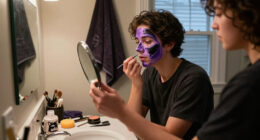
A Hyperallergic report says this year’s Gay Halloween costumes are largely paying tribute to real and fictional women and their memorable pop culture moments. The costumes range from fashion references to viral clips and scandals; the report describes a trend it has observed, not a measured survey.
This year’s Gay Halloween costumes are drawing heavily on real and fictional women and their pop culture legacies, according to a report by Hyperallergic. The costumes recall everything from fashion moments to viral clips and scandals, turning recognizable media references into elaborate dress-up tributes.
Hyperallergic describes Gay Halloween as a costume trend in which participants recreate specific media moments, including niche or overlooked ones, rather than choosing familiar Halloween archetypes. The report says this year’s examples it has noticed are especially focused on women who have shaped pop culture through fashion, interviews, plotlines, scandals and distinctive public personas.
Among the references mentioned are Kelly Clarkson’s mechanical bird incident and Carrie Bradshaw’s Dior newsprint dress. The report also points to costumes inspired by viral interview clips and fictional plot points, arguing that the references are often highly specific rather than broad character imitations.
The article notes that other 2026 events and memes have also appeared as costume subjects, including the Taylor Farms lettuce-linked cyclosporiasis outbreak and rumors that surfaced during Mitch McConnell’s absence from public view. Hyperallergic’s account frames those as part of a wider pool of absurd or memorable events, while saying women’s cultural images stand out among the costumes it has observed.
Women at the Center of Costume Culture
The trend shows how Halloween costumes can act as a form of cultural commentary: a look or brief media moment becomes recognizable enough to recreate and share. The references also highlight the staying power of women whose appearances, performances or fictional stories continue to circulate across online communities.
For readers, the examples offer a snapshot of what is resonating in pop culture during the 2026 Halloween season. The focus is not limited to admiration or celebration. Hyperallergic’s title, “Women’s Rights and Wrongs,” signals a mix of iconic moments and more awkward or controversial material, though the report does not claim that every costume expresses the same judgment about its subject.
Because the trend depends on shared recognition, its details matter: a costume may refer to a single outfit, a viral clip or an entire media persona. That specificity is part of the form described by the report, but it also means the references can be difficult to interpret without the original cultural context.
Popular right now

Dyson Cyclone V10 Origin Cordless Vacuum

Bose QuietComfort Wireless Noise-Cancelling Over-Ear Headphones, Black

Samsung 42-Inch S90H OLED 4K Smart TV Bundle
As an affiliate, we earn on qualifying purchases.
From Memes to Halloween Costumes
Hyperallergic characterizes Gay Halloween as a recently named phenomenon associated with online culture. In its description, the practice celebrates particular media moments through high-effort costumes, including subjects that may be niche, absurd or easy to miss outside the communities discussing them.
The report contrasts those choices with more conventional Halloween outfits, such as cats or superheroes. Its examples span fashion history, celebrity media and internet memes, placing the women’s references within a broader practice of translating the year’s cultural conversation into costumes.
The article is a cultural report based on examples the writer says they have noticed. It does not provide a count of costumes, a survey of participants or a comparison with previous years, so its description should be read as an observed trend rather than a quantified measure of what most people are wearing.
““Gay Halloween is best described as the costume-based valorization of specific media moments.””
— Hyperallergic report
How Broad Is the Costume Trend?
The report does not establish how many people are choosing these costumes or whether women’s references make up a majority across all Gay Halloween celebrations. It offers no sample size, geographic breakdown or year-over-year data, and its wording describes what the writer has noticed.
It is also unclear how participants interpret the references: a costume may be affectionate, ironic or critical, and the report does not assign one meaning to every example. The cited events and figures are presented as costume inspirations, not as new findings about the underlying incidents or controversies.
More Costumes as Halloween Continues
The report describes a trend during the current 2026 Halloween season; it does not announce a formal event, organizer or upcoming program. As the holiday continues, additional costumes and social media posts may show whether the women’s pop culture references remain prominent alongside other memes and events.
Hyperallergic has not provided a follow-up date or further data on the trend. Any broader assessment of its reach would require more examples or reporting beyond the observations in this article.
Key Questions
What does Gay Halloween mean in this report?
Hyperallergic uses the term for costumes that recreate specific media moments, including niche or overlooked references, rather than relying only on conventional Halloween characters.
What is the main theme this year?
The report says costumes it has noticed are strongly focused on real and fictional women and their influence on fashion, viral media, scandals and popular culture.
Which examples does the report mention?
Examples include Kelly Clarkson’s mechanical bird and Carrie Bradshaw’s Dior newsprint dress, along with references to viral clips, plot points and other 2026 memes.
Does the report show that most costumes nationwide follow this theme?
No. It describes the writer’s observations and gives no costume counts or survey data to measure how common the theme is across a wider population.
Source: hyperallergic.com