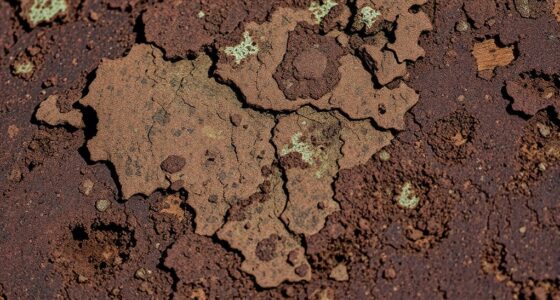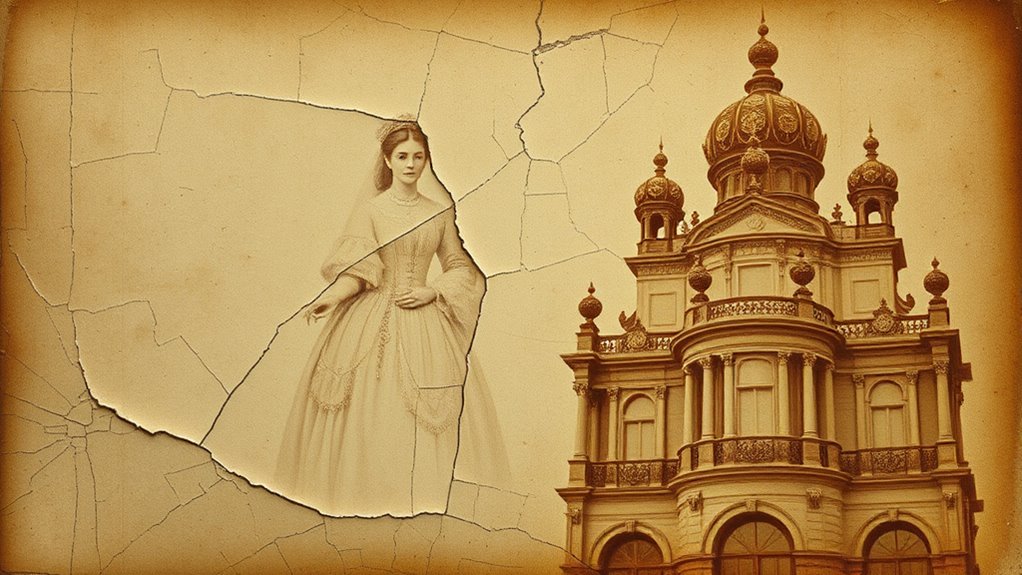

Albumen prints, an early photographic medium developed in the 19th century, played a crucial role in capturing detailed images on paper using egg whites. Though innovative and beautiful, they are now mostly forgotten and face deterioration due to their fragile chemical composition. Proper preservation is essential to keep this part of photographic history alive. If you stay curious, you’ll discover how these images shaped visual culture and why their preservation matters today.
Key Takeaways
- Albumen prints were among the earliest mass-produced photographic images, shaping early visual culture in the 19th century.
- Their chemical and physical properties make preservation challenging due to fragility and sensitivity to environmental factors.
- The use of egg whites as a binding agent marked a technological innovation but contributed to long-term deterioration.
- Conservation efforts involve specialized storage, expert restoration, and digital techniques to preserve these historic images.
- Recognizing their cultural and historical significance underscores the importance of ongoing preservation and research.

Despite their popularity in the 19th century, albumen prints have largely faded from public consciousness, overshadowed by newer photographic methods. Yet, these photographs played a fundamental role in shaping early visual culture, capturing everything from portraits to landscapes with remarkable detail and clarity. Their historical significance is undeniable, serving as some of the earliest mass-produced photographic images and influencing the development of photographic art and documentation. As you explore this medium, you’ll appreciate how albumen prints marked a technological leap, utilizing egg whites as a binding agent to produce glossy, durable images on paper. These prints allowed for sharper images than previous techniques, making them highly desirable among collectors, artists, and historians. The chemical process involving egg whites was innovative but also contributed to their long-term fragility. However, despite their importance, preserving albumen prints presents significant challenges. The chemical composition that made them so striking also rendered them susceptible to deterioration over time. The egg-white coating, while initially durable, is sensitive to environmental factors such as humidity, temperature fluctuations, and exposure to light. As a result, many albumen prints have suffered from fading, staining, cracking, or even complete disintegration. You might observe that many surviving examples are fragile or exhibit signs of decay, making preservation efforts essential but difficult. Proper storage conditions—acid-free mounts, controlled humidity, and limited light exposure—are necessary to prolong their lifespan, yet such measures are not always accessible or implemented. Additionally, advances in conservation techniques are crucial for maintaining these fragile artifacts for future study and enjoyment. Implementing restoration methods can sometimes help stabilize and prolong the life of these precious images. The preservation challenges of albumen prints are compounded by their fragile nature and the rarity of well-preserved examples. Since many were produced in the 19th century, they require expert conservation techniques to prevent further deterioration. Restorative efforts involve delicate cleaning, stabilization, and sometimes digital restoration to bring these images back to life. Despite these hurdles, preservation remains indispensable because each albumen print is a tangible link to history—an authentic artifact that reveals how our ancestors saw the world. If you’re interested in cultural heritage or photographic history, understanding these challenges underscores the importance of conservation, ensuring that these precious images aren’t lost forever. Recognizing the chemical composition of albumen prints highlights their vulnerability and the importance of proper conservation techniques. In addition, ongoing research into preservation methods continues to improve how we care for these delicate objects. By understanding their value and addressing their preservation challenges, you help keep alive a critical chapter of photographic history that might otherwise be forgotten.

Nikon D7500 20.9MP DSLR Camera with AF-S DX NIKKOR 18-140mm f/3.5-5.6G ED VR Lens, Black
Class leading image quality, ISO range, image processing and metering equivalent to the award winning D500
As an affiliate, we earn on qualifying purchases.
Frequently Asked Questions
How Does Albumen Print Differ From Other Early Photographic Processes?
Albumen prints differ from other early photographic processes mainly in their chemical composition and visual characteristics. You’ll notice the image is created using egg whites coated on paper, which enhances smoothness and detail. This process produces a warm, glossy surface, offering rich tonal range and sharpness. Unlike other methods, albumen prints stand out with their distinctive, vibrant look, making them highly valued for their clarity and aesthetic appeal.
What Are the Primary Causes of Albumen Print Deterioration Over Time?
You’d think your precious albumen prints would last forever, but alas, time has other plans. Chemical degradation silently erodes their delicate surface, while environmental damage—like humidity, light, and pollutants—accelerate deterioration. Ironically, what was once celebrated for its sharp detail now suffers from fragile fragility. To preserve these treasures, you must control storage conditions, shield them from light, and minimize exposure to harmful elements, ensuring they don’t fade into oblivion.
Can Albumen Prints Be Restored or Preserved Effectively Today?
You can restore or preserve albumen prints effectively today by understanding their chemical stability. Modern preservation methods, like controlled environments and careful cleaning, help prevent further deterioration. Expert conservation techniques can stabilize existing damage and sometimes reverse minor issues. By using these methods, you guarantee your prints maintain their historical and aesthetic value, allowing future generations to appreciate their unique beauty and craftsmanship.
Who Were the Most Notable Photographers Using Albumen Prints Historically?
Imagine holding a historic masterpiece created by pioneering innovators like Julia Margaret Cameron. You’d marvel at her delicate albumen prints that captured timeless portraits. These photographers revolutionized the medium, producing iconic images that defined early photography. Their work remains influential today, showcasing the artistic potential of albumen prints. If you explore their contributions, you’ll appreciate how they transformed photography into a revered art form, leaving a lasting legacy.
Are There Modern Techniques That Replicate the Albumen Print Aesthetic?
You can explore digital emulation to replicate the albumen print aesthetic today. Many photographers use vintage filters in photo editing software to mimic the warm tones, subtle textures, and soft contrasts characteristic of albumen prints. These techniques let you achieve a nostalgic, historic look without traditional chemical processes, making it accessible and easy to incorporate the vintage charm into modern photography.

Canon EOS Rebel T7 DSLR Camera Double Zoom Lens Kit with EF-S 18-55mm and EF 75-300mm Lenses, 24.1 Megapixel CMOS (APS-C) Sensor, Full HD Videos, Wi-Fi, Beginner Photographers, Digital Camera, Black
Improved Dual Pixel CMOS AF and eye detection AF 24.1 Megapixel CMOS (APS-C) sensor with is 100–6400 (H:...
As an affiliate, we earn on qualifying purchases.
Conclusion
As you uncover the story of albumen prints, you realize they’re like fragile whispers from the past, easily fading away if ignored. Preserving this lost art is like holding onto a delicate thread that connects you to history’s soul. By appreciating their beauty, you keep their memory alive, ensuring they don’t slip into the shadows forever. Let these images remind you that even the most overlooked art forms deserve to shine once more.

Canon EOS 2000D / Rebel T7 DSLR Camera with EF-S 18-55mm Lens + SanDisk 32GB Card Tripod Case Wideangle Lenses ZeeTech Accessory Bundle (20pc Bundle) (18-55MM, Card) Black (Renewed)
Viewfinder type: Optical
As an affiliate, we earn on qualifying purchases.

Canon EOS Rebel T7 DSLR Camera w/EF-S 18-55mm F/3.5-5.6 Zoom Lens + 420-800mm Super Telephoto Lens + 100S Sling Backpack + 64GB Memory Cards, Professional Photo Bundle (42pc Bundle) (Renewed)
This Al’s Variety Camera Bundle Includes Transcend 64GB Class 10 SD Memory Card,58mm 3 Piece Filter Kit ,...
As an affiliate, we earn on qualifying purchases.