
To effectively prevent damage, you should focus on maintaining stable environmental conditions. This involves controlling temperature and humidity levels, monitoring light exposure, and reducing pollutants. Use reliable climate control systems and follow best practices for storage and handling to avoid fluctuations that could harm your collection. Regularly check your environment and respond quickly to any changes. If you want to learn more about specific strategies, keep exploring proven conservation methods tailored to your needs.
Open a free Amazon Business account
Business pricing, bulk buying and tax-exempt orders.
As an affiliate, we earn on qualifying purchases.
Key Takeaways
- Implement continuous environmental monitoring of temperature, humidity, and pollutants to maintain stable conditions.
- Use reliable equipment and tailored environmental controls to prevent fluctuations that cause deterioration.
- Establish clear handling and storage protocols, including proper support and protective gear for fragile objects.
- Train staff regularly on best practices for conservation, handling, and environmental management.
- Respond promptly to environmental changes with corrective measures to minimize long-term damage.

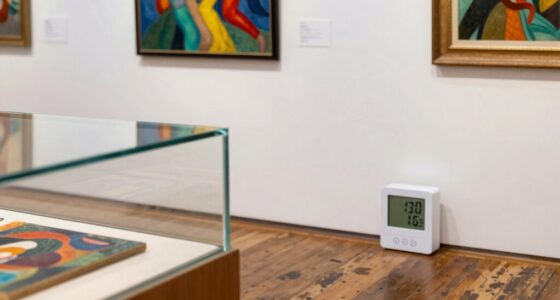
Preventive conservation strategies are essential for safeguarding cultural heritage and ensuring their longevity. When you prioritize these strategies, you’re actively protecting artifacts and historical objects from damage caused by environmental factors and improper handling. One of the key components of effective preventive conservation is environmental monitoring. By regularly tracking temperature, humidity, light levels, and pollutants within storage and display areas, you can catch potential issues early before they cause irreversible harm. For instance, fluctuations in humidity can lead to warping or cracking, while excessive light exposure accelerates fading and deterioration. Using reliable monitoring equipment allows you to maintain ideal conditions tailored to each item’s specific needs, reducing the risk of deterioration over time.
Handling techniques are equally indispensable in preserving your collection. When you handle artifacts improperly, you risk causing physical damage, such as tears, abrasions, or breaks. It’s imperative to adopt proper handling procedures, including wearing gloves to prevent oils and dirt from transferring onto objects and supporting items adequately during movement. Training staff and volunteers on correct handling techniques ensures everyone understands how to minimize risks. For fragile or delicate objects, using appropriate tools like supports or cradles can make a significant difference in preventing accidental damage. Additionally, always plan your handling activities carefully—think ahead about the safest route, avoid unnecessary movement, and ensure a clean, stable environment during the process. Incorporating professional expertise into your conservation efforts can further enhance the effectiveness of these practices.
Combining environmental monitoring with proper handling techniques creates a thorough approach to preventive conservation. For example, if monitoring indicates a spike in humidity, you can take immediate steps to adjust climate controls and handle sensitive objects with extra care until conditions stabilize. Moreover, establishing clear protocols for handling, storage, and intervention helps maintain consistency and reduces the likelihood of accidents or mishandling. Regular staff training keeps everyone updated on best practices, reinforcing a culture of preservation.
environmental monitoring equipment for museums
As an affiliate, we earn on qualifying purchases.
As an affiliate, we earn on qualifying purchases.
Frequently Asked Questions
How Does Humidity Affect Different Types of Artifacts?
Humidity fluctuations directly impact different artifacts by increasing their vulnerability to damage. High humidity can cause materials like wood, paper, and textiles to swell, warp, or rot, while low humidity leads to cracking and brittleness. Sudden changes worsen this effect, making artifacts more fragile and prone to deterioration. You should monitor and control humidity levels carefully to minimize these risks, ensuring your artifacts stay stable and preserved over time.
What Are the Latest Technological Tools for Climate Monitoring?
You can now use smart sensors and data analytics to monitor climate conditions precisely. Smart sensors detect temperature, humidity, and light levels in real time, alerting you to potential risks. Data analytics helps interpret this data, revealing patterns and enabling proactive adjustments. These tools empower you to maintain ideal environmental conditions for artifacts, reducing deterioration risks and ensuring long-term preservation efforts are more effective and efficient.
How Can Small Museums Implement Cost-Effective Climate Controls?
You can implement cost-effective climate controls by optimizing artifact storage with simple preservation techniques like using silica gel packs to regulate humidity and ensuring proper ventilation. Invest in affordable devices such as portable dehumidifiers or fans to maintain stable temperature and humidity levels. Regularly monitor conditions with budget-friendly sensors, and rearrange storage to minimize exposure to fluctuating environmental factors. These strategies help protect artifacts without breaking the bank.
Are There Eco-Friendly Options for Climate Regulation?
Yes, you can use eco-friendly options for climate regulation by incorporating sustainable materials like natural insulation and renewable energy sources such as solar panels. These methods help reduce your museum’s carbon footprint while maintaining proper climate control. By choosing energy-efficient systems and sustainable materials, you create an environmentally responsible environment that protects your collections and supports your commitment to sustainability. This approach is both eco-friendly and cost-effective in the long run.
How Often Should Climate Data Be Reviewed for Optimal Preservation?
Think of monitoring climate data as tending a delicate garden; you need to check it regularly to guarantee the plants thrive. You should review artifact sensitivity and preservation cycles at least quarterly, or more often if environmental conditions fluctuate. Regular reviews help you catch issues early, maintaining ideal preservation conditions. Staying vigilant ensures your collection remains resilient against climate shifts, much like a gardener protects their precious blooms from unexpected storms.
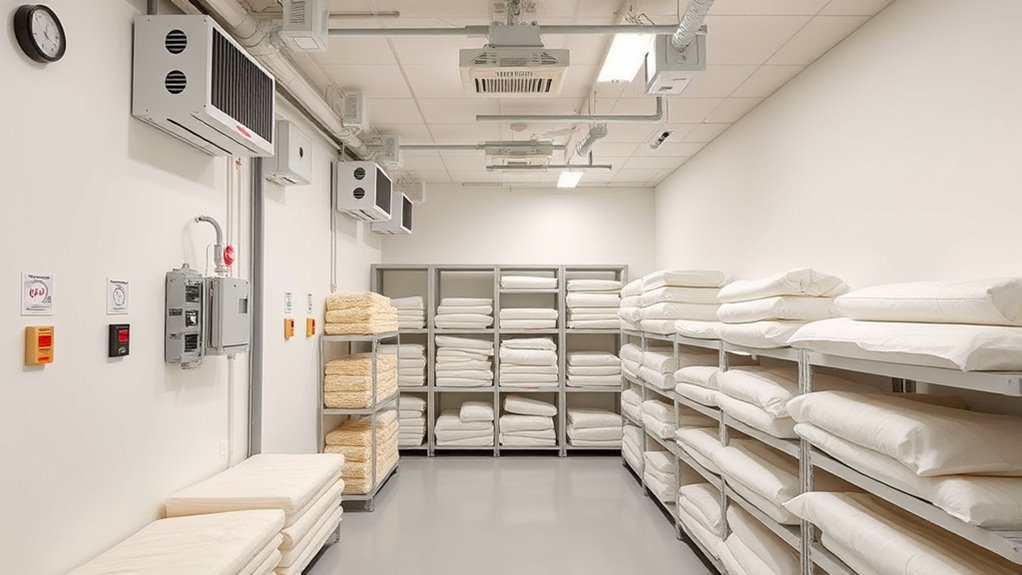
climate control systems for artifact preservation
As an affiliate, we earn on qualifying purchases.
As an affiliate, we earn on qualifying purchases.
Conclusion
By implementing these preventive conservation strategies, you’ll stay ahead of potential damage and preserve your collection for the future. Remember, an ounce of prevention is worth a pound of cure, so don’t wait until problems arise. Stay proactive, monitor environmental conditions, and handle your items with care. When you take these steps, you’re not just protecting objects—you’re safeguarding history itself. Keep your efforts consistent, and you’ll ensure your collection stands the test of time.
museum handling and storage supplies
As an affiliate, we earn on qualifying purchases.
As an affiliate, we earn on qualifying purchases.
artifact protective gloves and supports
As an affiliate, we earn on qualifying purchases.
As an affiliate, we earn on qualifying purchases.
Fall Picks
fall essentials
As an affiliate, we earn on qualifying purchases.