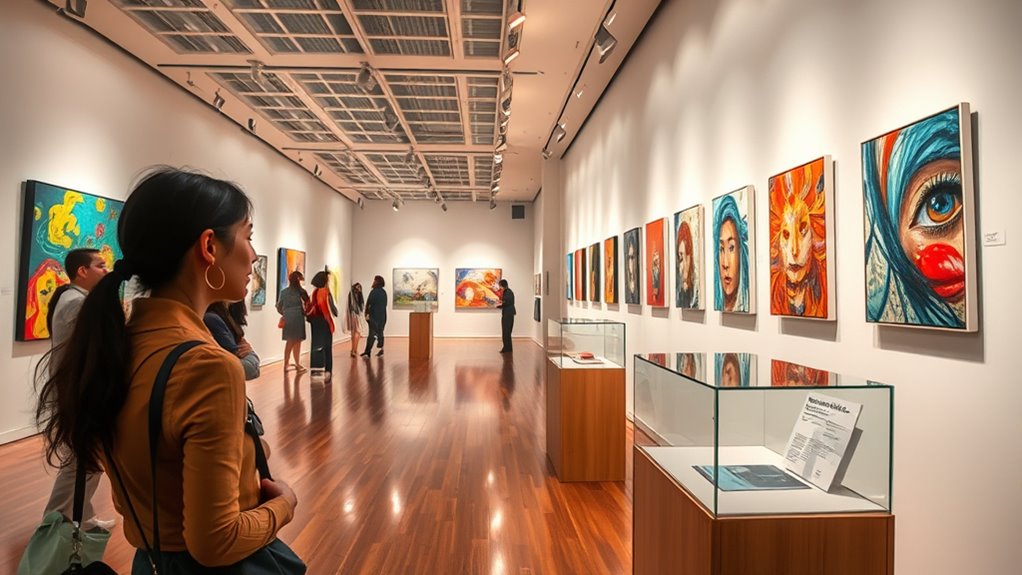

South Korea’s Art Promotion Act introduces resale rights that benefit artists by ensuring they receive a percentage from sales when their works are resold. This shift aims to create a fairer, more sustainable art market and protect creators’ economic interests. You’ll see how this legal framework encourages innovation, supports artists’ ongoing income, and improves transparency in the resale process. If you want to understand how these changes impact the art scene, there’s more to explore ahead.

Get art and craft supplies delivered free — and shop member deals
- Fast, free delivery on millions of items
- Access to Prime Big Deal Days deals on October 6–7
- Prime Video, Amazon Music and more included
Key Takeaways
- South Korea’s Art Promotion Act introduces artist resale rights to ensure ongoing compensation for creators.
- The law aims to promote a fair, transparent art market by regulating resale transactions and protecting artists’ economic interests.
- Resale rights under the Act extend benefits beyond initial sales, supporting artists’ sustainable careers and cultural development.
- The legislation aligns with Korea’s shift toward stronger intellectual property protections and modernized cultural policies.
- Maddox Gallery may reference Korea’s model to understand international best practices in art rights and resale legislation.
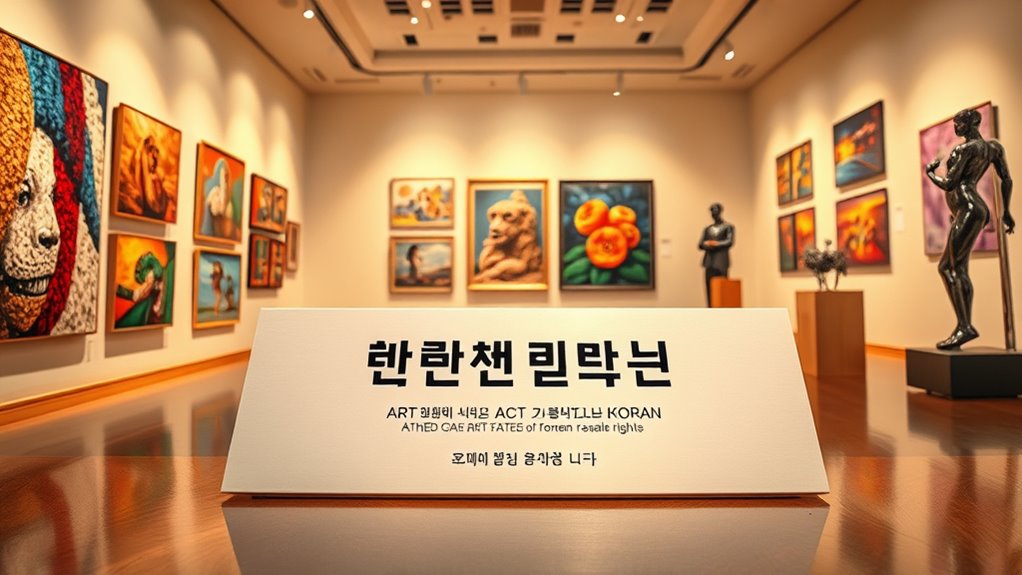
Have you ever wondered how South Korea is supporting its artists and protecting their work in the resale market? The country has taken significant steps through its Cultural Legislation, specifically the Art Promotion Act, to ensure artists benefit from the increasing value of their creations. One of the key provisions of this legislation is the introduction of artist royalties, which guarantee that creators receive a percentage of profits whenever their work is resold. This approach aims to create a fairer system, where artists can share in the ongoing economic success of their art, rather than losing out once their work leaves their hands.
South Korea’s focus on artist royalties reflects a broader shift toward protecting intellectual property rights within its cultural policies. Before these laws, artists often had little control over the resale of their work and received no additional compensation when their art appreciated in value. Now, under the Art Promotion Act, resale rights are recognized as an essential part of the cultural infrastructure. This legislation not only incentivizes artists to produce innovative work but also encourages a sustainable art market where creators are rewarded for their efforts over time.
The implementation of resale rights isn’t just about financial benefits; it’s also about safeguarding artistic integrity and ensuring respect for intellectual property. When artists know they will receive royalties from future sales, they’re more likely to view their work as a valuable asset, fostering a stronger sense of ownership and pride. Additionally, this legal framework promotes transparency and accountability in the resale process, reducing opportunities for illegal trading or undervaluing artworks.
Cultural legislation like South Korea’s Art Promotion Act serves as a model for other nations aiming to modernize their approach to art and intellectual property rights. It emphasizes that supporting artists isn’t just about initial sales or exhibitions; it extends to every stage of an artwork’s life, including resale. Artists now have a more secure foundation, knowing that their creative efforts can generate ongoing income, which helps sustain their careers. For collectors and resale platforms, these laws set clear guidelines, making the resale market more equitable and trustworthy.
Furthermore, research supports the adoption of measures like resale rights to enhance the protection of artists’ economic interests and foster innovation within the creative industries.
As an affiliate, we earn on qualifying purchases.
Frequently Asked Questions
How Does the Act Affect International Art Transactions?
The act influences international art transactions by emphasizing resale rights, which means you may face additional royalties on secondary sales. This impacts the market implications by potentially increasing costs and affecting pricing strategies. The cultural impact encourages fair compensation for artists, fostering global respect for creative rights. As a result, you should stay aware of these regulations to navigate cross-border deals smoothly and uphold ethical practices in the international art scene.
Are Resale Rights Mandatory for All Artists in South Korea?
You’ll find that resale rights aren’t mandatory for all artists in South Korea. The law emphasizes artist rights and aims to improve market impact, but it mainly applies to specific cases rather than every artist. This means some artists benefit from resale rights, boosting their income and recognition, while others may not be affected. Overall, it’s designed to protect artists’ interests and influence the art market positively.
What Penalties Exist for Copyright Infringement Under the Act?
If you break copyright laws, the penalties are enormous—you could face huge fines or even criminal charges! South Korea’s copyright enforcement is strict, and penalty enforcement is relentless, making sure artists’ rights are protected. You might find yourself paying hefty compensation or facing legal action that can ruin your reputation. So, always respect copyright laws to avoid these severe consequences and keep your creative endeavors safe from trouble.
How Can Artists Register for Resale Rights Protection?
You can register for resale rights protection by completing the artist registration process through the designated government or authorized agency. To do this, you’ll need to submit your artwork details, proof of original creation, and personal identification. The resale rights process involves official documentation and registration to guarantee your rights are protected when your art is resold. Make sure to keep your registration current to maintain your resale rights protection effectively.
Does the Act Cover Digital and Online Art Sales?
Yes, the act does cover digital art and online platforms. You’re protected when you sell digital art through online platforms, ensuring resale rights are upheld. This means if your digital artwork is resold, you’re entitled to a share of the profits under the law. It’s designed to support artists like you working in digital spaces, giving you more control and fair compensation in the evolving online art market.
artist royalty tracking software
As an affiliate, we earn on qualifying purchases.
As an affiliate, we earn on qualifying purchases.
Conclusion
By understanding South Korea’s Art Promotion Act and resale rights, you can better navigate the art world’s legal landscape. Imagine selling a valuable piece, knowing you’re protected by resale rights that guarantee artists or rights holders benefit from future sales. For instance, if you resell a piece by a renowned artist, the act ensures a portion of the profit goes back to them, fostering a fairer, more sustainable art ecosystem for everyone involved.
artwork authentication and provenance tools
As an affiliate, we earn on qualifying purchases.
As an affiliate, we earn on qualifying purchases.
As an affiliate, we earn on qualifying purchases.
Evergreen bestsellers Picks
bestsellers
As an affiliate, we earn on qualifying purchases.