The ethics of AI in art creation revolve around questions of originality, attribution, and ownership. As you use AI tools, consider who deserves credit—the programmer, the user, or the AI itself—and whether AI-generated work infringes on existing copyrights. Transparency about human input and dataset sources is essential to respect artists’ rights. If you want to explore how these ethical concerns shape the future of art, there’s more to discover ahead.

Get art and craft supplies delivered free with Prime
- Fast, free delivery on millions of items
- Prime Video, Amazon Music and more included
- Member-only deals all year
Key Takeaways
- Establish clear guidelines for attribution, ownership, and rights to ensure transparency in AI-generated art.
- Address copyright concerns by obtaining proper permissions for datasets used in training AI models.
- Recognize human contributors’ roles, such as programmers and prompt designers, in the creative process.
- Promote transparency about AI’s involvement and source material to respect original artists’ rights.
- Develop ethical standards that balance AI innovation with respect for artistic integrity and intellectual property.
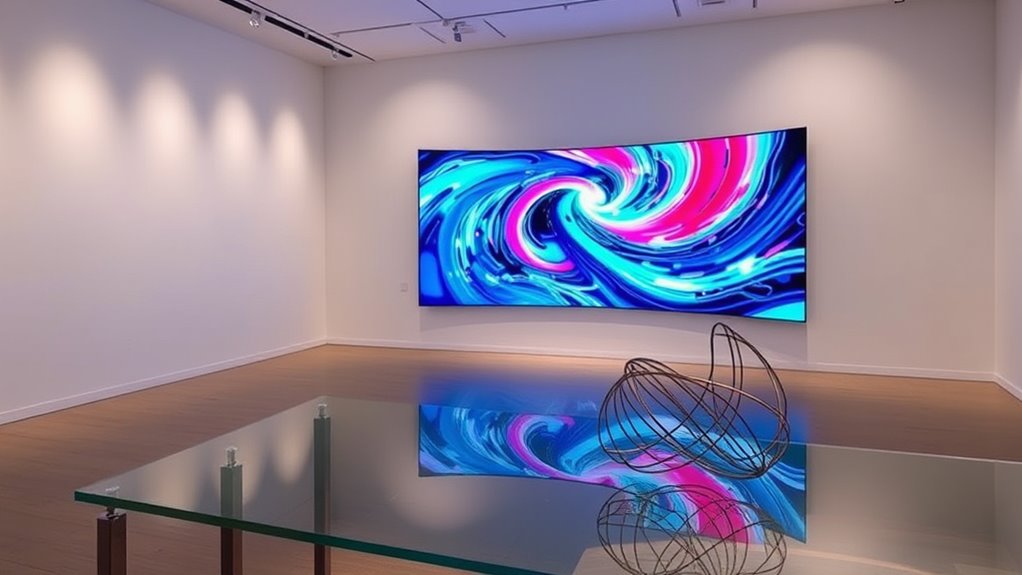
As AI technology increasingly influences the art world, questions about its ethical implications become more urgent. One of the most pressing concerns revolves around copyright issues and artist attribution. When you use AI to generate art, you might wonder who truly owns the work—the creator of the algorithm, the user guiding the AI, or the AI itself. This ambiguity can lead to disputes over copyright concerns, especially when AI models are trained on vast datasets containing existing artworks. If your AI-generated piece closely resembles a pre-existing work, questions about originality and rightful ownership naturally arise. Artists whose works have been used without permission may feel their rights are being infringed upon, raising ethical dilemmas about fair use and the boundaries of creative influence. As a user, you need to be aware of these issues and navigate the fine line between inspiration and infringement.
Furthermore, artist attribution becomes complex in this landscape. Traditionally, artists are credited for their unique style, vision, and craftsmanship. But with AI creating or assisting in art production, it’s often unclear who deserves recognition—the programmer who built the model, the person who inputted prompts, or the machine that produced the final piece. This ambiguity can diminish the value of individual artistic effort and obscure the creative process. If you’re commissioning or sharing AI-assisted work, it’s essential to clarify who should be credited. Is it the AI, the developer who designed it, or the person guiding its outputs? Without transparent attribution, the artistic community risks losing acknowledgment of human creativity and skill involved in the process.
Balancing the benefits of AI art with these ethical concerns requires transparency and respect for existing intellectual property rights. When you create with AI, consider how you handle copyright concerns by ensuring your sources are appropriately licensed or original. Acknowledging the role of human input in guiding AI outputs helps preserve artist attribution and fosters fairness. As AI tools become more prevalent, establishing clear guidelines around rights, attribution, and respect for original artists will be essential. This way, you can enjoy the innovative potential of AI art while upholding the ethical standards that protect creators’ rights and preserve the integrity of artistic expression.
As an affiliate, we earn on qualifying purchases.
Frequently Asked Questions
Can AI Art Truly Be Considered Original or Creative?
You might think AI art isn’t truly original because it mimics existing styles, but it can reflect authentic expression and artistic intention. While AI doesn’t possess consciousness, it can generate innovative, unexpected works that challenge traditional notions of creativity. Your role is to interpret and refine these creations, blending human insight with AI’s capabilities, making the art uniquely yours and fostering genuine artistic expression.
Who Owns the Rights to Ai-Generated Artwork?
You own the rights to AI-generated artwork if you’re the creator or operator behind the process, as you hold the authorship rights. Intellectual property laws typically recognize human input as the basis for ownership, but this can vary by jurisdiction. If an AI generates the work independently, questions about ownership become complex, often leaving rights unclear unless there’s a clear human contribution involved.
How Transparent Should AI Algorithms Be in Art Creation?
You should prioritize algorithm transparency in art creation to uphold artistic integrity. By making how AI algorithms work clear, you help viewers and creators understand the process, fostering trust. Transparency guarantees that the art’s origins aren’t hidden or misleading. When you’re open about the algorithms used, you promote honesty, respect the creative process, and encourage meaningful dialogue about the role of AI in art, maintaining the integrity of your work.
Does AI Art Diminish Human Artists’ Opportunities?
AI art can feel like a tidal wave crashing into the creative shoreline, but it doesn’t necessarily drown human artists. While it may impact market dynamics and challenge notions of artistic authenticity, it also opens new avenues for expression and collaboration. Instead of diminishing opportunities, AI can serve as a tool to enhance your creativity, pushing boundaries and expanding your artistic horizons rather than replacing the unique human touch.
Are There Cultural Biases Embedded in AI Art Algorithms?
Yes, AI art algorithms can embed cultural stereotypes and propagate bias. When you use these tools, you’re often relying on datasets that reflect existing societal biases, which can lead to biased representations. This bias propagation risks reinforcing harmful stereotypes instead of promoting diverse, inclusive art. To counter this, you should be aware of these biases, seek diverse datasets, and actively work to minimize cultural stereotypes in AI-generated art.
As an affiliate, we earn on qualifying purchases.
Conclusion
So, as you marvel at AI’s creative prowess, remember it’s just algorithms mimicking human emotion. The true irony? We’ve handed over the brush, yet still claim to be the masters of art. Perhaps, in relying on machines, we’re uncovering a new kind of creativity—one that’s less about soul and more about code. Ultimately, the question isn’t whether AI can create art, but if it’s willing to take the credit.
AI copyright management software
As an affiliate, we earn on qualifying purchases.
As an affiliate, we earn on qualifying purchases.
As an affiliate, we earn on qualifying purchases.
Halloween Picks
halloween
As an affiliate, we earn on qualifying purchases.