
TL;DR

Get art and craft supplies delivered free — and shop member deals
- Fast, free delivery on millions of items
- Access to Prime Big Deal Days deals on October 6–7
- Prime Video, Amazon Music and more included
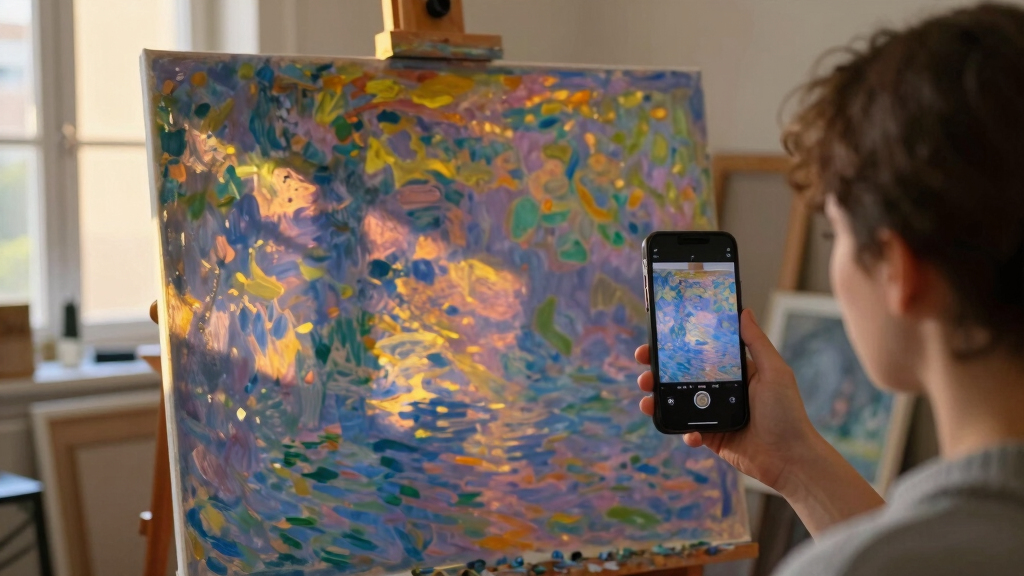
An artist posted an authentic Monet painting on social media, claiming it was created by AI. The incident raises questions about authenticity, AI art, and viewer perception. Confirmed facts are limited to the post itself; interpretations vary.
An artist posted a genuine Monet painting on social media and claimed it was produced by artificial intelligence, prompting widespread discussion about art authenticity and AI-generated content.
The incident involves an individual who uploaded an actual Monet painting to social media platforms, asserting that the work was created by AI technology. The post quickly gained attention, with viewers and critics debating whether the claim was a joke, a test, or a genuine misrepresentation. Experts in AI art have noted that current AI tools can produce images that resemble famous artworks, but authentic Monet paintings are well-documented and unlikely to be mistaken for AI-generated images by knowledgeable audiences. The artist behind the post has not publicly clarified their intent or whether the claim was meant as satire or a serious assertion. The incident has sparked broader conversations about the boundaries of AI art, viewer perception, and the importance of provenance in art authentication.
Why It Matters
This event underscores the challenges in distinguishing AI-generated images from real artworks, especially as AI tools become more sophisticated. It raises questions about how viewers and critics verify authenticity in digital art, and whether such claims can undermine trust in art provenance. The incident also highlights the potential for misinformation or playful deception in the digital art space, which could impact artists, collectors, and institutions.
As an affiliate, we earn on qualifying purchases.
Background
AI-generated art has grown rapidly in recent years, with tools capable of producing highly realistic images based on prompts. Monet, a renowned impressionist painter, has a well-documented oeuvre, making it relatively easy for experts to authenticate genuine works. Previous debates have centered around AI’s ability to mimic artistic styles, but few incidents have involved authentic masterpieces being claimed as AI work. This incident is notable because it involves a genuine Monet, which is widely recognized and valued, being misrepresented in a social media context.
“Authenticating Monet paintings is straightforward for experts; claiming a real Monet as AI-generated is a clear misrepresentation, whether intentional or not.”
— Art historian Dr. Lisa Chen
“As AI tools improve, distinguishing between real and AI-generated art becomes more challenging, especially for casual viewers.”
— AI art researcher Prof. Mark Evans
As an affiliate, we earn on qualifying purchases.
What Remains Unclear
It remains unclear whether the artist’s claim was a deliberate joke, a test of AI capabilities, or a genuine mistake. The artist has not publicly explained their intent, and the social media post’s impact on perceptions of art authenticity is still unfolding.
art provenance verification kits
As an affiliate, we earn on qualifying purchases.
As an affiliate, we earn on qualifying purchases.
What’s Next
Experts and viewers will likely scrutinize similar claims more carefully, and institutions may reinforce authentication standards. The incident could prompt discussions on transparency in AI art creation and the importance of provenance verification.
As an affiliate, we earn on qualifying purchases.
Key Questions
Was the Monet painting actually created by AI?
No, the Monet painting posted was a genuine artwork by Claude Monet, not generated by AI, according to available information.
Why did the artist claim it was AI-generated?
The reason remains unclear; it could be a joke, a social experiment, or a misunderstanding. The artist has not provided an official explanation.
Could AI realistically produce a Monet painting?
Current AI tools can mimic Monet’s style and produce similar images, but authentic Monet paintings are well-documented and unlikely to be mistaken for AI-generated images by experts.
What are the implications for art authentication?
This incident highlights the need for rigorous provenance and authentication standards, especially as AI-generated art becomes more convincing.
Fall Picks
fall essentials
As an affiliate, we earn on qualifying purchases.