
TL;DR
Sara Flores’ artwork features intricate Kené patterns rooted in Shipibo-Konibo culture, exhibited in New York and Venice. The show highlights the preservation of indigenous artistic traditions through contemporary expression.
Sara Flores, a Peruvian artist of Shipibo-Konibo heritage, is currently exhibiting her work in two major international venues, demonstrating her mastery of the traditional Kené pattern-making that has been part of her community for centuries. Her exhibitions, Akinananti in New York and her participation in the Peru Pavilion at the 61st Venice Biennale, mark significant milestones in bringing indigenous art to global audiences and affirming its relevance in contemporary art.
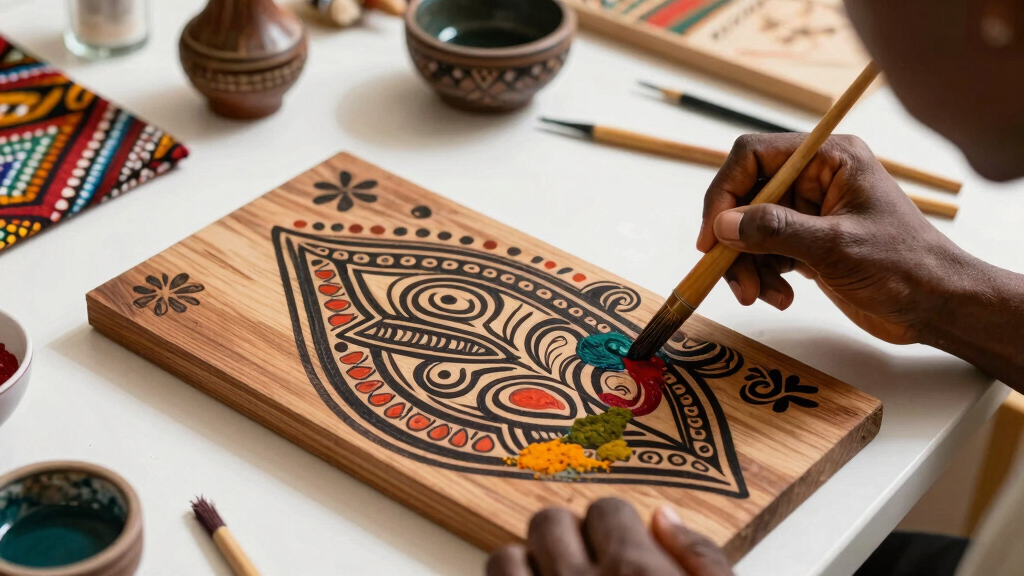
The exhibition Akinananti at White Cube in New York features Flores’ meticulously crafted works using organic dyes sourced from the Amazon, such as bark, leaves, and berries. Her patterns are rooted in the Shipibo-Konibo tradition, where geometric motifs symbolize cosmological beliefs and environmental interconnectedness. The works, some stretching several feet, are rendered on wild cotton canvas with handmade pigments, blending traditional techniques with contemporary presentation.
Flores, born in Tambomayo in 1950, learned Kené from her mother at age 14. Originally, the craft served functional purposes, such as textile garments, but Flores has evolved the tradition into standalone art pieces that reflect spiritual and cultural values. She now collaborates with her daughters, maintaining the technical and philosophical essence of Kené, which emphasizes reciprocity, collective well-being, and harmony with nature.
The exhibitions coincide with Flores’ participation in the Venice Biennale, where she is the first Indigenous artist to represent Peru at this event. Her work demonstrates the continuity of Shipibo-Konibo artistic practices and their adaptation into contemporary art forms, gaining recognition beyond their traditional contexts.
Cultural Preservation and Global Recognition of Shipibo-Konibo Art
Sara Flores’ exhibitions highlight the importance of preserving indigenous artistic traditions in a globalized art world. By elevating Kené patterns to the international stage, her work fosters greater awareness of Shipibo-Konibo culture and contributes to the broader recognition of Indigenous artists. This visibility can help sustain these practices amid pressures of cultural homogenization and commercialization, ensuring that ancestral knowledge continues to thrive and evolve.
The exhibitions also challenge stereotypes about indigenous art, presenting it as a sophisticated, contemporary practice that embodies complex cosmologies and environmental philosophies. Flores’ work exemplifies how traditional techniques can be reinterpreted to resonate with modern audiences, encouraging respect and understanding for Indigenous worldviews and cultural resilience.
As an affiliate, we earn on qualifying purchases.
Historical and Cultural Roots of Kené Patterns
The Shipibo-Konibo people have inhabited the Amazon basin around the Ucayali River for millennia, developing a visual culture deeply intertwined with their spiritual beliefs and environment. Their Kené patterns are geometric motifs derived from cosmological symbols, used historically in textiles, ceramics, and body painting. The craft is considered a communal practice rooted in reciprocity and mutual aid, with designs often created during ceremonies or communal work.
Despite their cultural significance, indigenous art forms like Kené have faced marginalization and undervaluation within national and international art institutions. Flores’ late recognition—her first exhibition at age 75—reflects longstanding biases against folk and indigenous art, which historically have been excluded from major museums. Her recent exhibitions mark a turning point in acknowledging the artistic and cultural value of Kené as an evolving contemporary art form.
In recent years, there has been increased interest in indigenous art globally, partly driven by movements for cultural rights and recognition. Flores’ participation in the Venice Biennale as Peru’s first Indigenous artist underscores this shift and the growing appreciation for indigenous perspectives in the contemporary art scene.
“Flores’ work exemplifies how traditional Kené patterns are not static but living expressions that adapt to contemporary contexts, maintaining their spiritual significance while engaging new audiences.”
— an anonymous researcher

Rit Dye – Liquid Fabric Dye for Crafting, Clothing, and Décor – 8 oz. Bottle – Black (Gloves Included)
- Easy to Use: Simple dyeing process with hot water and detergent
- Vibrant Color Selection: Over 30 bright, diverse colors available
- Creative Projects: Perfect for tie-dye, splatter, and custom designs
As an affiliate, we earn on qualifying purchases.
As an affiliate, we earn on qualifying purchases.
Unconfirmed Aspects of Indigenous Art Recognition
It is not yet clear how Flores’ exhibitions will influence the broader recognition and valuation of Kené patterns within the global art market. The long-term impact on indigenous cultural preservation and institutional acknowledgment remains uncertain, as does the extent of international engagement with Shipibo-Konibo traditions beyond these exhibitions.
As an affiliate, we earn on qualifying purchases.
Future Opportunities for Indigenous Art Visibility
Flores and her community are expected to continue showcasing their work in upcoming exhibitions and collaborations. Increased visibility may lead to more institutional support, funding, and educational initiatives aimed at preserving and revitalizing Kené patterns. Additionally, Flores’ participation in major events like the Venice Biennale could inspire other indigenous artists to gain recognition on international platforms.

Natural Earth Paint Pigment Sample Pack – 20 Non-Toxic, Archival Earth & Mineral Pigments for DIY Paint – Eco-Friendly, Sustainably Sourced Colors – No Fillers or Additives
- Number of Pigments: 20 natural earth and mineral pigments
- Eco-Friendly Sourcing: Sustainably sourced and non-toxic
- Versatile Use: Suitable for various DIY paints
As an affiliate, we earn on qualifying purchases.
As an affiliate, we earn on qualifying purchases.
Key Questions
What are Kené patterns and their significance?
Kené patterns are geometric motifs created by the Shipibo-Konibo people, representing cosmological symbols and environmental interconnectedness, traditionally used in textiles and body art.
Why is Sara Flores’ work important?
Her work preserves and elevates indigenous Shipibo-Konibo art, blending traditional techniques with contemporary expression, and brings global recognition to her culture.
How does Flores create her artwork?
She uses organic dyes sourced from Amazon plants, applying intricate geometric patterns onto wild cotton canvases, often collaborating with her daughters.
What impact might this have on indigenous art recognition?
It could increase visibility, support cultural preservation, and challenge stereotypes, encouraging broader acknowledgment of indigenous artists in major art institutions.
Source: rss