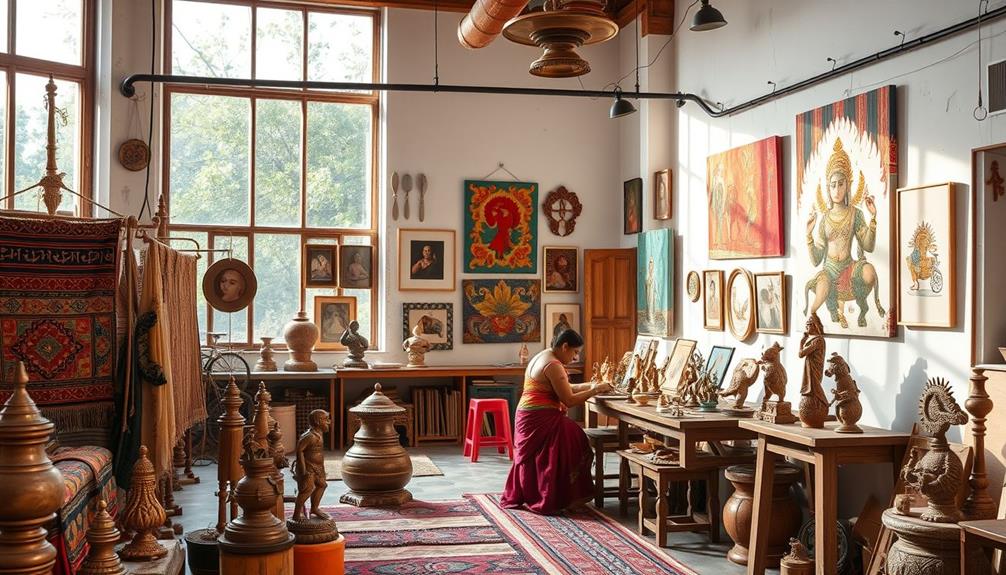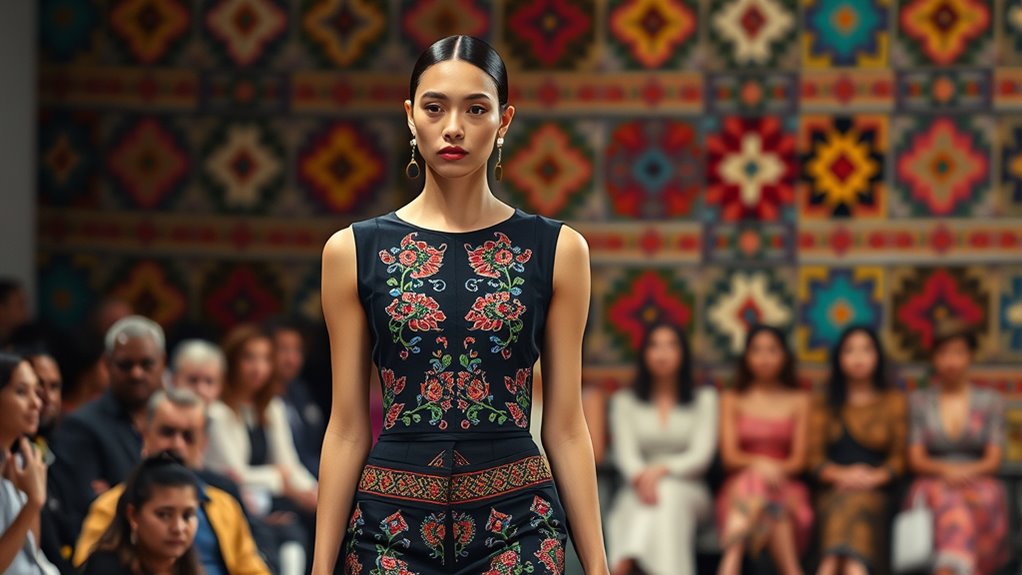

In contemporary fashion art, understanding the difference between cultural appropriation and appreciation is key. You show respect by researching cultural symbols, engaging with communities, and ensuring your designs honestly reflect their meaning. Avoid superficial use or stereotypes that can cause offense. When you approach other cultures with humility and a genuine desire to honor their heritage, you foster respect. If you’re curious about how to navigate these boundaries ethically, there’s more to explore.
Key Takeaways
- Cultural appreciation involves respectful understanding and acknowledgment of a culture’s symbols, history, and significance.
- Cultural appropriation often exploits or misrepresents cultural elements without context or permission.
- Ethical sourcing and engaging with cultural communities are essential for respectful homage in fashion art.
- The intention behind using cultural symbols determines whether it’s appreciation or appropriation.
- Genuine appreciation promotes inclusivity, respects cultural origins, and avoids harmful stereotypes or exploitation.
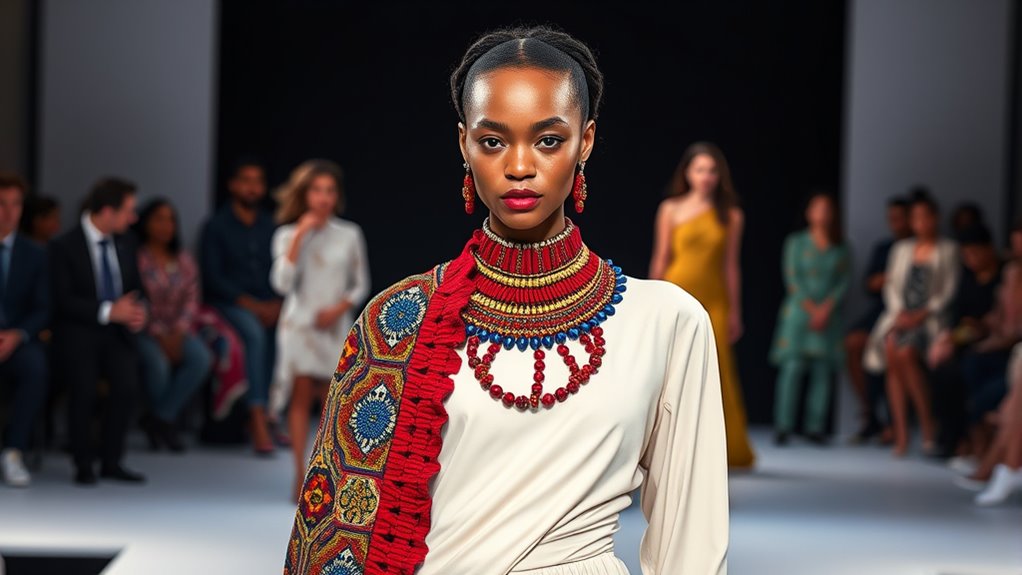
In the world of fashion art, the line between cultural appropriation and appreciation often becomes blurred, prompting important discussions about respect, intent, and influence. When you draw inspiration from diverse cultures, you need to approach it with cultural sensitivity. This means understanding the history, significance, and meaning behind the symbols, garments, or motifs you wish to incorporate. If you’re not careful, what seems like admiration can quickly cross into disrespect or misrepresentation. To avoid this, research thoroughly and engage with cultural communities where possible. This not only shows respect but enriches your perspective, helping you craft designs that honor their origins rather than distort or trivialize them.
Equally important is ethical sourcing. When you decide to use cultural elements—be it textiles, jewelry, or traditional techniques—ensure that your materials are obtained responsibly. Ethical sourcing involves working directly with artisans or communities, paying fair wages, and supporting sustainable practices. Doing so recognizes the value of the culture’s craftsmanship and prevents exploitation. It’s about creating a mutually beneficial relationship, where you’re not simply taking but also giving back. This approach fosters trust and promotes a genuine appreciation for the culture’s artistry, elevating your work beyond superficial trends. Incorporating ethical sourcing practices can also enhance your reputation as a responsible creator committed to cultural integrity.
Being culturally sensitive also calls for humility. Recognize that you might not have all the knowledge or context, and that’s okay. Approach your creative process with openness and a willingness to learn. If someone from that culture offers feedback or critique, listen carefully and consider their perspective. This demonstrates respect and a commitment to ethical engagement. Remember, appreciation is about celebrating the beauty and uniqueness of other cultures, not appropriating their symbols for personal gain or fashion statements. When you prioritize cultural sensitivity and ethical sourcing, your work becomes a meaningful homage rather than a misstep.
Understanding the importance of cultural context can help you better grasp the significance behind the elements you wish to incorporate, ensuring that your work aligns with the values and traditions of the culture. Additionally, understanding the concept of diverse designs helps ensure that your work reflects an authentic and respectful homage rather than superficial imitation. Incorporating a mindful approach can help you navigate complex cultural contexts and avoid unintentional harm. Remember, the difference between appropriation and appreciation lies in your intention and your approach. Respect the origins of what inspires you, and never treat cultural elements as mere trends. By practicing cultural sensitivity and committing to ethical sourcing, you ensure that your fashion art honors the richness of diverse cultures while avoiding harmful exploitation. This mindful approach not only elevates your designs but also fosters a more inclusive and respectful fashion landscape, where inspiration uplifts rather than diminishes.

Gin & Grace 14K Rose Gold Genuine Morganite Ring with Diamonds for women | Ethically, authentically & organically sourced (Emerald-cut) shaped Morganite hand-crafted jewelry for her | Morganite Ring for women
VALUE: Morganite was named after J.P. Morgan, one of the greatest financiers in history. Morganite is often associated…
As an affiliate, we earn on qualifying purchases.
As an affiliate, we earn on qualifying purchases.
Frequently Asked Questions
How Can Brands Ensure Respectful Cultural Exchanges in Fashion?
To guarantee respectful cultural exchanges, you should prioritize cultural sensitivity and seek ethical collaborations with community members. Engage genuinely with the culture’s history and significance, avoiding stereotypes or superficial uses. Consult with cultural experts, listen to their perspectives, and give credit where it’s due. By fostering open dialogue and respecting traditions, you create authentic partnerships that honor the culture while promoting responsible fashion practices.
What Role Do Social Media Platforms Play in Cultural Appreciation?
Imagine a viral trend where an influencer dons traditional attire, sparking admiration. Social media platforms amplify this cultural appreciation, spreading positive awareness and educating audiences about its significance. Your influence can foster respectful exchanges by highlighting authentic stories and origins. Viral trends and influencer impact shape perceptions, making social media a powerful tool for celebrating cultures when used responsibly, promoting understanding rather than misappropriation.
How Does Cultural Appropriation Impact Indigenous Communities?
You might not realize it, but cultural appropriation can harm Indigenous communities by undermining their sovereignty and cultural preservation. When outsiders take and use Indigenous symbols without permission, it often leads to misrepresentation and diminishes their identity. This impacts their ability to control their cultural expressions, weakening their sovereignty. Respecting Indigenous cultures helps support their ongoing efforts to preserve traditions, ensuring their voices remain central in cultural conversations.
Are There Legal Consequences for Cultural Appropriation in Fashion?
Ever wonder if there are legal consequences for cultural appropriation in fashion? While laws like intellectual property protect original designs, they often don’t cover cultural symbols or traditional attire. You need to contemplate cultural sensitivity, as misusing cultural elements can lead to lawsuits or damage your reputation. Are you prepared to navigate these legal and ethical boundaries? Respectful use helps avoid legal trouble and shows genuine appreciation, not exploitation.
How Can Consumers Identify Respectful Cultural Influences?
To identify respectful cultural influences, you should prioritize cultural sensitivity and ethical consumerism. Look for brands that openly credit and collaborate with cultural communities, showing genuine respect. Do your research on the origins of designs and avoid products that seem stereotypical or exploitative. Supporting authentic, transparent brands demonstrates your commitment to honoring cultural significance and promotes respectful appreciation rather than appropriation.

Tribe Azure Fair Trade Tibetan Embedded Yak Bone Medicine Wrist Mala Bracelet Meditation Healing Prayer Beads (Dark)
Embedded dark yak bone wrist mala/ bracelet for meditation. Each embedded yak bone beads measures approx. 7mm.
As an affiliate, we earn on qualifying purchases.
As an affiliate, we earn on qualifying purchases.
Conclusion
As you navigate the vibrant tapestry of fashion art, remember that every thread tells a story. Respect transforms mere fabric into a bridge between cultures, while appropriation risks unraveling those connections. Approach each design with the gentle touch of appreciation, like tending a delicate garden rather than plucking blooms without consent. When you choose understanding over appropriation, you weave a richer, more meaningful narrative—one that honors the roots and blossoms into true cultural harmony.
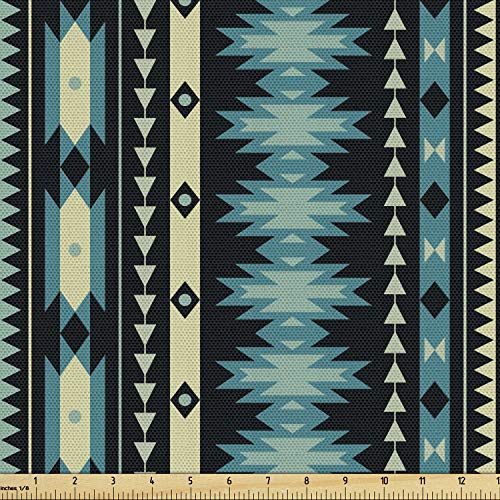
Lunarable Ethnic Fabric by The Yard, Antique Motifs Vertical Ikat Stripes Mayan Cultural Heritage Tradition and Art, Decorative Fabric for Upholstery and Home Accents, 3 Yards, Beige Black
LENGTH: 108" (3 yards) & WIDTH: 58". 100% Polyester medium weight, tight woven Turkish dock fabric.
As an affiliate, we earn on qualifying purchases.
As an affiliate, we earn on qualifying purchases.
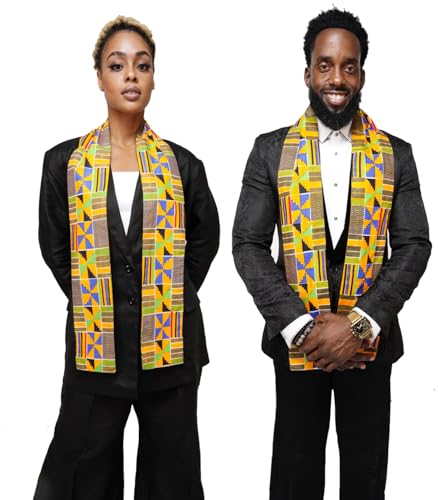
Dupsie's 1pc Kente African Print Graduation Stole, Made in Africa Black History, Festivals, Cultural, HBCU, Graduate, Schools
Size: 70 inches long by 5.5 inches wide
As an affiliate, we earn on qualifying purchases.
As an affiliate, we earn on qualifying purchases.