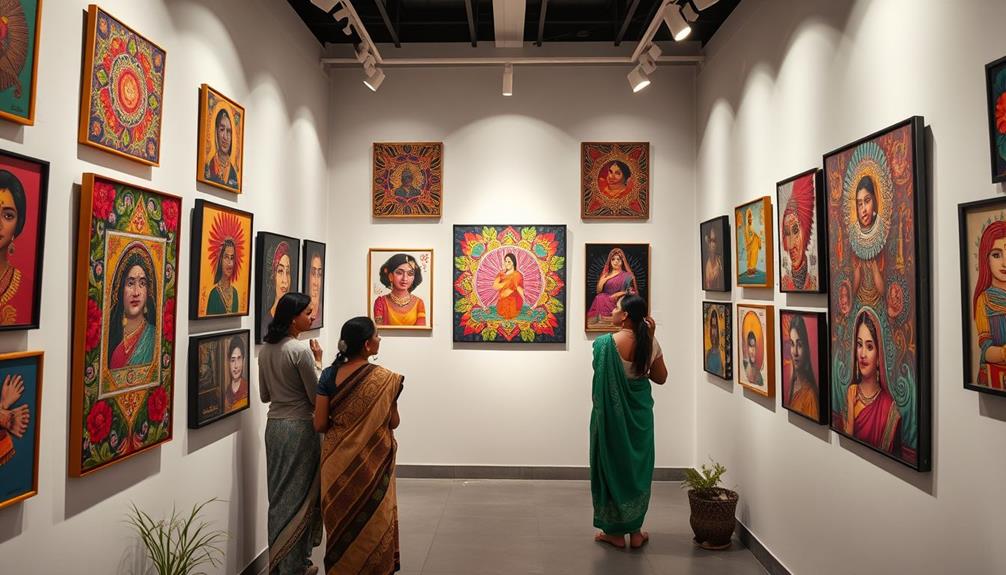

Cultural appreciation involves respecting and understanding a culture’s symbols, practices, and history, often seeking permission and giving credit. Cultural appropriation, however, occurs when you adopt cultural elements without awareness or sensitivity, potentially reinforcing stereotypes or exploiting communities. To stay respectful, think about the origins and significance of what inspires you, consult community voices if possible, and focus on honoring traditions with humility. If you want to explore how to do this thoughtfully, there’s more to consider ahead.
Key Takeaways
- Cultural appreciation involves respectful acknowledgment and understanding of a culture’s significance, while appropriation often lacks context and sensitivity.
- Appropriation can commodify or stereotype cultural symbols, whereas appreciation seeks to honor and accurately represent cultural traditions.
- Respectful engagement requires research, credit, and consultation with community members to avoid misrepresentation.
- Appreciation promotes cultural diversity and dialogue, whereas appropriation may perpetuate power imbalances and cultural insensitivity.
- Recognizing the difference helps artists create meaningful, respectful work that celebrates rather than exploits cultural elements.

Understanding the line between cultural appropriation and appreciation in art can be challenging, especially as artists draw inspiration from diverse traditions. When you explore different cultures through your work, it’s crucial to recognize how your artistic influence might be perceived. Cultural sensitivity isn’t just about avoiding offense; it’s about respecting the origins and significance of the symbols, practices, and styles you incorporate. If you’re aware of the cultural context behind certain elements, you can make more conscious decisions about how to engage with them thoughtfully.
Respect cultural origins and significance to foster genuine appreciation in art.
Many artists find themselves inspired by traditions outside their own, and that’s natural. Inspiration can lead to innovative creations that celebrate cultural diversity. However, without careful consideration, this influence can slip into cultural appropriation—using elements in a way that strips them of their meaning or reduces them to mere aesthetics. To avoid this, you should research the cultural backgrounds of what you’re inspired by. Understand their history, significance, and who has the authority to represent them authentically. This knowledge helps you distinguish respectful appreciation from superficial adoption.
Practicing cultural sensitivity involves asking yourself key questions: Are you honoring the culture or appropriating it? Are you giving credit where it’s due? Are you aware of power dynamics that might be at play? When your work is influenced by a culture you don’t belong to, it’s wise to seek input from members of that community or consult experts. This collaborative approach not only enriches your perspective but also demonstrates genuine respect and acknowledgment of the culture’s depth. It’s about approaching your art with humility and a desire to learn, rather than just taking symbols or motifs for visual appeal.
Your artistic influence should aim to foster understanding and respect, rather than perpetuate stereotypes or commodify cultural symbols. Be mindful of how your work might be received by the communities you’re inspired by. If you’re unsure, err on the side of caution and seek feedback. Sharing your intentions transparently can also help in creating dialogue that promotes cultural appreciation rather than appropriation. Additionally, understanding cultural elements in art can help you navigate the complex relationship between inspiration and respect. Ultimately, integrating cultural sensitivity into your creative process allows you to honor the richness of diverse traditions while creating meaningful, respectful art.
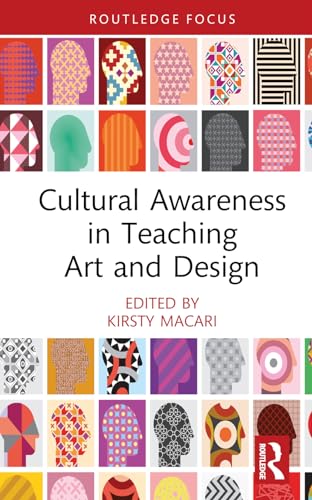
Cultural Awareness in Teaching Art and Design (Routledge Focus on Design Pedagogy)
As an affiliate, we earn on qualifying purchases.
As an affiliate, we earn on qualifying purchases.
Frequently Asked Questions
How Can Artists Respectfully Incorporate Diverse Cultural Elements?
You can respectfully incorporate diverse cultural elements by practicing cultural sensitivity and researching their origins thoroughly. Engage with community members or cultural experts to understand the significance behind symbols or practices. Guarantee your work maintains artistic integrity by avoiding stereotypes or misrepresentation. By approaching with respect, openness, and acknowledgment of the culture’s value, you create meaningful art that honors and celebrates diversity without exploitation.
What Are Examples of Successful Cultural Appreciation in Art?
Did you know that nearly 60% of successful artistic collaborations involve genuine cultural exchange? You see, examples like the collaboration between Jean-Michel Basquiat and African artists showcase respectful cultural appreciation. These projects foster mutual understanding and celebrate diversity. When artists engage in authentic artistic collaboration, they honor traditions while creating meaningful, innovative work, demonstrating how cultural appreciation can enrich the art world without crossing into appropriation.
How Does Cultural Context Influence Perceptions of Appropriation?
You see that cultural context shapes how you perceive appropriation by highlighting the importance of authentic representation and cultural sensitivity. If an artist respects the origins and meaning behind cultural symbols, you’re more likely to view their work as appreciation. Conversely, ignoring these aspects can make you see their actions as appropriation. Your perception depends on whether the creator honors the cultural significance and approaches it with genuine respect.
Can Cultural Exchange Lead to Harmful Stereotypes?
A cultural exchange can unintentionally foster stereotype reinforcement and cultural misrepresentation, causing hurt feelings and misunderstandings. When you share or adopt elements without understanding their significance, you risk simplifying or distorting their true meaning. This can perpetuate negative assumptions and diminish the richness of the original culture. Be mindful and respectful, ensuring your appreciation promotes genuine understanding rather than perpetuating harmful stereotypes.
What Role Do Community Voices Play in Defining Respectful Art?
Community voices play a crucial role in defining respectful art by providing feedback that highlights cultural sensitivities and ethical considerations. When you listen to these perspectives, you guarantee that your work honors the community’s values and avoids stereotypes. Engaging with community feedback helps you create art that is inclusive and respectful, fostering understanding rather than perpetuating harm. Your openness to dialogue demonstrates a genuine commitment to ethical artistic expression.

Signs and Symbols: An Illustrated Guide to Their Origins and Meanings (DK Compact Culture Guides)
As an affiliate, we earn on qualifying purchases.
As an affiliate, we earn on qualifying purchases.
Conclusion
Remember, art thrives when it respects its roots. Appropriation can cross boundaries, causing harm, while appreciation celebrates diversity. Think of it like planting a garden: if you respect each flower’s space and origin, it blooms beautifully. But if you take without understanding, the garden suffers. Always ask yourself if your actions honor or exploit. As the saying goes, “You reap what you sow.” When you approach art with respect, it flourishes for everyone.

Pop Painting: Inspiration and Techniques from the Pop Surrealism Art Phenomenon
As an affiliate, we earn on qualifying purchases.
As an affiliate, we earn on qualifying purchases.

Cross Cultural Sensitivity A Complete Guide
As an affiliate, we earn on qualifying purchases.
As an affiliate, we earn on qualifying purchases.