In impressionist paintings, light is essential because it captures fleeting moments and brings scenes to life with vibrant color effects. You’ll notice how light interacts with objects, changing hues and creating a dynamic atmosphere. It also influences depth, making distant elements softer and hazy. Artists use light’s play to evoke mood and realism, transforming ordinary scenes into immersive visual experiences. Keep exploring, and you’ll uncover how light reveals the true essence of impressionist artistry.
Key Takeaways
- Light in Impressionism captures fleeting moments, emphasizing immediacy and the transient qualities of natural illumination.
- Artists use light to influence color effects, creating vibrant and dynamic scenes that reflect real-life conditions.
- The interaction of light and color enhances depth through atmospheric perspective, with distant objects appearing softer and hazier.
- Techniques like light diffusion and luminous colors evoke mood, atmosphere, and realism in the painting.
- Variations in light and color temperature convey specific feelings, emphasizing the ephemeral beauty of a moment.
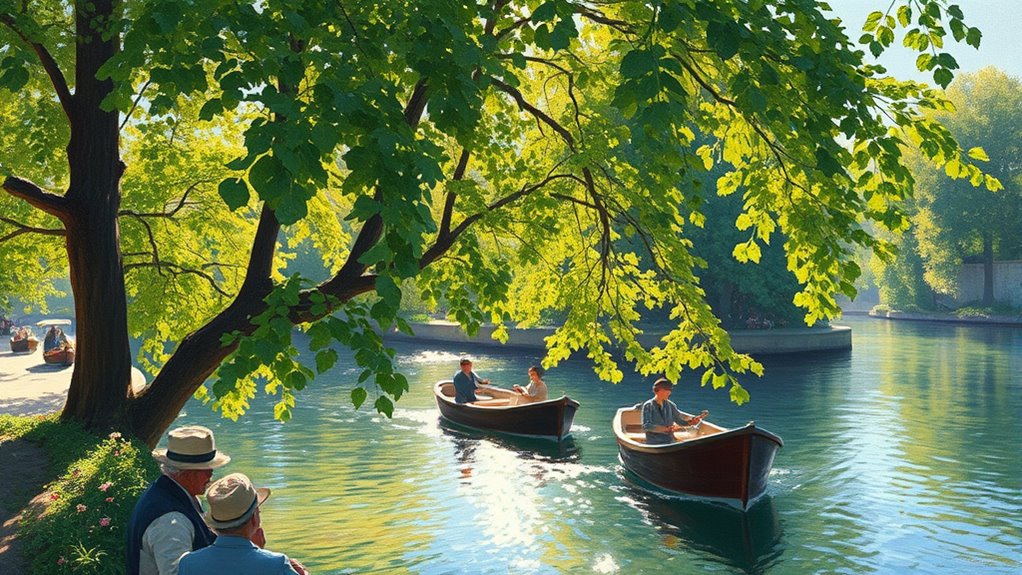
Impressionist paintings are renowned for their vibrant portrayal of light, capturing fleeting moments of natural illumination with remarkable immediacy. When you look at these artworks, you notice how the play of light transforms ordinary scenes into something extraordinary, emphasizing the transient qualities of a moment. Light doesn’t just illuminate the scene; it creates dynamic color effects that breathe life into the canvas. By observing how light interacts with objects, you see a spectrum of shimmering hues—blues, pinks, yellows—that shift with the changing conditions of time and weather. This emphasis on capturing natural light allows you to experience the scene as if you’re right there, witnessing the scene’s ephemeral beauty.
In these paintings, atmospheric perspective plays a vital role in conveying depth and mood. You’ll notice how distant objects appear softer, often hazy, with their colors muted or blended into the background. This technique mimics how the atmosphere influences what you see, making distant landscapes seem to recede into the mist or haze. As you scan a typical Impressionist landscape, you observe the way light diffuses through the air, creating a sense of spatial depth. The lighter, more luminous colors in the foreground contrast with the more subdued tones in the background, guiding your eye through the scene naturally. You’re invited to not only view the image but to step into the scene, feeling the ambient light and atmospheric conditions that shape each moment. Understanding light interaction enhances your appreciation of how these artists captured such fleeting effects with their techniques. Recognizing how color effects are used to depict light further deepens your connection to the artwork, making the experience more immersive. Additionally, the use of color temperature adjustments contributes to the overall mood and realism of the scene, allowing viewers to feel the warmth or coolness of the environment. Exploring light and color interplay reveals the mastery behind the Impressionists’ ability to capture the essence of a moment’s atmosphere.

InSimSea Framed Canvas Wall Art, Vintage Pine Landscape Art for Living Room Hallway Shelf, 10x8in, Impressionist Pastoral Painting, Rustic Farmhouse Cozy Mid Century Small Nature Decor
Detailed Art & Core Value: This impressionist oil painting captures a sun-drenched coastal pine grove, with dappled light…
As an affiliate, we earn on qualifying purchases.
As an affiliate, we earn on qualifying purchases.
Frequently Asked Questions
How Did Impressionists Study Natural Light Variations?
You observe how impressionists studied natural light variations by paying close attention to light reflection and shadow play. They often painted outdoors, capturing changing sunlight and how it affected colors and shapes. By quickly sketching and using vibrant, loose brushstrokes, you can see how they explored the effects of different times of day and weather conditions, making their work lively and true to real-life light behavior.
What Techniques Did Impressionists Use to Capture Changing Light?
You notice that impressionists used bold brushwork techniques and quick, loose strokes to capture fleeting light effects. They favored color blending methods that layered and mixed colors directly on the canvas, creating vibrant, shimmering surfaces. By applying these techniques, you can mimic their approach to capturing changing light, making your paintings feel lively and dynamic. This approach emphasizes spontaneity and the natural variations of light in your artwork.
Did Light Influence the Choice of Colors in Impressionist Paintings?
Yes, light considerably influences your choice of colors in impressionist paintings. You notice how changing light affects color perception, prompting you to select brighter, more vibrant hues to capture the scene’s mood. This reflects artistic innovation, as impressionists experiment with color to depict natural light’s effects. You embrace this approach, using color to communicate fleeting moments and the atmosphere, making your paintings lively and true to real-life experiences.
How Does Light Affect the Mood of Impressionist Artworks?
You might think impressionist paintings are all about pretty colors, but light actually sets the emotional tone. It influences your mood by highlighting color symbolism, making scenes feel lively, calm, or fleeting. When light dances across the canvas, it amplifies the emotional impact, turning a simple moment into a vivid experience. So, next time you see these artworks, remember it’s light shaping your feelings just as much as the colors themselves.
Are There Specific Times of Day That Inspired Impressionist Painters?
You might notice that impressionist painters often captured scenes during specific times of day, like sunrise for its symbolism of new beginnings or evening for its warm, calming ambiance. These moments inspired them because the unique light creates vibrant colors and fleeting effects. By painting at these times, artists emphasize the beauty of natural light and its changing qualities, making each piece feel alive and immediate.
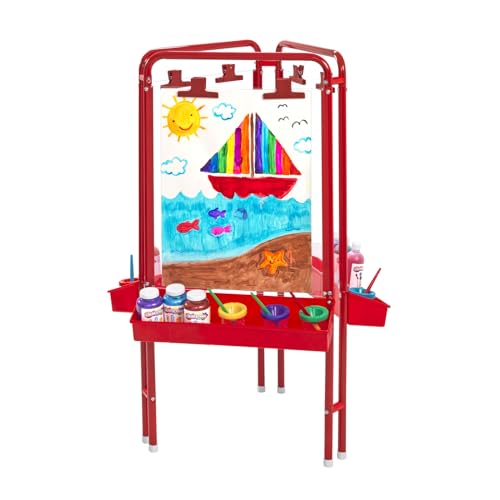
Colorations 3-Way Indoor/Outdoor Acrylic Panel Easel, Outdoor Play, Drawing, Adjustable , Art and Craft Painting
STURDY DESIGN: Colorations 3-way easel is constructed with a non-rust metal powder-coated frame for durability, with a sturdy…
As an affiliate, we earn on qualifying purchases.
As an affiliate, we earn on qualifying purchases.
Conclusion
You now see how light dances across Impressionist paintings like sunlight filtering through leaves. It shapes colors, creates movement, and captures fleeting moments with vibrant energy. By understanding light’s role, you can appreciate how these artists brought scenes to life, making them feel alive and immediate—like a sunrise that awakens your senses. When you observe these works, remember that light is the artist’s brush, painting emotion and atmosphere onto every canvas.

Magic Palette Color Mixing Guide 11.5 Inch
Please__contact us to solve the problem w/ name: The Color Wheel 5324CW Magic Palette Personal Mixing Guide New…
As an affiliate, we earn on qualifying purchases.
As an affiliate, we earn on qualifying purchases.

Daylight Artist Studio Lamp 2-6,000 Lux LED with 95+ CRI, 24cm Wide Shade
PRECISION ILLUMINATION: The Artist Studio Lamp 2 is equipped with Daylight's cutting-edge 6,000K LEDs, boasting an exceptional 95+…
As an affiliate, we earn on qualifying purchases.
As an affiliate, we earn on qualifying purchases.