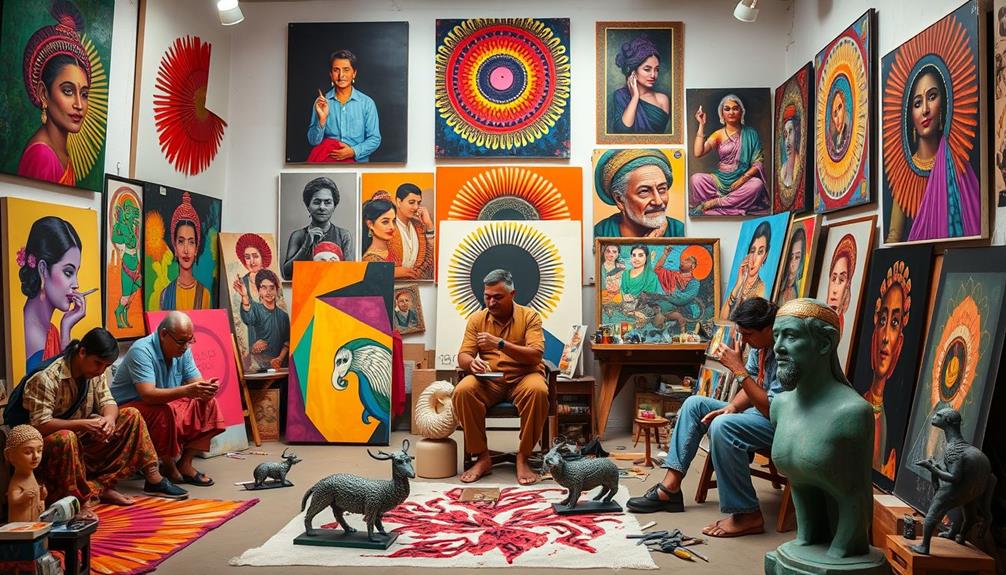
Textile arts play a essential role in expressing cultural identities, stories, and beliefs. Through patterns, colors, and motifs, they communicate community values and symbolize spiritual or social meanings. These crafts often involve collective effort, passing traditions from elders to younger generations, and strengthen community bonds. Each piece acts as a living record of cultural history and evolution. If you explore further, you’ll discover how these fascinating textiles preserve and celebrate unique cultural stories worldwide.
Key Takeaways
- Textile arts serve as visual narratives that reflect cultural identity, beliefs, and social values.
- Patterns, motifs, and colors in textiles hold symbolic meanings, often conveying spiritual or community messages.
- Crafting textiles fosters community bonds and ensures the transmission of traditional techniques across generations.
- They act as cultural records, encapsulating stories, histories, and the worldview of specific communities or tribes.
- The evolution of textile techniques demonstrates innovation while preserving cultural heritage over time.
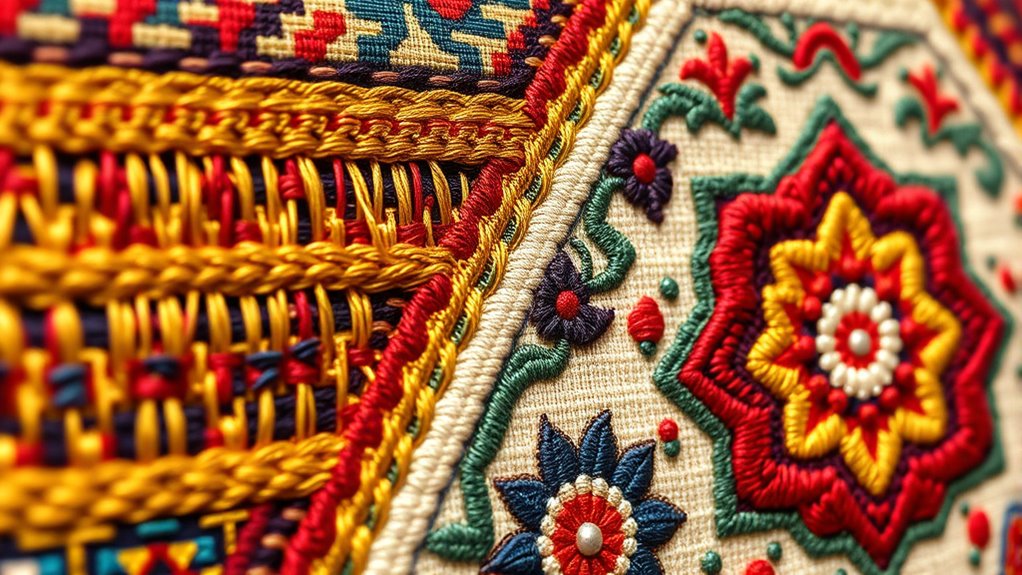
Textile arts hold an essential place in human history because they combine practical skill with creative expression, reflecting cultural identity and social values. As you explore these crafts, you’ll notice how they serve not just functional purposes but also act as visual narratives of cultural symbolism. Over time, the technique evolution within textile arts reveals a fascinating journey of innovation and adaptation. You might see how ancient weaving methods gave way to more complex techniques, such as embroidery, dyeing, and quilting, each adding layers of meaning and craftsmanship. These advancements weren’t random; they often responded to environmental challenges, technological discoveries, and societal shifts. For example, the shift from simple thread-dyeing to intricate tie-dye or batik methods highlights how artisans pushed boundaries, blending functionality with artistic expression. This technique evolution is a testament to human ingenuity, allowing cultures to preserve traditions while embracing new influences.
At the same time, textile arts serve as powerful carriers of cultural symbolism. Every pattern, color, and motif can hold specific significance, representing beliefs, social status, or historical events. When you observe traditional textiles, you see more than just decorative elements—you see stories woven into fabric. In many cultures, certain symbols are believed to ward off evil, bring good luck, or honor ancestors. For instance, the intricate patterns in Native American weaving often symbolize spiritual beliefs or tribal identity. Similarly, in African textiles, bold geometric designs are imbued with symbolism related to community, power, or rites of passage. These textiles act as visual languages, communicating values across generations. They also reinforce community bonds, as crafting these textiles often involves collective effort, passing down techniques and meanings from elders to younger artisans.
Understanding the cultural symbolism embedded in textile arts deepens your appreciation of their significance. It’s not just about the beauty or skill involved but about the stories, histories, and identities they encapsulate. As you study different textile traditions, you’ll see how techniques have evolved, blending old and new, while maintaining their cultural essence. Whether it’s a handwoven rug, embroidered garment, or dyed fabric, each piece reflects a community’s history and worldview. So, as you engage with textile arts, recognize how they serve as a living record—an ongoing dialogue between tradition and innovation—making them crucial to understanding human culture across time.
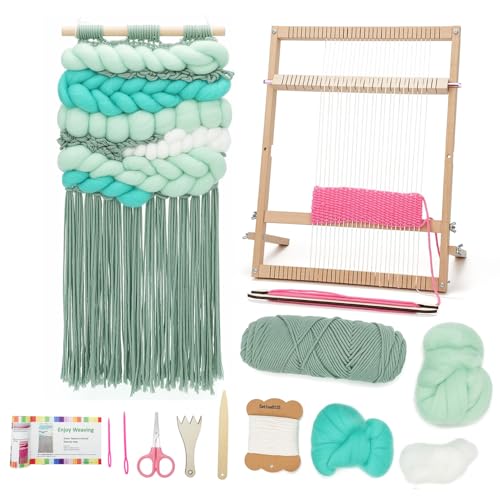
Weaving Loom for Beginners Adults/Kids and 1 Set of Weaving Works Complete Yarn Kit with Detailed Friendly Instructions, Parents and Children in The Holiday Experience Weaving Brings Fun Green
Enjoyable weaving time🕕🕕 suitable for creative crafts, help hand-eye coordination, exercise weaving knitting skills, let you creative imagination,...
As an affiliate, we earn on qualifying purchases.
Frequently Asked Questions
How Do Textile Arts Influence Modern Fashion Trends?
Textile arts influence modern fashion trends by driving fashion innovation and expressing cultural identity. You see designers incorporate traditional patterns and techniques, blending them with contemporary styles to create unique looks. This fusion celebrates diverse cultural backgrounds while inspiring fresh trends. As a result, textile arts help shape fashion’s evolution, making it more inclusive and rich with historical significance, allowing you to connect with different cultures through the clothes you wear.
What Are the Environmental Impacts of Textile Production?
Imagine a factory that uses sustainable dyeing methods and focuses on waste reduction. You’d see a significant decrease in water pollution and chemical runoff, which are common environmental impacts of textile production. These eco-friendly practices help reduce the industry’s carbon footprint and conserve resources. By adopting sustainable dyeing and waste reduction strategies, you can lessen environmental harm, making textile production more eco-conscious and sustainable for future generations.
How Do Textile Arts Vary Across Different Cultures?
You’ll notice that textile arts vary widely across cultures, showcasing traditional motifs and regional techniques. For example, Japanese kimonos feature intricate embroidery, while African textiles often highlight bold geometric patterns. These differences reflect each culture’s history, beliefs, and environment. By exploring these unique styles, you gain insight into their cultural identity and values, making textile arts a vibrant expression of community and tradition worldwide.
What Are the Economic Benefits of Preserving Textile Traditions?
Imagine if your favorite vintage band’s memorabilia vanished—now, think of textile traditions fading away. Preserving these crafts boosts economic development by creating jobs and attracting tourism. It also promotes cultural preservation, strengthening community identity and pride. When you support traditional textile arts, you help sustain local economies and pass down invaluable heritage, ensuring future generations can enjoy the rich stories woven into every fabric.
How Can Textile Arts Be Used in Contemporary Interior Design?
You can incorporate textile arts into contemporary interior design by using fiber art pieces as focal points or wall hangings to add texture and color. Consider creating textile installations that transform a space and evoke emotion. By blending traditional techniques with modern aesthetics, you bring a unique, personalized touch to your environment. This approach not only enhances visual appeal but also celebrates cultural craftsmanship in your everyday space.

PIRXXIY 12 Inch Wooden Weaving Loom Kit for Adults Beginners, Multi-Craft Frame Loom with Rigid Heddle Shed Stick & Yarn Stand, Portable Warping Threads Loom with Adjustable Pegs and Weaving Tools
【Intuitive Wooden Weaving Frame】Crafted from premium birch wood, this wooden weaving loom features numbered pegs and a rigid...
As an affiliate, we earn on qualifying purchases.
Conclusion
You see, textile arts aren’t just threads and fabrics; they’re timeless treasures telling tales of tradition, identity, and artistry. By embracing these beautiful, bold, and brilliant practices, you preserve cultural patrimony and promote personal pride. So, step into the story, celebrate the skill, and sustain the soul of textile arts. Keep the craft mesmerizing, community connected, and culture countless, because your involvement makes these meaningful masterpieces meaningful for many more generations.

WILLOWDALE 25.2" H x 19.3" W Weaving Loom with Stand Wooden Multi-Craft Weaving Loom Arts & Crafts, Extra-Large Frame, Develops Creativity Weaving Frame Loom with Stand for Beginner
Exquisite Workmanship --- The smooth and flat grooves help prevent damage to your hands, ensuring safer use while...
As an affiliate, we earn on qualifying purchases.

FOCCTS Wooden Multi-Craft Weaving Loom Large Frame 9.84 x 15.35 x 1.3inch, Tapestry Loom Wooden Weaving Loom Creative DIY Weaving Art for Kids, Beginners and Expertsrt
[ Wide Application ] - Wooden weaving loom for adults is based on the traditional weave ways to...
As an affiliate, we earn on qualifying purchases.