To build an art collection on a budget, focus on emerging artists and attend affordable art fairs where you can find unique pieces at lower prices. Follow social media and newsletters to stay updated on new talent and events. Engage with artists and galleries to negotiate prices and support rising talent directly. With strategic choices and ongoing research, you can create a meaningful collection without overspending—keep exploring for more tips to grow your collection smartly.
Key Takeaways
- Focus on emerging artists and affordable art fairs to access unique pieces at lower prices.
- Follow social media and newsletters for updates on new artists and budget-friendly events.
- Engage directly with artists and galleries to negotiate prices and learn about available works.
- Build connections with emerging talent to support their careers and discover future investment opportunities.
- Develop personal preferences and research art valuation and history to make informed, strategic purchases.
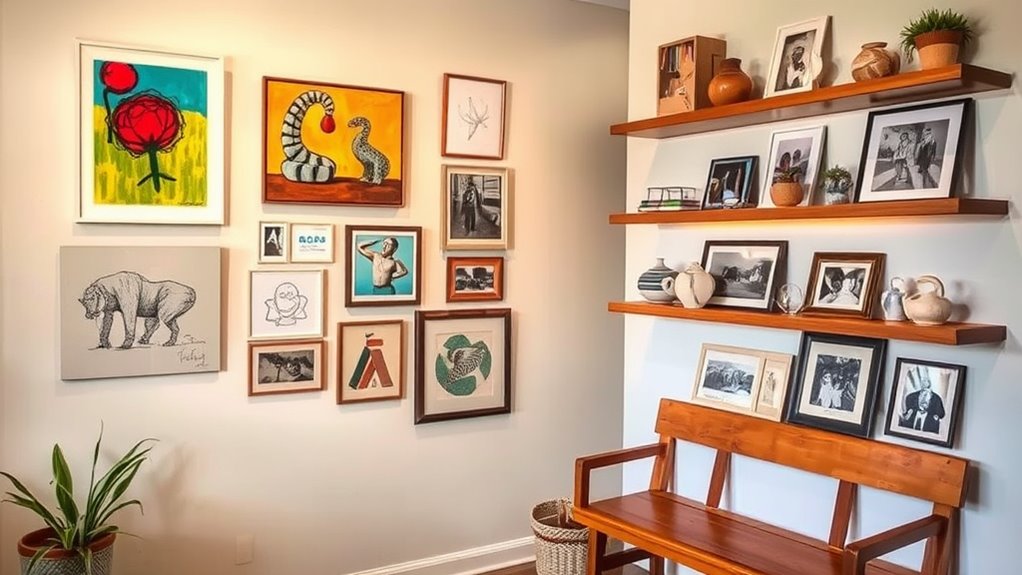
Starting an art collection doesn’t have to break the bank. In fact, you can begin collecting art by focusing on emerging artists and taking advantage of affordable art fairs. These options make it easier to acquire quality pieces without overspending, giving you the opportunity to build a diverse and meaningful collection over time. Emerging artists often sell their work at lower prices, especially early in their careers, which allows you to invest in fresh, innovative art without a hefty price tag. Keep an eye on local galleries, art school exhibitions, and online platforms that highlight new talent. Many emerging artists are enthusiastic to sell their work directly to collectors, bypassing traditional gallery commissions, so you can often negotiate better prices. Plus, supporting emerging artists helps foster their careers and brings unique, original pieces into your collection that aren’t widely available. Additionally, understanding color accuracy and how it impacts image quality can help you appreciate the details and nuances in artwork, especially when viewing pieces in different lighting conditions. To deepen your appreciation, researching art valuation can give you better insight into the potential future value of pieces you acquire. Affordable art fairs are another excellent resource. These events gather a variety of galleries and artists under one roof, often offering works at more accessible prices compared to high-end, established art fairs. You can browse a wide range of styles and mediums, discovering pieces that resonate with your taste and budget. Attending these fairs also allows you to speak directly with artists and gallery owners, gaining insight into the work and potentially negotiating prices. Many affordable art fairs are specifically designed for new collectors or those looking for less expensive options, which means you’re less likely to feel overwhelmed or pressured into buying at inflated prices. They’re perfect for dipping your toes into the collecting world without a significant financial commitment. To make the most of these opportunities, do some research beforehand. Follow social media accounts of emerging artists and galleries that focus on affordable art fairs. Subscribe to newsletters or join mailing lists to stay informed about upcoming events and new talent. When you visit art fairs or galleries, don’t be shy about asking questions and expressing your interest in affordable pieces. Remember, many artists and dealers want to make sales and are willing to work within your budget if you show genuine enthusiasm. Building a collection also benefits from understanding art history, so you can recognize important styles and movements that may increase the value and significance of your pieces over time. Over time, as you learn what styles and artists you prefer, you’ll develop a more curated collection that reflects your personal taste without straining your finances. Building an art collection on a budget is about smart choices, supporting rising talent, and seizing opportunities like affordable art fairs that make collecting accessible and enjoyable.

TRAMIN 50 Pcs Eclectic Wall Decor, Maximalist Decor, Colorful Wall Art, Eclectic Gallery Wall Prints Collage Kit, Famous Artist Paintings for Home (4×6 Inch)
Vibrant Eclectic Home Decor Style: Revamp your space with our varied selection, perfect for achieving a maximalist wall…
As an affiliate, we earn on qualifying purchases.
As an affiliate, we earn on qualifying purchases.
Frequently Asked Questions
How Do I Authenticate Affordable Artwork?
To verify affordable artwork, start by researching provenance verification, which traces the item’s history and ownership. You can also use authentication services, where experts examine the piece for signs of authenticity. Be cautious of forgeries or misattributions, and always ask for certificates of authenticity when possible. Doing thorough due diligence helps ensure you’re investing in genuine art, even on a budget, giving you confidence in your collection.
What Are Emerging Artists Worth Investing In?
Oh, definitely invest in emerging artists—because who doesn’t love riding the wave of emerging trends? You’ll find these artists through collaborations, social media buzz, or art shows, making it almost too easy. Their work may seem uncertain, but that’s part of the thrill. Keep an eye out for fresh talent, follow artist collaborations, and remember, today’s unknown could be tomorrow’s art star—if you’re lucky.
How Can I Identify Genuine Art at Low Prices?
To identify genuine art at low prices, look for artists with distinctive styles that resonate with you, and do some provenance research to verify authenticity. Check for clear documentation, exhibition history, and gallery representations. Trust your instincts, but also seek expert opinions when possible. By focusing on artistic styles and thoroughly researching provenance, you can confidently spot authentic pieces that fit your budget.
Are Online Galleries Reliable for Budget Art?
Online galleries are like a window into a world of art, but their reliability varies. You should research each platform carefully, checking reviews and authenticity. Attending art fairs and gallery exhibitions in person helps you verify the quality and legitimacy of pieces. While online galleries can be convenient for budget art, always cross-reference with trusted sources to guarantee you’re making a genuine purchase.
How Do I Negotiate Prices With Sellers?
When negotiating prices with sellers, you should start with solid negotiation tactics like politely asking for discounts or bundled deals. Do a price comparison to guarantee you’re not overpaying, and be confident in your offers. Express genuine interest but stay firm on your budget. Remember, sellers often expect some haggling, so don’t be afraid to negotiate to get the best deal possible.
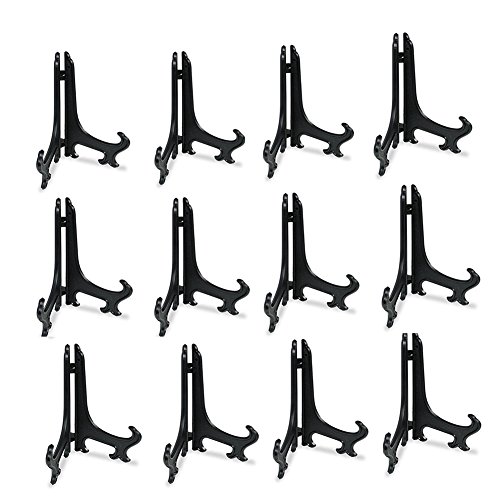
Artliving 4 Inch Black 12pcs/Set Plastic Easels Plate Display Stands Picture Frame Stand Holder
Sleek and Functional – Crafted from premium sturdy plastic, these easel stands are ideal for light items like…
As an affiliate, we earn on qualifying purchases.
As an affiliate, we earn on qualifying purchases.
Conclusion
Starting your art collection on a budget is entirely possible with patience and smart choices. Remember, every piece you acquire tells your story and reflects your unique taste. As you browse galleries, online platforms, or local shows, ask yourself: what masterpiece will inspire you every day? With a little research and a keen eye, you’ll build a collection that’s meaningful and uniquely yours. Are you ready to turn your walls into a vibrant gallery of your life?

Valuation: The Art and Science of Corporate Investment Decisions (The Pearson Series in Finance)
As an affiliate, we earn on qualifying purchases.
As an affiliate, we earn on qualifying purchases.

Your Next Five Moves: Master the Art of Business Strategy
As an affiliate, we earn on qualifying purchases.
As an affiliate, we earn on qualifying purchases.