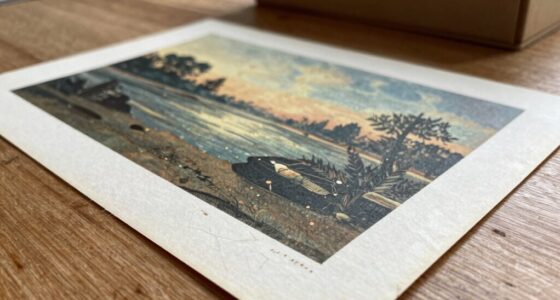
To prevent your prints from curling, cracking, or yellowing, store them flat in acid-free sleeves or backing boards within archival boxes or portfolios. Keep the environment stable with low humidity and a cool, dark space, away from direct sunlight and heat sources. Handle prints carefully with gloves or clean hands to avoid damage. Regularly check for signs of deterioration. Keep exploring for more tips to preserve your prints long-term.
Key Takeaways
- Store prints flat in acid-free, lignin-free storage materials like folders, sleeves, or archival boxes to prevent curling and warping.
- Maintain a stable environment with controlled temperature (40-50%) and low humidity to prevent cracking and yellowing.
- Use UV-protective glass or acrylic when framing to shield prints from light-induced fading and discoloration.
- Handle prints carefully with gloves or clean hands, supporting edges to avoid surface damage and deformation.
- Regularly inspect stored prints for signs of deterioration, mold, or pests, and adjust storage conditions as needed.
Why Proper Storage Is Essential for Your Prints
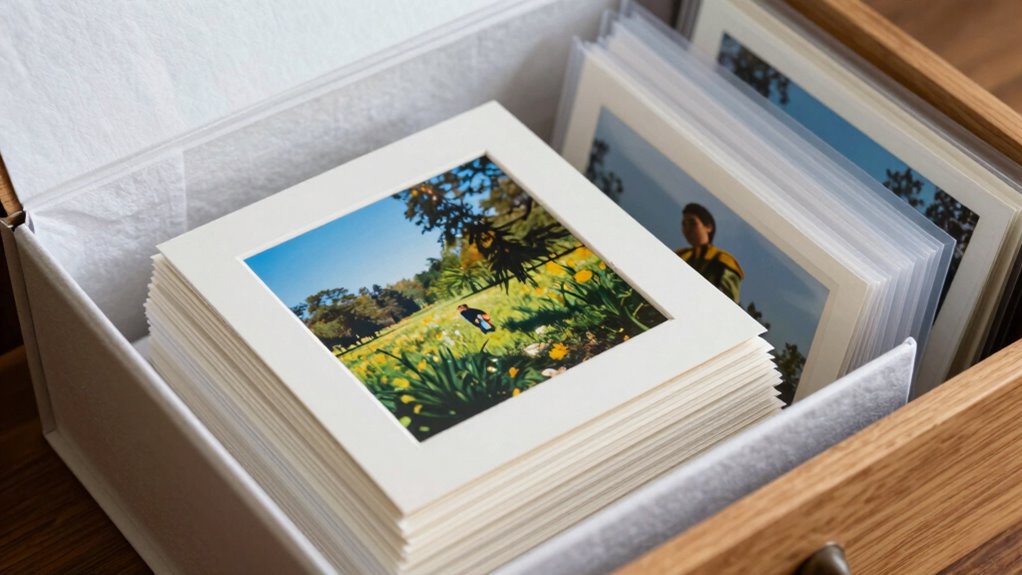
Proper storage is essential because it directly affects the longevity and appearance of your prints. Using protective coatings can shield your artwork from environmental damage, such as moisture and pollutants, helping maintain its original quality. Choosing the right storage containers is equally important; acid-free, archival-quality boxes or sleeves prevent chemical reactions that cause yellowing or deterioration. Proper storage not only preserves your prints’ visual integrity but also prevents physical issues like curling or cracking. When you invest in protective coatings, you add an extra layer of defense against scratches and fingerprints. Storing your prints in suitable containers ensures they remain flat, clean, and protected over time. Implementing proper storage techniques is crucial for preventing damage caused by environmental factors and handling. Good storage practices are key to enjoying your prints for years to come without loss of detail or color.
Choosing Archival Materials to Protect Your Prints

Choosing Archival Materials to Protect Your Prints
Choosing the right archival materials is a key step in guaranteeing your prints stay in pristine condition over time. Using quality materials helps prevent deterioration and supports effective conservation techniques. When selecting supplies, consider these essential items:
- Acid-free matboards and backing boards to prevent yellowing and acid migration.
- Archival-quality sleeves or folders that offer physical protection without trapping moisture.
- Acid-free tissue paper to separate prints and avoid surface abrasion.
- UV-protective glass or acrylic for display methods, reducing light damage.
Additionally, selecting sustainable printmaking supplies can minimize environmental impact while preserving your artwork’s longevity. These materials help safeguard your prints from environmental stressors. Proper conservation techniques and thoughtful display methods, combined with appropriate archival supplies, ensure your prints remain vibrant and intact for years to come. Incorporating proper storage conditions such as controlled temperature and humidity also plays a crucial role in preservation efforts. Maintaining environmentally friendly disposal methods for any waste generated during preservation can further support eco-friendly practices. Being aware of environmental stressors like light, air pollution, and humidity can help you better protect your prints from damage over time. Additionally, understanding the effects of oxidation and fading can help you implement more effective preservation strategies.
How to Prepare Your Prints to Prevent Damage
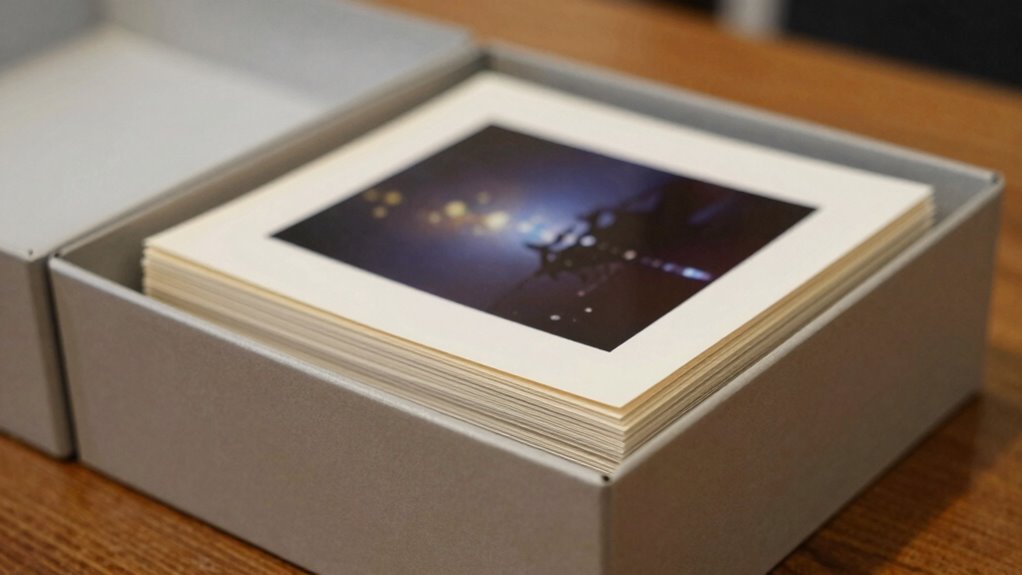
To keep your prints in top condition, handle them carefully by holding the edges and avoiding touching the image surface. Always use acid-free materials to support and protect your prints from deterioration. Proper preparation now guarantees your artwork stays beautiful for years to come. Additionally, storing your prints in a dry, cool environment away from high humidity can prevent damage caused by environmental factors air purifier maintenance. Ensuring proper requirements traceability throughout the storage process helps monitor and maintain the quality of your prints over time. Maintaining a consistent climate control environment is essential for long-term preservation, especially when considering material compatibility to prevent chemical reactions that can lead to yellowing or cracking. Incorporating proper storage techniques can further safeguard your prints from physical and environmental damage.
Proper Handling Techniques
Handling prints with care is essential to prevent damage and preserve their quality. Proper handling techniques ensure your prints stay in excellent condition. First, always handle prints with clean, dry hands or wear cotton gloves to avoid oils and dirt transfer. Second, prioritize handling safety by supporting the print from underneath to prevent bending or creasing. Third, maintain your equipment—use clean, well-maintained tools like tongs or spatulas to avoid accidental tears. Fourth, minimize direct contact and avoid exposing prints to excessive light, moisture, or temperature fluctuations. Additionally, storing prints in acid-free sleeves provides an extra layer of protection against environmental factors. Proper storage methods also help prevent curling, cracking, or yellowing over time. Regularly inspecting your stored prints for signs of deterioration can help address issues early. Using proper environmental controls, such as maintaining stable temperature and humidity levels, is crucial for long-term preservation. Ensuring proper handling techniques reduces the risk of physical damage during the storage process. By following these steps, you reduce the risk of curling, cracking, or yellowing, keeping your prints pristine for years. Careful handling combined with proper equipment maintenance is key to long-term preservation.
Use Acid-Free Materials
Using acid-free materials plays a vital role in safeguarding your prints from deterioration over time. When you store your prints on acid-free paper, you prevent acids from migrating and causing yellowing or brittleness. Opt for archival quality materials designed specifically for preservation, ensuring they won’t introduce harmful chemicals. These materials help maintain the print’s original color and integrity, reducing the risk of cracks and curling. Always choose acid-free paper or backing boards that are labeled as archival quality, as they meet strict standards for long-term storage. Additionally, proper storage techniques can further protect your prints from environmental damage. Incorporating acid migration prevention strategies can enhance the longevity of your prints. Using archival storage solutions creates a protective environment that extends the life of your prints and keeps them looking vibrant for years to come. Properly selecting and handling these materials can also prevent chemical interactions that cause deterioration over time. Employing environmental controls such as stable temperature and humidity can significantly reduce the risk of damage to your prints over time.
Using Acid-Free Envelopes, Sleeves, and Backing Boards
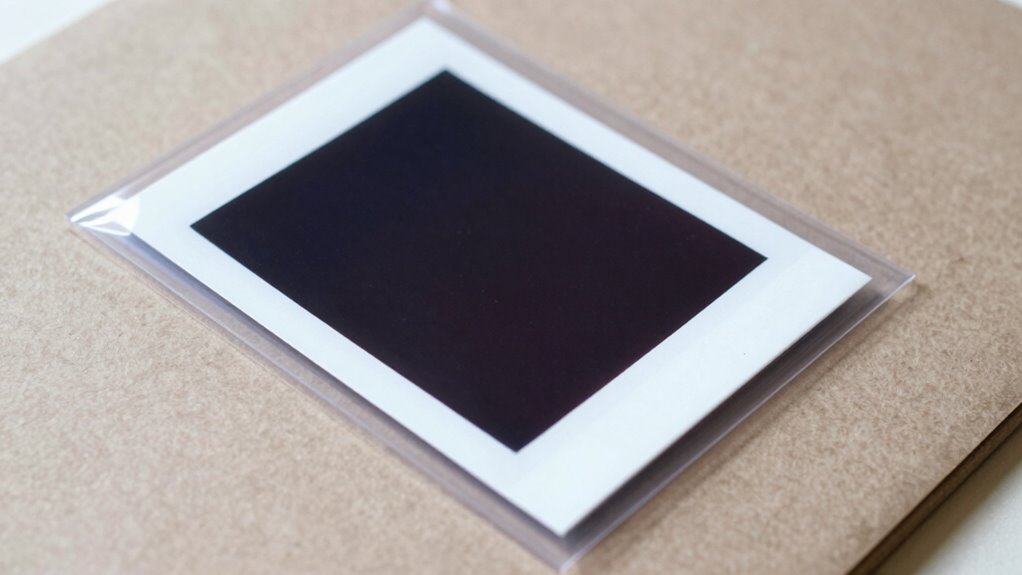
When storing prints, choosing acid-free envelopes, sleeves, and backing boards is essential to prevent deterioration over time. These materials protect your prints from acids that cause yellowing and damage, especially for matte finishes. Using acid-free supplies guarantees your prints stay vibrant and intact. Consider these tips:
- Select sleeves and envelopes labeled “acid-free” to prevent yellowing.
- Use backing boards to support prints and maintain their shape, avoiding curling.
- Store prints in sleeves suitable for framing techniques, ensuring they stay flat.
- Keep prints away from direct sunlight and humidity to preserve matte finishes longer.
- Proper storage should also include controlling temperature and humidity levels to prevent material degradation, which can accelerate deterioration over time.
- Additionally, understanding archival quality materials can help you choose the best options for long-term preservation.
This approach helps you safeguard your artwork, making framing easier and more effective over time. Proper storage with acid-free materials keeps your prints looking fresh and ready for display.
Storing Prints Flat in Suitable Frames or Containers

To guarantee your prints stay in pristine condition over time, storing them flat in appropriate frames or containers is highly effective. When choosing frames, opt for those with UV-protective glass and acid-free backing to prevent yellowing and damage. Make certain the frame size fits the print without forcing it, avoiding unnecessary bending or curling. Alternatively, consider container options like archival boxes, portfolios, or flat storage drawers made from acid-free materials. These containers protect prints from dust, light, and environmental fluctuations. Keep prints flat, avoiding rolling or folding, which can cause cracks or warping. Proper frame choices and container options provide a stable environment, minimizing physical stress and exposure. This method helps preserve your prints’ colors, surface integrity, and overall longevity.
Maintaining the Right Environment to Prevent Curling, Cracking, and Yellowing
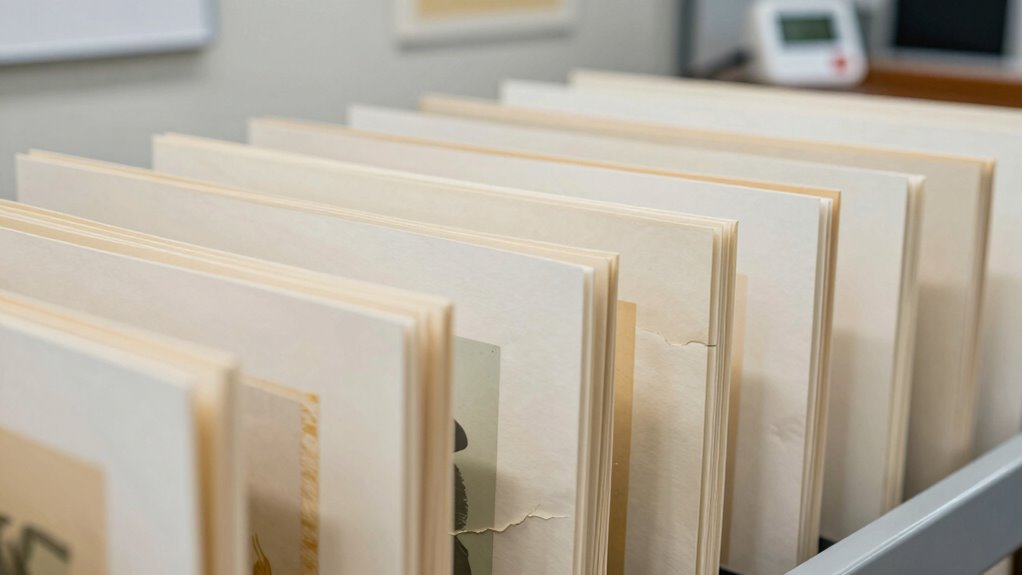
To keep your prints in top condition, you need to control the environment around them. Maintaining stable humidity, limiting light exposure, and using archival materials are key steps. These practices help prevent curling, cracking, and yellowing over time.
Maintain Stable Humidity Levels
Maintaining stable humidity levels is essential for preserving the integrity of your prints. Fluctuations can cause curling, cracking, or yellowing over time. To achieve best environmental stability, consider these tips:
- Use a dehumidifier or humidifier to keep humidity between 40-50%, depending on your climate.
- Store prints in a climate-controlled room with consistent temperature and humidity.
- Avoid placing prints near windows, radiators, or air vents that cause rapid environmental changes.
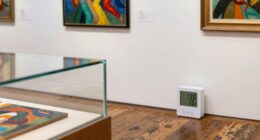
- Regularly monitor humidity with a reliable hygrometer to guarantee humidity control stays within the ideal range.
Control Light Exposure
Ever wonder how exposure to light can damage your prints over time? UV rays cause fading, yellowing, and deterioration, so controlling light exposure is essential. Use UV protection glass or acrylic when framing your prints to block harmful rays. Implement light filtration in your storage or display areas by installing UV-filtering window films or shades. Keep prints away from direct sunlight, which accelerates aging and causes curling or cracking. Regularly monitor lighting conditions to ensure they stay within safe levels, ideally low light environments. By minimizing UV exposure and filtering out damaging light, you preserve your prints’ color, integrity, and longevity. Proper control of light exposure helps prevent the irreversible damage that can ruin your cherished prints over time.
Use Archival Materials
Have you considered how the materials you use can impact the long-term preservation of your prints? Using archival-quality materials is essential. Proper framing techniques, like acid-free mats and UV-protective glass, help shield prints from environmental damage. Additionally, storing digital backups ensures you preserve your images even if originals degrade. Here are four tips to keep your prints in top shape:
- Choose acid-free, lignin-free storage papers and folders.
- Use UV-filtering glass or acrylic when framing.
- Keep prints in a cool, dry, and dark environment.
- Avoid adhesives and tapes that contain acids or harmful chemicals.
Common Storage Mistakes That Harm Your Prints

One of the most common mistakes people make when storing prints is exposing them to improper environmental conditions. Poor choices in frame or display methods can cause irreversible damage. For example, hanging a print in direct sunlight, near a heat source, or in a damp area accelerates fading and warping. Selecting the wrong frame — like one without UV protection or non-archival backing — exposes prints to harmful light and air. To visualize this, consider the following:
| Frame Choice | Display Methods | Environmental Risks |
|---|---|---|
| Non-UV glass or plastic | Hanging in sunlight | Fading and yellowing |
| Cheap or non-archival backing | Framing in humid areas | Mold and warping |
| Improper mounting materials | Open on walls without protection | Cracking and curling |
Avoid these mistakes to keep your prints pristine.
Long-Term Storage Tips for Art Prints, Photos, and Posters

To guarantee your art prints, photos, and posters stay vibrant and intact over time, proper long-term storage techniques are essential. Implementing effective print preservation techniques helps prevent deterioration. Here are four key tips:
- Store in acid-free, archival quality materials to avoid yellowing and damage.
- Keep items in a cool, dark, and stable environment to prevent fading and cracking.
- Use digital backup strategies by scanning or photographing your prints for easy access and safekeeping.
- Avoid exposing stored prints to fluctuating temperatures and humidity, which accelerate deterioration.
Following these practices ensures your collection remains in excellent condition for years. Proper long-term storage not only preserves the physical integrity of your prints but also complements digital backup strategies for extensive preservation.
How to Inspect and Care for Your Stored Prints Regularly
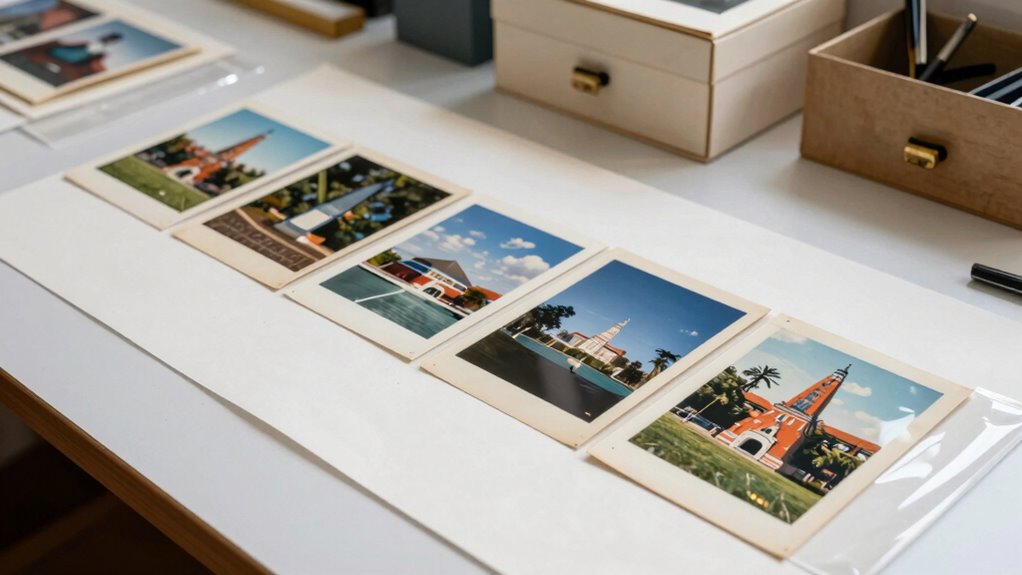
Regular inspections are essential to guarantee your stored prints remain in good condition. Conduct print inspections at least once every few months to catch any signs of deterioration early. During each inspection, look for fading, discoloration, warping, or damage from pests or moisture. Follow consistent storage routines by handling prints with clean hands or gloves to prevent oils and dirt from causing harm. Check that your storage environment remains stable, with proper temperature and humidity levels. Ensure your prints aren’t pressed against acidic materials or exposed to light. If you notice issues, address them immediately—whether by re-evaluating storage conditions or consulting a professional. Regular care and attentive storage routines help preserve your prints’ quality and longevity.
Frequently Asked Questions
How Often Should I Rotate or Handle Stored Prints?
You should handle your stored prints minimally, ideally only when necessary, and follow a rotation schedule every 6 to 12 months. This handling frequency helps prevent damage from frequent touching and reduces the risk of curling or cracking. During rotation, carefully inspect each print for signs of deterioration. By limiting handling and sticking to a consistent schedule, you guarantee your prints stay in excellent condition for years to come.
Can I Store Prints Outdoors or in Humid Environments?
Storing prints outdoors or in a humid environment isn’t recommended, as moisture can cause damage like curling, cracking, or yellowing. If you must store them outside temporarily, keep them in airtight, waterproof containers with silica gel packs to absorb humidity. Ideally, store your prints indoors in a cool, dry place, away from direct sunlight and high humidity, to preserve their quality and prevent deterioration over time.
What’s the Best Way to Label or Catalog Stored Prints?
You must master archival labeling and cataloging systems to keep your prints organized and protected. Use acid-free labels and write with archival pens to prevent damage. Number or date each print, then log details in a secure, digital catalog or a well-organized physical system. This way, you’ll effortlessly locate any print when needed, avoiding chaos and preserving your collection’s integrity for years to come.
How Do I Safely Transport Prints for Moving or Exhibitions?
When transporting prints, you should use proper framing techniques with archival materials to prevent damage. Place prints in acid-free sleeves or tissue paper, then secure them in sturdy, padded containers. Avoid stacking prints directly on each other, and use corner protectors to prevent bending. Carefully pack these containers in a sturdy box, ensuring they stay flat and secure during transit. This approach keeps your prints safe from curling, cracking, or yellowing during moving or exhibitions.
Are There Specific Storage Methods for Different Types of Prints?
Imagine your prints as delicate dancers, each with unique needs. For different types, you should use specific storage methods: acid-free enclosures for fragile, archival-quality protection, and maintain humidity control to prevent warping or deterioration. For photographs, consider glassine or Mylar sleeves, while textured or watercolor works thrive in acid-free boxes. Tailoring your approach guarantees each piece stays vibrant, preserving its story for years to come.
Conclusion
By paying close attention to how you store your prints, you gently nurture their longevity, allowing their beauty to quietly endure through time. Thoughtful care and the right environment act as silent guardians, safeguarding your cherished pieces from subtle wear. When you embrace these practices, you create a subtle harmony that keeps your prints looking their best, giving them the quiet dignity they deserve—an enduring proof to your mindful preservation.