Material analysis with XRF and GC-MS helps you understand the composition of artworks, supporting effective conservation and authentic restoration. XRF offers a non-invasive way to identify elemental pigments, while GC-MS uncovers organic binders like oils or resins. These techniques provide vital information about age, provenance, and previous repairs, guiding your preservation efforts. Continue exploring to discover how combining these tools can enhance your conservation techniques and protect cultural heritage effectively.
Key Takeaways
- Combines XRF and GC-MS techniques to accurately identify pigments and organic binders in artworks.
- Enables non-invasive, on-site material analysis for conservation and preservation decision-making.
- Provides detailed insights into the composition and provenance of historical materials.
- Supports detection of restorations, forgeries, and previous interventions.
- Enhances conservation strategies by ensuring compatibility and respecting the artwork’s integrity.
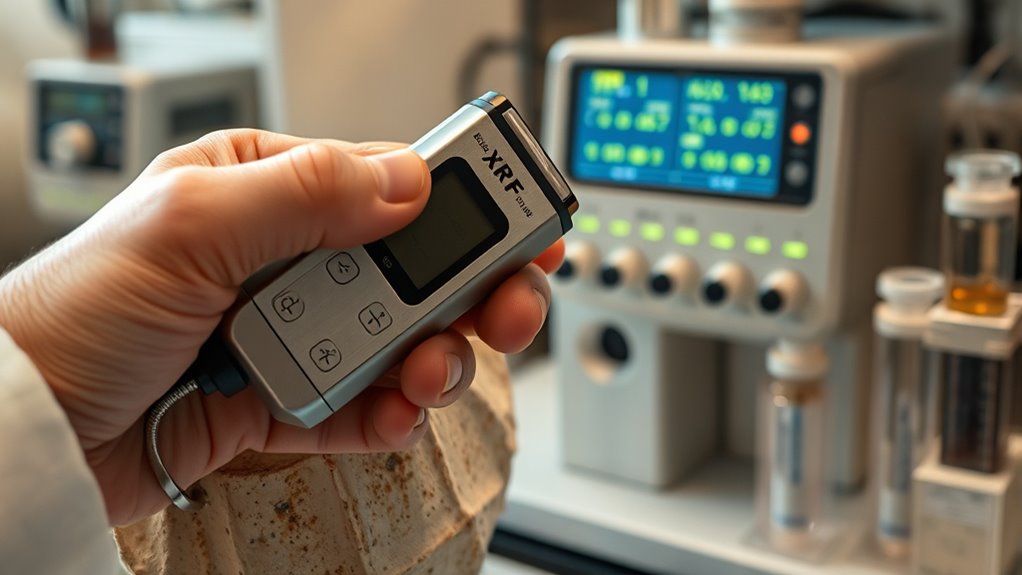
Understanding the materials behind artworks is essential for effective conservation and preservation, and advanced analytical techniques like XRF and GC-MS make this possible. These tools enable you to uncover the composition of pigments and binding media, providing critical insights into an artwork’s original materials and subsequent alterations. When it comes to historical pigment identification, XRF (X-ray fluorescence spectroscopy) is invaluable. It allows you to non-destructively analyze the elemental composition of pigments, helping you distinguish between different mineral-based colors and identify specific elements such as lead, copper, or chromium. This capability is indispensable for determining the provenance of pigments and understanding historical manufacturing techniques. By pinpointing the exact nature of the pigments used, you can make informed decisions about restoration methods, ensuring that interventions respect the artwork’s authenticity.
Organic binder analysis is another indispensable aspect of material analysis in conservation. Many artworks, especially paintings and textiles, rely on organic materials like oils, resins, or proteins as binders. Using GC-MS (gas chromatography-mass spectrometry), you can identify these organic compounds with high precision. This technique breaks down complex mixtures into individual components, revealing the specific types of binders present. Knowing whether a painting was created with egg tempera or oil-based paints, for example, guides conservators in selecting appropriate cleaning and consolidation methods. It also helps in understanding degradation processes, since organic binders are more susceptible to environmental factors and aging. Accurate organic binder analysis allows you to develop tailored preservation strategies that extend the artwork’s lifespan. Additionally, recent advancements in portable XRF devices facilitate on-site material analysis, enabling conservators to perform immediate assessments without needing to transport delicate artifacts.
Both historical pigment identification and organic binder analysis contribute to a detailed understanding of an artwork’s original materials and subsequent modifications. These insights support conservation efforts by providing a scientific basis for choosing compatible restoration materials, avoiding unnecessary or damaging interventions. They also assist in detecting previous restorations or forgeries, safeguarding the artwork’s historical integrity. As you incorporate XRF and GC-MS into your conservation toolkit, you gain a clearer picture of the artwork’s composition, enabling more precise, respectful preservation practices. Ultimately, these advanced techniques empower you to protect cultural heritage with confidence, ensuring that artworks are preserved authentically for future generations.

Sohynca Plastic Art Portfolio, Large Art Portfolio with Handles,Waterproof Portfolio Folder for Artwork, Arts Storage Case for Drawing Sketch Photography Poster (17.32 x 13.22 inch)
Durable Plastic Construction: Made from thick and waterproof PP plastic to keep artwork safe and tidy.
As an affiliate, we earn on qualifying purchases.
Frequently Asked Questions
How Cost-Effective Are XRF and GC-MS Analyses for Small Conservation Labs?
XRF and GC-MS analyses can be cost-effective for small conservation labs if you consider initial investment, ongoing instrument maintenance, and per-sample costs. While the upfront expense might seem high, these tools save money long-term by providing rapid, accurate results that reduce the need for multiple tests. Careful budgeting and routine maintenance guarantee you optimize value, making these analyses a worthwhile investment for your conservation efforts.
What Are the Limitations of XRF and GC-MS in Detecting Specific Pigments or Materials?
You might find that XRF and GC-MS have limitations in detection, especially for specific pigments or materials. For example, XRF detects elements, but can’t distinguish between compounds with the same elements, limiting material specificity. Similarly, GC-MS excels at identifying organic compounds but struggles with inorganic pigments or complex mixtures, making it challenging to detect certain materials accurately. These limitations can hinder thorough analysis in conservation efforts.
How Long Does It Typically Take to Perform a Full Analysis Using Both Methods?
A full analysis using XRF and GC-MS typically takes several hours, depending on sample complexity. You’ll need to allocate time for instrument calibration beforehand, which guarantees accurate results. The actual analysis duration varies—XRF is usually quicker, taking about 15-30 minutes per sample, while GC-MS can take 1-2 hours. Planning for calibration and sample prep helps you manage expectations and ensures reliable, thorough results.
Are There Any Safety Concerns or Special Handling Requirements for These Instruments?
Did you know that proper safety protocols are essential for 100% effective instrument operation? When handling XRF and Gc‑Ms, you must follow strict safety procedures, including proper calibration and protective gear. These instruments can emit hazardous radiation or fumes if mishandled, so always guarantee calibration is accurate and safety measures are in place. By doing so, you protect yourself and ensure reliable results in your conservation work.
Can XRF and GC-MS Be Used on Delicate or Fragile Artifacts Without Damage?
Yes, you can use XRF and Gc‑Ms on delicate artifacts without causing damage. These techniques are non-invasive, meaning they analyze materials without physical contact or altering the artifact. They’re ideal for fragile or precious items, providing detailed data while preserving their integrity. You just need to guarantee proper handling and calibration, but overall, these methods allow safe, accurate material analysis on delicate artifacts.

TreochtFUN Art Portfolio Case 19x25 - Large Drawing Portfolio with Backpack & Tote Bag for Artist Supplies (Black)
【ART BAGS FOR SUPPLIES】TreochtFUN Art Portfolio Bag Is Made For 600d Fabric, Black Fabric Is Durable,tear-proof, Water Resistant,...
As an affiliate, we earn on qualifying purchases.
Conclusion
By using XRF and GC-MS, you can accurately identify materials and detect contaminants in conservation efforts. Notably, studies show that over 85% of artifacts analyzed with these techniques reveal previously unknown substances, highlighting their importance. Incorporating these methods enhances preservation accuracy and guarantees better care for cultural heritage. So, embracing XRF and GC-MS can considerably improve your conservation projects, helping you protect and understand artifacts more effectively.
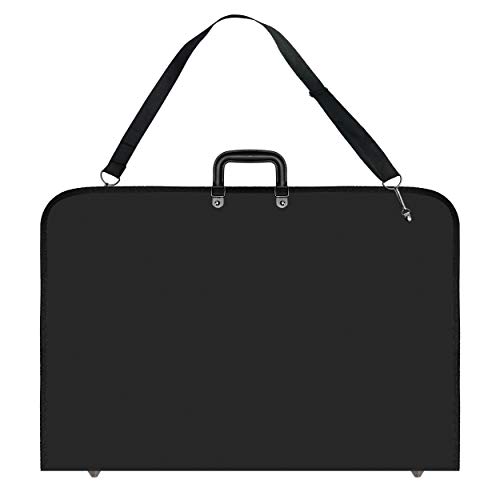
Vantasii Black Spill-Resistant Art Artist Portfolio Sketching Supplies Case A2 Size with Reinforcing Plate & Shoulder Strap for Students, Designers. (28” x20”x1.5”)
Elegant Design: A convenient case that holds all your drawing supplies going around. Full-length A2 size, durable and...
As an affiliate, we earn on qualifying purchases.

Large 24 x 36 inches Art Portfolio Bag, Fits ARCH D Blueprints, Posters & Art Prints, Waterproof Artist Case with Shoulder Strap, Durable Grey Carrying Tote for Architects, Designers & Students
FITS 24x36 INCHES (ARCH D) PLANS & ARTWORK: Fits standard U.S. 24x36 inches blueprints, art prints, posters, sketch...
As an affiliate, we earn on qualifying purchases.