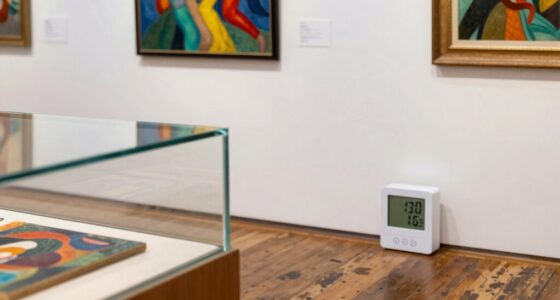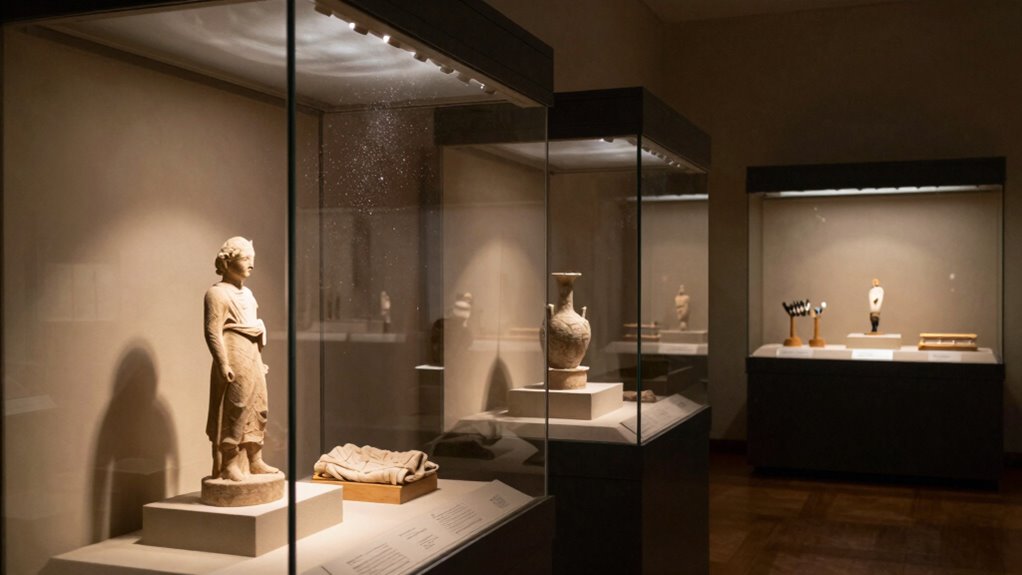

Museums control light by using low-intensity bulbs, UV filters, and smart lighting systems to minimize damage, while maintaining humidity and temperature to prevent deterioration. Dust is managed through air purifiers, sealed cases, and regular cleaning routines. They also monitor environmental changes with sensors and imaging to catch issues early. You can adopt similar techniques at home, like using UV filters, dust covers, and climate control devices. Keep exploring to discover more ways to protect your collection effectively.
Key Takeaways
- Museums reduce light damage by using low-intensity, UV-filtered lighting, and rotate exhibits; at home, use dim lighting and UV-protective films.
- They maintain cleanliness with air purifiers and sealed cases; at home, employ dust covers, regular cleaning, and affordable HEPA filters.
- Regular environmental monitoring with sensors helps detect damage early; at home, use hygrometers and thermostats for humidity and temperature control.
- Precise climate control stabilizes humidity and temperature, preventing deterioration; similar methods include dehumidifiers and climate-controlled storage at home.
- Museums implement cost-effective DIY solutions like tinted window films and plastic covers, which can be adapted for personal preservation needs.

rabbitgoo Window Privacy Film One Way Window Tint for Home, Removable Reflective Heat Sun Blocking Anti UV Glass Door Covering, Mirror Tinting Film House Office, 17.5 in X 6.5 Feet, Silver
Heat Control, Energy Saving: This heat control window film reflects 80% of infrared rays, reducing heat transmission through…
As an affiliate, we earn on qualifying purchases.
As an affiliate, we earn on qualifying purchases.
How Do Museums Protect Artifacts From Light Damage?
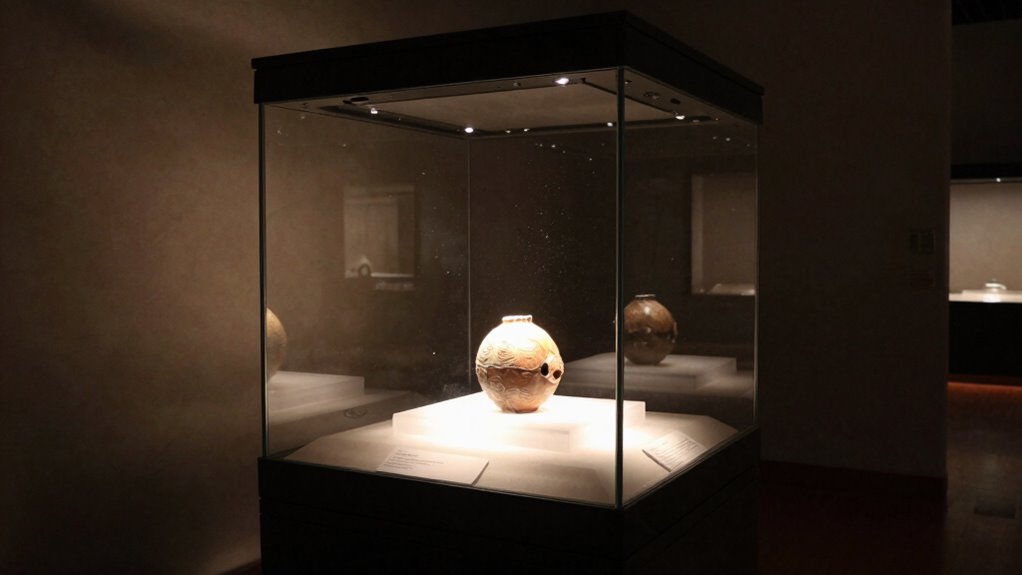
Since light can cause irreversible damage to delicate artifacts, museums actively take measures to minimize exposure. They carefully regulate artifact lighting by using low-intensity bulbs and UV-filtering glass to reduce harmful wavelengths. Light levels are kept low, often around 50 lux or less, to slow deterioration without compromising visibility. Additionally, museums implement display security measures, such as rotating exhibits and limiting display durations, to prevent prolonged light exposure. They also use timers and automatic dimming systems to control lighting precisely. These strategies ensure artifacts remain protected from light damage while remaining accessible for public viewing. Moreover, light damage prevention techniques are continuously refined through research to enhance artifact preservation. Employing climate control further supports artifact longevity by regulating humidity and temperature levels. Incorporating free floating concepts can inspire innovative ways to adjust exhibit environments for optimal preservation. Understanding light management principles helps museums create balanced environments that safeguard collections while allowing visitor engagement. Regular monitoring with environmental sensors allows for real-time adjustments to maintain ideal conditions for artifact preservation.

Air Purifiers for Home Large Room 2200 Ft² with Washable Filters, MOOKA H13 HEPA Air Purifier for Home Pets Bedroom with Fragrance, Air Cleaner for Smoke Dust Pollen Pets Hair Odor, KJ190 White
𝐇𝐢𝐠𝐡𝐞𝐫 𝐀𝐢𝐫 𝐈𝐧𝐭𝐚𝐤𝐞 & 𝐋𝐚𝐫𝐠𝐞𝐫 𝐂𝐨𝐯𝐞𝐫𝐚𝐠𝐞 𝐟𝐨𝐫 𝐏𝐞𝐭 𝐋𝐨𝐯𝐞𝐫𝐬: This air purifier for home pets is designed with…
As an affiliate, we earn on qualifying purchases.
As an affiliate, we earn on qualifying purchases.
Why Dust Control Is Essential for Artifact Preservation
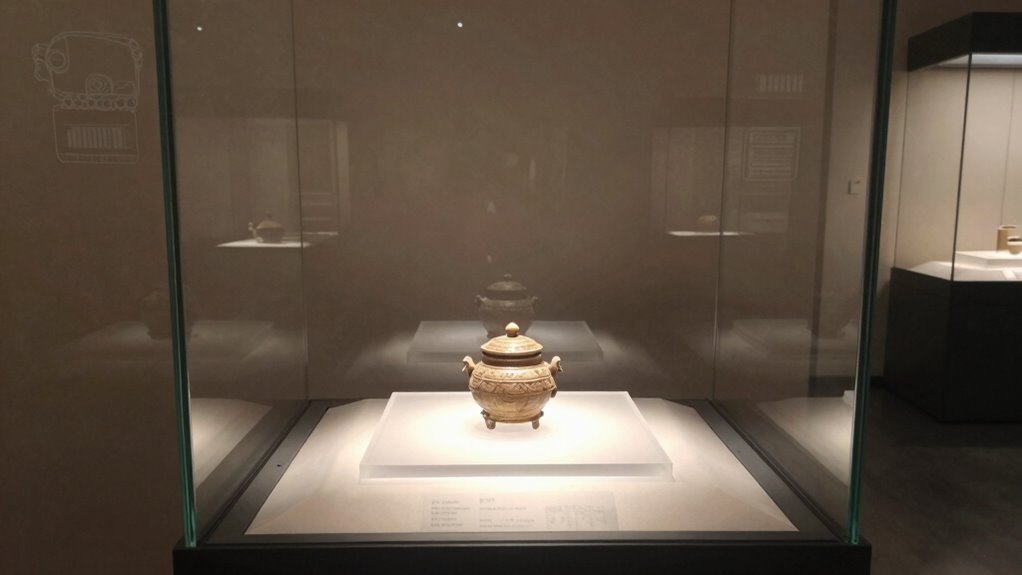
While controlling light helps prevent visual and chemical damage to artifacts, dust poses its own persistent threat. Dust can settle on surfaces, leading to surface abrasion and chemical deterioration over time. Poor air quality allows dust particles to circulate freely, increasing the risk of damage. Effective pest control is also essential, as insects often hitch a ride on dusty surfaces, causing physical harm. To protect your collection:
- Maintain clean environments with proper filtration systems
- Regularly dust and vacuum display and storage areas
- Use sealed display cases to limit dust and pest entry
Implementing air filtration systems can significantly reduce airborne particles and improve overall artifact preservation. Proper ventilation and dust control measures can help maintain a stable environment, preventing buildup that accelerates deterioration. Controlling dust not only preserves the physical integrity of artifacts but also improves air quality, reducing chemical reactions that cause deterioration. Additionally, understanding the role of projectors in visual presentation can help create optimal viewing conditions for exhibits. Ensuring consistent environmental monitoring and implementing dust management strategies are crucial steps in prolonging artifact lifespan. Incorporating environmental controls such as humidity and temperature regulation further enhances preservation efforts. Implementing these simple steps can markedly extend the lifespan of your collection.

TempPro TP50 Digital Hygrometer Indoor Thermometer Room Thermometer and Humidity Gauge with Temperature Humidity Monitor(Previously ThermoPro)
Wellness Indicator: This humidity meter with humidity level icon indicates air conditions – DRY/COMFORT/WET, allowing this humidity sensor…
As an affiliate, we earn on qualifying purchases.
As an affiliate, we earn on qualifying purchases.
Techniques Museums Use to Monitor Damage Over Time
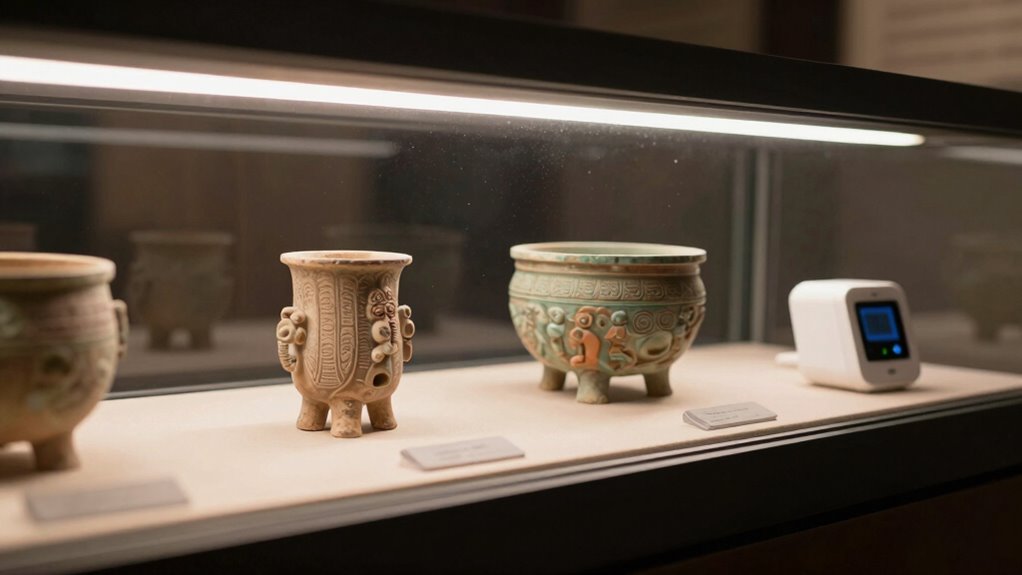
Museums employ a variety of techniques to monitor damage over time, ensuring they catch issues early before they become irreversible. One key method is analyzing lighting history, which helps identify exposure patterns that could harm artifacts. By tracking how much light each item receives, curators can adjust lighting levels to minimize deterioration. Artifact cataloging plays a vital role as well; detailed records document each piece’s condition, location, and any changes over time. Regular inspections and high-resolution imaging reveal subtle signs of damage, like fading or surface wear, enabling prompt intervention. These combined approaches allow you to understand how environmental factors impact artifacts and help prevent long-term damage, preserving your collection’s integrity for future generations. Additionally, understanding environmental factors such as temperature and humidity fluctuations is crucial, as these can accelerate deterioration if not properly controlled. Monitoring damage progression over time helps identify early warning signs, allowing for timely conservation efforts. Implementing environmental monitoring systems can further enhance the ability to maintain optimal conditions and extend the lifespan of delicate objects. Moreover, employing advanced imaging techniques can facilitate the detection of minute changes that are invisible to the naked eye, providing a comprehensive overview of an artifact’s condition. Incorporating preventive conservation strategies can also significantly reduce the risk of damage caused by environmental fluctuations.

DGUAM 5000 Sq. Ft Dehumidifier, Max 95 Pint/Day Dehumidifier for Basement & Home, Compressor Dehumidifier with Drain Hose, Smart Humidity Control, Energy Efficient & Quiet for Bedroom, Large Rooms
【From Damp to Comfortable – 95 Pints/day Powerful Dehumidifier for Basement, Home & Large Rooms】: This dehumidifier for…
As an affiliate, we earn on qualifying purchases.
As an affiliate, we earn on qualifying purchases.
Tips From Museums for Humidity and Temperature Control at Home
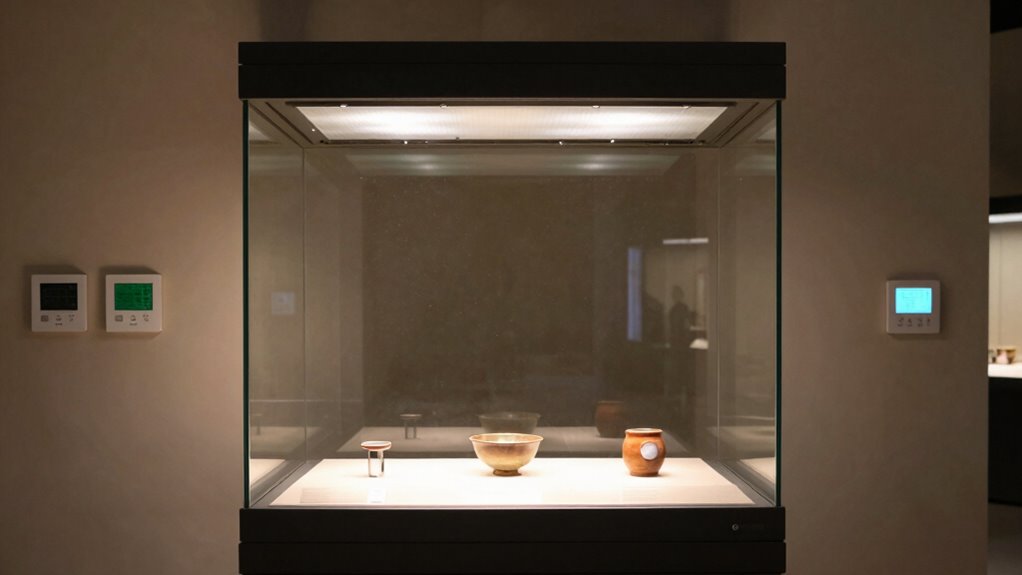
Maintaining proper humidity and temperature levels is essential for preserving artifacts, and museums have developed effective strategies you can easily apply at home. Keeping humidity levels steady prevents cracking and mold, while temperature stability slows deterioration. To achieve this:
Maintaining steady humidity and temperature protects artifacts from damage and deterioration.
- Use a hygrometer and a thermometer to monitor conditions regularly.
- Keep your home in a climate-controlled environment, avoiding rooms with direct sunlight or drafts.
- Use humidifiers or dehumidifiers to fine-tune humidity levels as needed.
- Regularly monitor environmental fluctuations to ensure consistent preservation conditions.
- Implementing climate control systems similar to those in museums can help maintain ideal conditions for valuable items.
Simple Ways to Reduce Light Exposure in Your Space
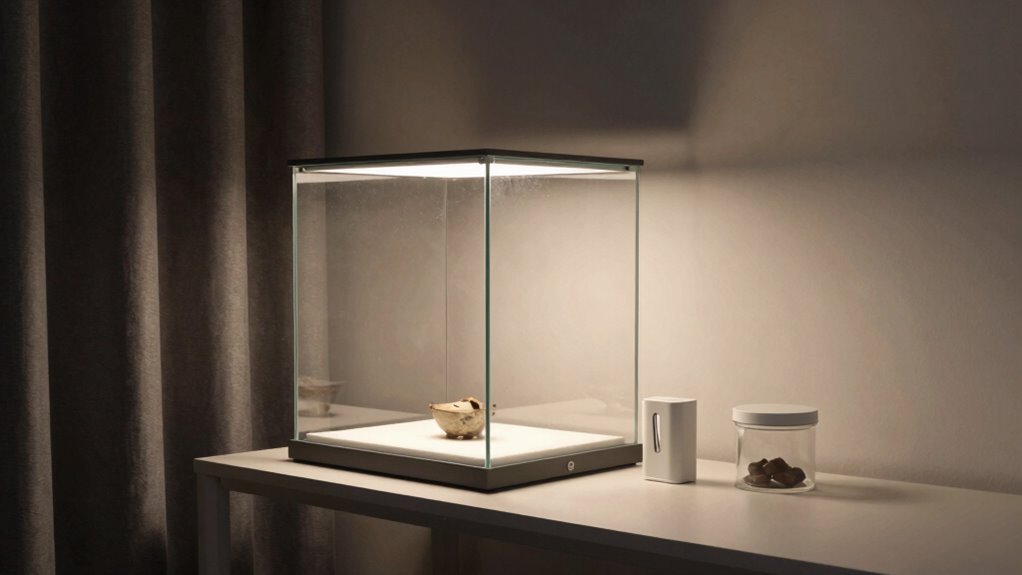
To protect your valuables from light damage, consider using dim lighting whenever possible. Installing UV-filtering windows or films can also block harmful ultraviolet rays. These simple adjustments help preserve your space and items over time.
Use Dim Lighting
Reducing light exposure is essential for preserving delicate artifacts, and one simple way to do this is by using dim lighting. This approach helps control the lighting ambiance, preventing light damage while maintaining a pleasing visual aesthetics. You can:
- Lower the brightness on existing fixtures to create a softer, more subdued glow.
- Use lamps with dimmer switches to adjust lighting levels easily.
- Incorporate warm-toned bulbs that provide gentle illumination without compromising ambiance.
- Implement AI-powered lighting controls that can automatically adjust brightness based on time of day or ambient light levels AI lighting automation.
These small adjustments help protect your items from harmful light while still offering enough visibility. Dim lighting not only preserves your belongings but also enhances the overall visual experience, making your space feel cozy and inviting. It’s a simple, effective method to safeguard your collection at home.
Choose UV-Filtering Windows
Choosing UV-filtering windows is a simple yet effective way to protect your collectibles from harmful light exposure. These windows provide essential UV protection, reducing the damage caused by ultraviolet rays that can fade colors and weaken materials over time. You can enhance this protection with specialized window treatments like films or shades designed to block UV light while still allowing natural brightness. Installing UV-filtering windows is a proactive step that preserves the integrity of your collection without sacrificing daylight. Select window treatments that specifically mention UV protection to ensure maximum effectiveness. This approach helps you control light exposure naturally and sustainably, mimicking museum standards at home. By choosing the right windows and coverings, you safeguard your treasures from the damaging effects of light, dust, and time.
How to Keep Dust Away From Your Collections Easily
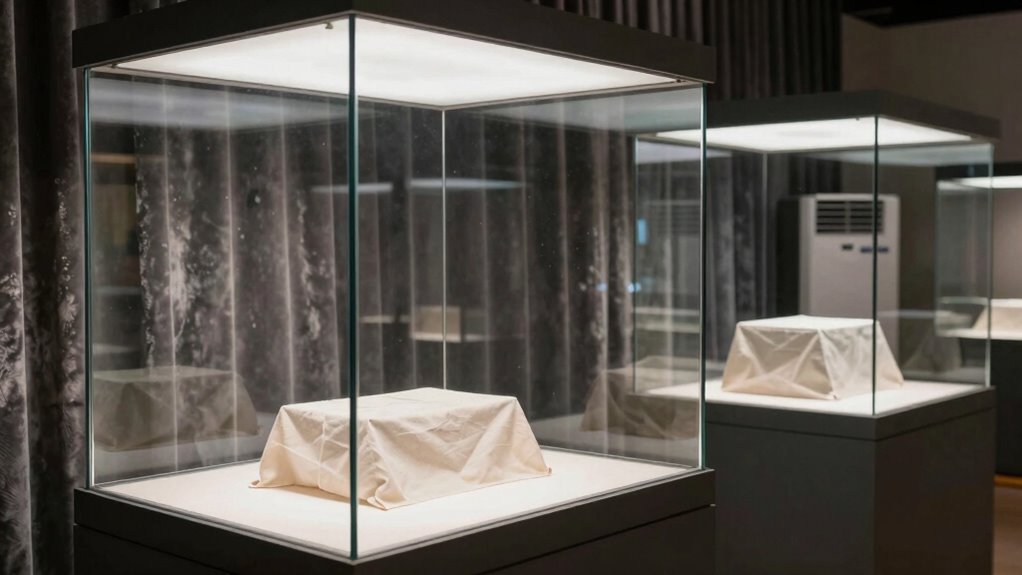
Dust can quickly settle on your collections, causing damage and diminishing their appearance. To keep dust at bay, use simple, effective strategies. First, invest in air purifiers to filter airborne particles and improve air quality around your items. Second, cover your collections with dust covers when you’re not displaying or handling them, preventing buildup. Third, regularly dust your displays and storage areas with a soft cloth or brush to remove settled particles before they cause harm. These small steps make a significant difference in preserving your collections’ integrity and look. Additionally, controlling environmental factors such as air quality management can further protect your items from dust and other pollutants. By controlling the environment with air purifiers and dust covers, you reduce dust accumulation effortlessly and keep your collections pristine longer. Incorporating climate control techniques helps maintain optimal humidity and temperature, preventing dust and other deterioration factors from damaging delicate items. Implementing these measures can also be inspired by environmental controls used in electric bikes, which manage external conditions to optimize performance and longevity. Paying attention to dust mitigation methods ensures your collections remain as beautiful and well-preserved as when you first acquired them.
Affordable Strategies to Mimic Museum-Like Environmental Conditions
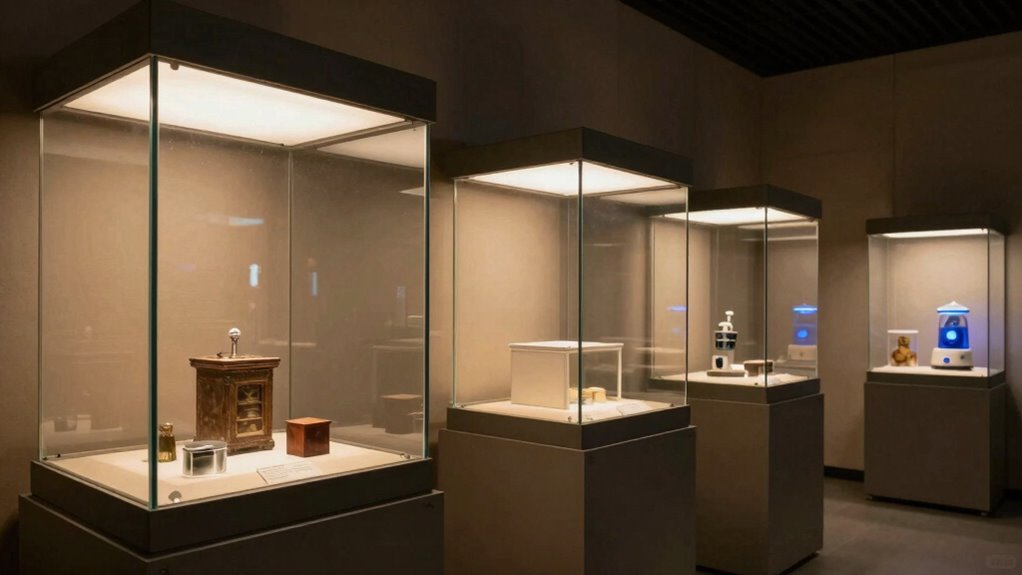
You can create budget-friendly solutions to protect your collections by using DIY light filters, like tinted films or simple shades. Implementing basic dust barriers and regular cleaning routines helps prevent buildup without high costs. Additionally, maintaining stable environments through inexpensive methods, such as controlling humidity with household items, makes your space more museum-like. Affordable security measures can also help safeguard your treasures from unexpected threats.
DIY Light Filtering Solutions
Creating effective DIY light filtering solutions can considerably reduce damage to delicate artifacts without breaking the bank. You can enhance UV protection and light filtering by using simple materials around your home. For example, hang sheer curtains made of lightweight fabric to diffuse sunlight and cut down on harsh UV rays. You might also apply UV-filtering window film or peel-and-stick UV protection sheets directly onto your windows for a more permanent solution. Additionally, using DIY shades or umbrellas made from light-colored fabric can block direct light without darkening the room excessively. These methods help control light exposure, preserving your artifacts’ integrity. Remember, the goal is to reduce UV damage and create a gentle, museum-like environment with affordable, DIY strategies.
Dust Prevention Techniques
Maintaining a dust-free environment is essential for preserving delicate artifacts, and implementing affordable strategies can make this achievable without specialized equipment. Start by creating simple dust barriers, such as sealed plastic covers or curtains, around displays or storage areas. These barriers prevent dust from settling directly onto your items. Incorporate air filtration by using affordable air purifiers equipped with HEPA filters, which effectively trap dust particles. Regularly vacuum with a HEPA-filter vacuum to reduce airborne dust and prevent buildup. Keep windows and doors closed during dust-prone activities, and wipe surfaces frequently with a damp cloth to trap dust rather than disperse it. These straightforward measures mimic museum-level dust control, helping protect your collection without breaking the bank.
Creating Stable Environments
Implementing simple, affordable measures can help you establish a stable environment that closely resembles the controlled conditions of a museum. Start by setting consistent lighting schedules to reduce light exposure, which can degrade artifacts over time. Use timers or dimmable lights to mimic natural cycles and prevent unnecessary light damage. Handle artifacts carefully, avoiding frequent movement or unnecessary handling that can cause wear or contamination. Consider the following strategies:
- Maintain a steady temperature and humidity level using affordable hygrometers and heaters or dehumidifiers
- Use UV-filtering curtains or shades to block harmful light
- Store artifacts in dust-proof containers or display cases to minimize environmental fluctuations
These steps help protect your collection and create a more stable environment at home.
What Can You Learn From Museum Preservation Methods for Your Items?
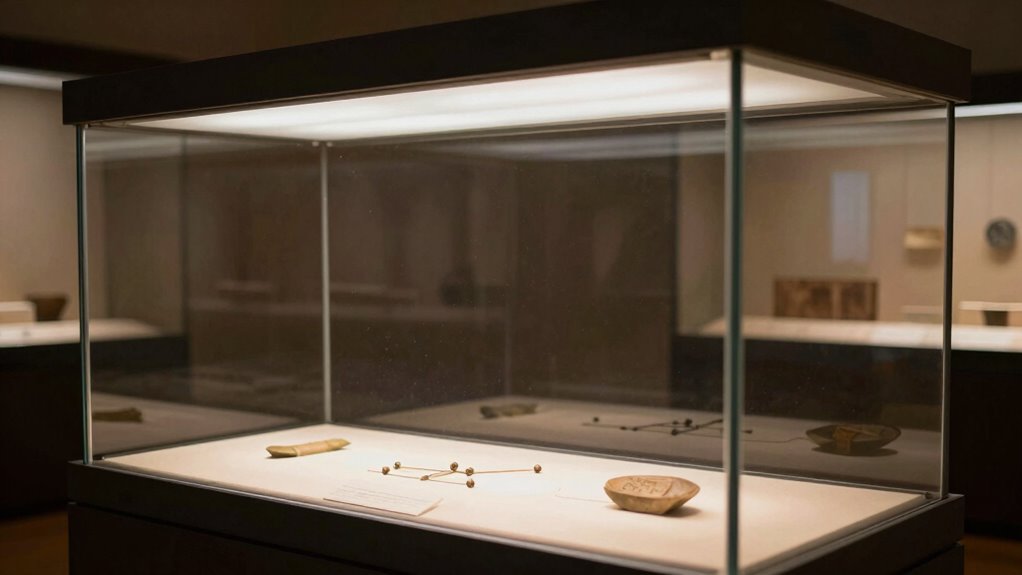
Museum preservation techniques offer valuable lessons for caring for your own items. One key lesson is implementing effective timing techniques, such as establishing consistent lighting schedules to prevent light damage. Museums carefully control when and how long artifacts are exposed to light, reducing deterioration caused by UV rays and heat. You can apply this by setting specific times for displaying items or using timers to limit exposure. Additionally, maintaining a routine that mimics museum practices helps preserve the integrity of your belongings over time. Keeping lighting low when not actively viewing your items and avoiding prolonged exposure can considerably extend their lifespan. By adopting these simple yet strategic methods, you help ensure your possessions stay protected from environmental stresses.
Troubleshooting Common Preservation Challenges at Home
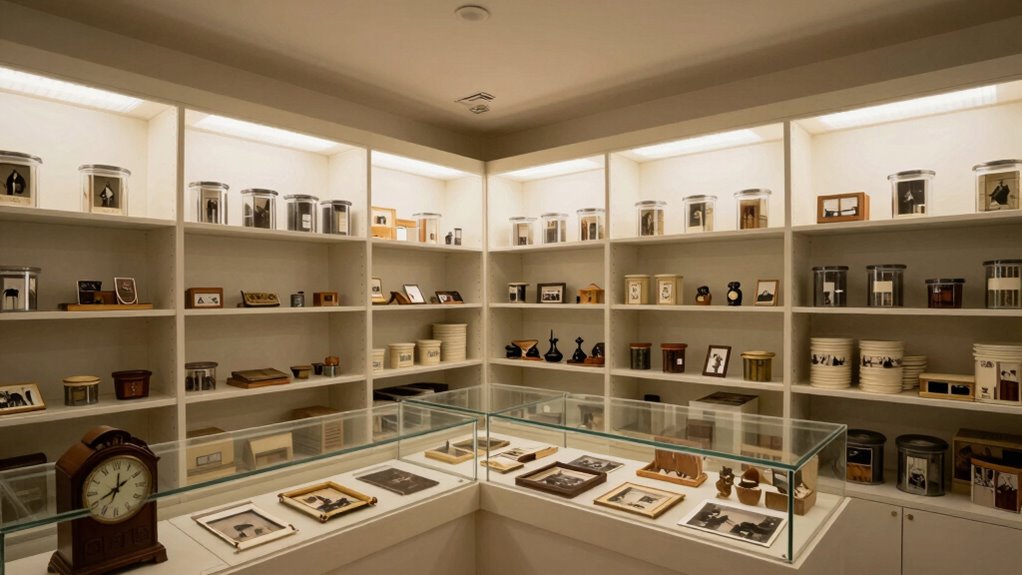
Despite your best efforts, preservation challenges often arise at home due to environmental factors like fluctuating humidity, temperature swings, and dust buildup. To address these issues while respecting conservation ethics, focus on proper artifact handling and environmental control.
Environmental factors at home can cause preservation issues; focus on proper handling and climate control to protect artifacts.
- Use airtight containers or display cases to minimize dust and pollutants.
- Maintain stable humidity and temperature with a dehumidifier or climate control system.
- Handle items with clean gloves to prevent oils and dirt transfer.
Frequently Asked Questions
What Are the Best DIY Methods for Controlling Light Exposure?
For effective lighting control at home, you should use DIY lightproofing methods like blackout curtains or UV-blocking film on windows. Keep lights dim or use low-wattage bulbs, and turn them off when not needed. Consider using adjustable lamps or shades to direct light away from sensitive items. These DIY strategies help protect your belongings from UV damage and excessive light exposure, mimicking professional museum lighting control.
How Can I Detect Early Signs of Dust Damage on Artifacts?
You can detect early signs of dust damage on artifacts by regularly inspecting surfaces for microbial growth, which often appears as fuzzy or slimy patches. Also, watch for surface discoloration, like dark spots or staining, indicating dust buildup or mold. Use a magnifying glass to examine these areas closely. Early detection helps prevent long-term damage, so make routine checks to keep your artifacts in good condition.
Are There Inexpensive Tools to Monitor Environmental Conditions at Home?
Think of your home as a fragile artifact needing protection. You can easily keep watch with affordable sensors designed for DIY monitoring. These small devices track temperature, humidity, and light, acting as your digital guardians. With simple setup, you’ll get real-time updates, helping you catch environmental changes early. This way, you create a safe space, just like museums do, but without breaking the bank—preserving your treasures with smart, inexpensive tools.
What Common Mistakes Should I Avoid When Preserving Collectibles?
You should avoid storage mistakes like keeping collectibles in humid or direct sunlight, which can cause damage over time. Handle items with care, using gloves to prevent oils and dirt from transferring. Don’t store collectibles in areas prone to temperature fluctuations or dust buildup. Always use proper containers and avoid stacking fragile items. Being mindful of handling errors and environmental factors helps preserve your collectibles for years to come.
How Often Should I Check and Adjust My Preservation Environment?
You should check your preservation environment at least weekly. Humidity fluctuations can cause damage, so monitor levels and modify as needed. Regular inspections help catch pests early, preventing infestations that can ruin your collectibles. Keep an eye on temperature and humidity, making small adjustments to maintain stable conditions. This routine ensures your items stay safe and preserved, just like museums do to protect their priceless collections.
Conclusion
Just like museums, you can protect your treasured items by controlling light, dust, and environment. It’s funny how small adjustments—like dimming lights or using simple dust covers—can make a big difference. Sometimes, the best preservation tricks come from unexpected places. So, next time you notice a favorite piece fading or gathering dust, remember—your home might just be the perfect place to start preserving it, just like the pros do.