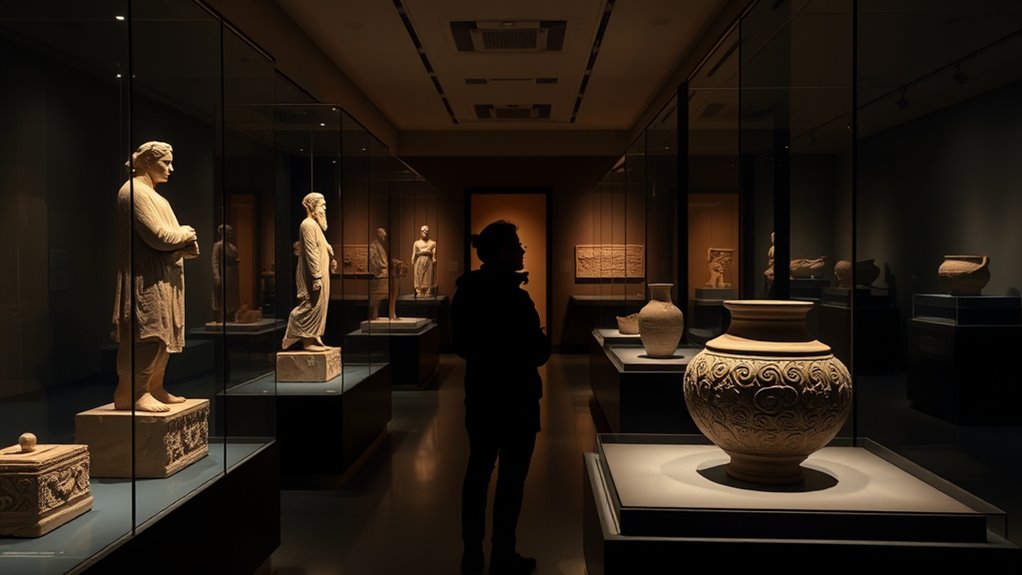

When considering replicas and 3D-printed heritage artifacts, you must navigate issues of authenticity, cultural respect, and legal rights. Replicas can make art accessible, but mass-produced copies might undermine the value of original artifacts. Ethical concerns also involve transparency about whether an item is authentic or a reproduction, respecting cultural sensitivities, and avoiding cultural appropriation. If you explore further, you’ll uncover how these debates shape responsible practices in heritage preservation.
Prime for Young Adults — start your free trial
Fast free delivery, streaming and member deals for eligible 18–24 year olds.
As an affiliate, we earn on qualifying purchases.
Key Takeaways
- Ethical concerns focus on authenticity, transparency, and respecting the cultural significance of original artifacts when creating replicas.
- Use of materials and techniques impacts perceptions of legitimacy and cultural sensitivity in 3D-printed reproductions.
- Ownership rights and cultural sensitivities may be compromised without proper permissions or context, risking cultural misappropriation.
- Replicas democratize access but can dilute the value and authenticity of original heritage objects if misrepresented.
- Ethical frameworks emphasize balancing preservation, legal compliance, and transparency in the production and distribution of 3D-printed heritage reproductions.

As 3D printing technology becomes more accessible, ethical questions surrounding the creation of replicas grow increasingly complex. When you consider reproducing artifacts, artworks, or cultural heritage items, you’re faced with authenticity dilemmas. These dilemmas challenge your understanding of what makes an object genuinely valuable or meaningful. Is a replica just a copy, or can it serve as a legitimate stand-in that preserves the essence of the original? The concern is that mass-produced replicas might undermine the unique significance of authentic artifacts, especially when they’re used for display or educational purposes. If the original piece is irreplaceable or fragile, a well-made replica can offer access without risking damage, but it also raises questions about whether it’s appropriate to present a copy as the real thing. Additionally, the materials and techniques used in replicas can influence their perceived authenticity and value.
Ownership rights are another critical issue you encounter in this domain. When creating or distributing replicas, who truly owns the rights to the original artifact? Often, cultural or national institutions claim stewardship over certain items, but digital reproduction complicates this authority. If you produce a replica of a famous sculpture or artifact, are you infringing on intellectual property rights or cultural sensitivities? The line between preservation and appropriation can blur when replicas are made without proper approval or context. Moreover, the legal landscape varies across jurisdictions, making it difficult to establish clear guidelines. You might worry about whether your efforts to preserve or share heritage through replicas could unintentionally violate ownership rights or diminish the cultural value of the original.
This tension between authenticity and replication challenges traditional notions of ownership and authenticity. While replicas can democratize access, they also risk diluting the significance of original artifacts, especially when replicas are mistaken for authentic pieces. As you navigate this landscape, it’s essential to consider not only the technological possibilities but also the ethical responsibilities involved. Respect for cultural heritage, legal compliance, and transparency about whether an object is an original or a reproduction are crucial. Ultimately, you must balance the benefits of broad access and preservation with respect for the rights of creators and the cultural importance of authentic artifacts. This ongoing debate underscores the need for clear ethical frameworks to guide your actions in the rapidly evolving world of 3D printing and replicas. Recognizing the importance of cultural heritage preservation can help inform ethical decisions and foster respectful practices.
3D printed heritage artifact replicas
As an affiliate, we earn on qualifying purchases.
As an affiliate, we earn on qualifying purchases.
Frequently Asked Questions
How Do Replicas Impact the Value of Original Artifacts?
Replicas can impact the value of original artifacts by raising authenticity concerns, making some people question their uniqueness. While replicas help protect cultural significance by allowing broader access, they might also reduce the perceived rarity of genuine pieces. You might find that the presence of high-quality replicas shifts focus away from originals, emphasizing their importance as cultural symbols over monetary or collectible value.
What Legal Issues Surround the Reproduction of Heritage Items?
Reproducing heritage items is like walking a tightrope, balancing respect and legality. You must navigate intellectual property laws and cultural ownership rights carefully. Reproductions may infringe on copyrights or violate cultural claims if not authorized, risking legal repercussions. Always guarantee you have proper permissions, recognize the cultural significance, and respect ownership rights. Ignoring these issues can lead to legal disputes, tarnishing your reputation and the integrity of the heritage community.
Can 3d-Printed Replicas Be Considered Authentic?
You might wonder if 3D-printed replicas are truly authentic. While they can replicate the visual and physical aspects, they often lack the digital authenticity and cultural significance of original artifacts. These replicas serve educational or preservation purposes but may not carry the same historical or emotional value. Ultimately, their authenticity depends on the context; they’re valuable tools, but not substitutes for genuine heritage items.
How Do Museums Regulate the Use of Replicas?
Museums regulate the use of replicas by ensuring they provide authentic representation and uphold cultural sensitivity. You’ll find policies that clearly distinguish between original artifacts and replicas, often including labels or signage. These regulations help prevent misrepresentation and respect cultural significance. By adhering to these standards, museums maintain transparency and trust, allowing visitors to appreciate genuine heritage while recognizing the educational value of high-quality replicas.
What Are the Environmental Impacts of 3D Printing in Preservation?
You might think 3D printing’s environmental impact is minimal, but it actually consumes significant energy, especially with high-detail prints. Using sustainable materials can reduce waste and pollution, yet energy consumption remains a concern. To mitigate environmental harm, prioritize eco-friendly filaments and efficient printers. While 3D printing aids preservation, being mindful of its energy demands and material choices helps ensure it remains a sustainable practice.
As an affiliate, we earn on qualifying purchases.
Conclusion
As you stand before a perfectly crafted replica, imagine the ancient stone beneath your fingertips, the history alive in every detail. While 3D printing breathes new life into heritage, it also raises questions about authenticity and respect. You hold the power to preserve or distort our past—so tread carefully. Let your choices reflect reverence for history’s true essence, ensuring these digital echoes honor the stories etched in time, not just the images on a screen.
cultural heritage reproduction models
As an affiliate, we earn on qualifying purchases.
As an affiliate, we earn on qualifying purchases.
museum-quality replica sculptures
As an affiliate, we earn on qualifying purchases.
As an affiliate, we earn on qualifying purchases.
Flea & tick season Picks
flea and tick prevention
As an affiliate, we earn on qualifying purchases.