When you hear “archival” print, it often promises long-lasting quality, but the truth is numbers and standards matter. True archival prints use acid-free papers, lightfast inks, and proven preservation techniques that resist fading and deterioration over time. However, labels alone don’t guarantee longevity—proper storage and care are essential. To truly understand what makes a print archival and how to protect it, keep exploring these key details.
Key Takeaways
- “Archival” indicates materials meet standards for longevity, such as acid-free papers and lightfast pigments, but doesn’t guarantee indefinite preservation.
- Proper storage, handling, and environmental controls are essential for truly preserving archival prints over time.
- Certifications like ASTM D4236 or ISO 9706 validate archival quality, but labels alone don’t prevent deterioration.
- High-quality inks, materials, and framing enhance durability, yet regular maintenance is vital for long-term preservation.
- Digital backups complement physical archival prints, ensuring image preservation regardless of physical deterioration.
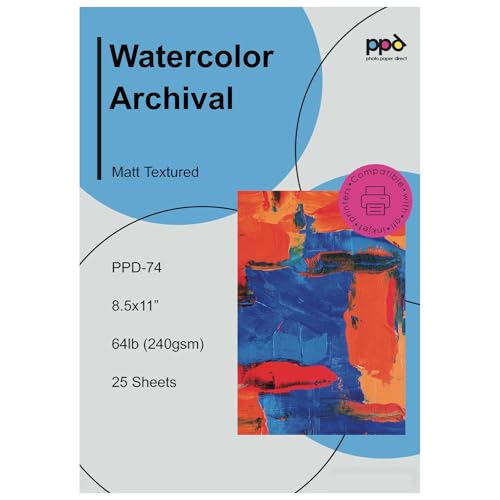
PPD Watercolor Printer & Printable Fine Art Paper for Inkjet Printer, Textured Giclee Archival Acid Free Paper 8.5 x 11, Professional Grade, Heavyweight 240 gsm/64 lb (25 Sheets)`
High Quality Inkjet Watercolor Paper: This premium 8.5 x 11 inch, 240 gsm (64 lb) fine art paper…
As an affiliate, we earn on qualifying purchases.
As an affiliate, we earn on qualifying purchases.
What Does “Archival” Really Mean in Printing?

When you see the term “archival” in printing, it’s meant to suggest that the print will last a long time without fading or deteriorating. But it’s more than just durability; it also implies a respect for the work’s historical significance and artistic value. An archival print preserves not only the image but the story and emotion behind it, ensuring future generations can appreciate its importance. The term signals that the materials and processes used meet strict standards for longevity for print preservation, safeguarding both the cultural and artistic integrity of the piece. Additionally, the materials and processes involved are carefully selected to minimize environmental impact while maximizing preservation. Understanding free floating techniques can also enhance the way artwork is displayed and appreciated over time. Employing proper storage methods is essential to maintain the integrity of archival prints and ensure their longevity. Incorporating quality control measures during production further ensures the print’s durability and consistency over time. So, when you choose an archival print, you’re investing in a medium that honors the past, maintains its artistic essence, and ensures its story remains vibrant over time.
HP Envy 6155e Wireless All-in-One Color Inkjet Printer, Portobello, Print, scan, copy, Duplex printing Best-for-home, 3 month Instant Ink trial included, AI-enabled (714L5A)
The Envy 6155e is perfect for homes printing everyday quality color documents like homework and borderless photos. Print…
As an affiliate, we earn on qualifying purchases.
As an affiliate, we earn on qualifying purchases.
Materials That Ensure Longevity in Archival Prints

To guarantee your prints last, choosing the right materials is vital. You’ll want to focus on acid-free papers, lightfast inks, and archival-quality printing methods. These elements work together to maximize your print’s longevity and preserve its quality over time. Additionally, selecting papers with appropriate texture and weight can influence both the durability and overall aesthetic of your prints. Using advanced printing techniques can further enhance the archival properties of your artwork. Incorporating traditional Italian gelato techniques in your presentation can also enhance the perceived value and appeal of your artwork. Understanding specialized market offerings can help you select materials that meet the highest standards of archival quality, ensuring your prints remain vibrant for years to come. Paying attention to material composition is essential, as it directly impacts the preservation and visual integrity of your prints over extended periods.
Acid-Free Paper Options
Choosing the right paper is essential for guaranteeing your prints stand the test of time. Acid-free paper options are your best choice for durability and longevity. These papers are designed to resist deterioration caused by acidity, which can cause discoloration and breakdown over time. When selecting paper, consider canvas textures if you plan to display your artwork with framing techniques that highlight texture and depth. Acid-free papers come in various finishes, from smooth to textured, allowing you to match your desired aesthetic. Properly chosen paper not only preserves your print’s quality but also enhances its visual appeal. Additionally, understanding the acid-free paper’s composition can help you make more informed choices for your artwork’s preservation. Recognizing the importance of material stability can further ensure your prints remain vibrant and intact for years to come. Incorporating archival-quality adhesives can also help prevent damage over time, maintaining the integrity of your prints. Selecting adhesives that are acid-free and pH-neutral is crucial to prevent any chemical reactions that could harm your artwork over time, especially considering the potential impact of microplastics in dust and other environmental factors on long-term preservation.
Lightfast Ink Technologies
Lightfast ink technologies play an essential role in guaranteeing your prints maintain their vibrancy over time. When creating vintage reproduction pieces or performing digital restoration, using inks with high lightfastness prevents fading and color shifting. These advanced inks contain pigments designed to resist UV rays and environmental factors, making them ideal for archival-quality prints. If you want your artwork to stand the test of time, selecting lightfast inks guarantees longevity and preserves the integrity of your images. Proper testing methods are crucial to verify measurement accuracy, ensuring you select the most durable ink options. Whether restoring a classic photograph or producing a contemporary piece inspired by vintage styles, reliable ink technology is vital. This ensures your efforts in digital restoration or reproduction remain visually striking for decades, truly honoring the timeless quality you aim to achieve.
Archival-Quality Printing Processes
Selecting the right materials is crucial for achieving truly archival-quality prints that last for generations. Using vintage techniques, like traditional hand-pressed processes, can enhance longevity when combined with modern materials. Guarantee your digital file formats are high-resolution and lossless, such as TIFF or PNG, to prevent degradation over time. Choose acid-free, lignin-free papers and inks formulated for archival use, which resist fading and deterioration. Incorporating these materials into your printing process guarantees that your artwork remains vibrant and intact for decades. Proper selection of printing processes not only preserves your image’s integrity but also affirm its value as a lasting piece of art. Additionally, understanding wave and wind conditions can influence how well outdoor archival prints withstand environmental factors over time, especially when using eco-friendly materials designed for outdoor durability. Being aware of environmental factors can help you select the most suitable materials and protective coatings for outdoor displays, ensuring their longevity in varying climate conditions. To optimize durability, consider implementing protective coatings that add an extra layer of defense against environmental stressors.

Lineco Museum Archival Storage Box, 9.75×12.75×3 in. Drop Front Design. Acid-Free with Metal Edge. Organize Photos, Pictures, Prints, Documents, Crafts, DIY. Gray, 1 Pack
Brand Background: Lineco is a leading and trusted brand for archival quality art, photography, and framing supplies
As an affiliate, we earn on qualifying purchases.
As an affiliate, we earn on qualifying purchases.
What Standards Define a Truly Archival Print?
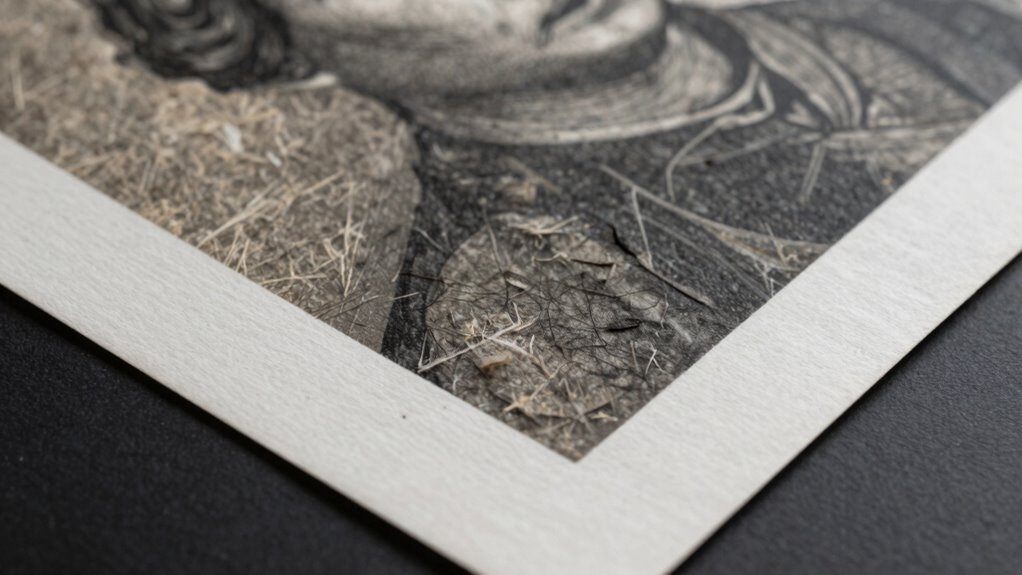
To be considered truly archival, your print should use acid-free materials that won’t deteriorate over time. You also want lightfast pigments that resist fading when exposed to light, ensuring your image stays vibrant. Ultimately, durability is key, so the materials and methods used must support long-term preservation without compromise. Additionally, understanding material longevity can help you choose the best options for lasting quality. Knowing how material degradation occurs over time can further inform your selection of truly archival materials.
Acid-Free Materials
Because acid can cause paper to deteriorate over time, using acid-free materials is vital for creating truly archival prints. Acid-free papers and mounting substrates resist deterioration, helping your photos stand the test of time. When selecting materials, look for those with archival certification to guarantee they meet industry standards for longevity and stability. These materials prevent yellowing, brittleness, and fading, which are detrimental to photo preservation. Using acid-free options demonstrates your commitment to maintaining your images’ integrity over generations. It’s a simple yet fundamental step that aligns with the goals of archival quality. By choosing acid-free materials, you safeguard your prints from acid-related damage, ensuring they remain vibrant and intact long after their creation.
Lightfast Pigments
Lightfast pigments are key to guaranteeing your prints withstand the test of time, maintaining their vibrant colors for decades. When choosing materials, look for pigments rated for high lightfastness, which resist fading under exposure to light. This ensures your artwork remains true to its original color accuracy over the years. Proper framing techniques also play a role in protecting your print; using UV-protective glass and avoiding direct sunlight helps preserve the vibrant hues. Without lightfast pigments, even the best framing can’t prevent fading caused by light exposure. By prioritizing high-quality, lightfast inks and thoughtful framing, you safeguard your print’s appearance, ensuring it remains a beautiful, lasting piece of art that truly lives up to the “archival” standard.
Long-Term Durability
Achieving true archival quality means your prints can withstand the test of time without significant deterioration. Long-term durability depends on using materials that resist fading and environmental damage. High-quality canvas textures add to this resilience, especially when combined with proper coatings. Printing resolution plays an essential role; a higher resolution ensures sharp, detailed images that won’t degrade quickly. Look for prints made with acid-free papers and stable inks that meet industry standards like ASTM D4236 or ISO 9706. These standards guarantee that your prints will endure for decades, maintaining color accuracy and clarity. Remember, even the best materials need proper storage and display conditions to maximize longevity. When these factors come together, you create a truly archival print that stands the test of time.

Lineco 4 Inches See-Through Archival Polyester Mounting Strips. Acid-Free, Framing Photos, Hinge-Less, Sturdy, Safe, Conservation, Easy, Artwork, Craft, DIY. (Pack of 60)
HIGH QUALITY: Sturdy and safe, these mounting strips are made from conservation quality archival polyester (Melinex or equivalent)…
As an affiliate, we earn on qualifying purchases.
As an affiliate, we earn on qualifying purchases.
Printing Techniques That Ensure Durability
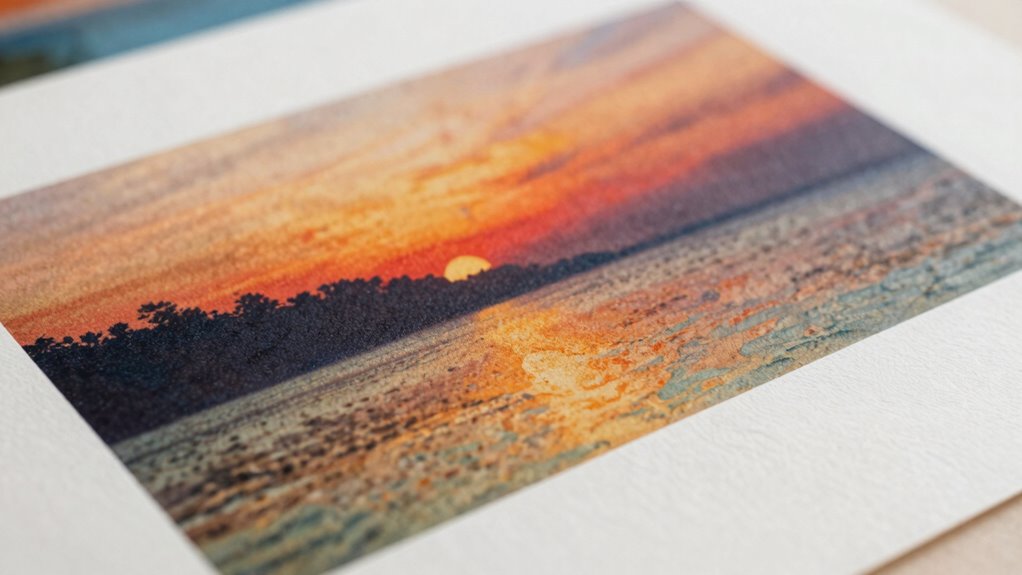
To guarantee your prints stand the test of time, choosing the right printing techniques is essential. Opt for high-quality pigments and acid-free papers to enhance longevity. Use printing methods like giclée or pigment-based inks, which resist fading and environmental damage better than dye-based inks. Proper framing techniques also play a vital role; ensure you use UV-protective glass and acid-free mats to prevent deterioration. Additionally, consider how display lighting affects your artwork. Avoid direct sunlight and harsh artificial light, opting instead for low-intensity, UV-filtered lighting to minimize fading. These combined techniques help preserve your prints’ color integrity and material strength over decades, ensuring your artwork remains vibrant and durable for years to come.
How to Identify an Archival Print

Identifying an archival print involves examining its materials and printing method to guarantee long-term durability. First, look for evidence of material certification—trustworthy prints use certified, acid-free papers or canvas that meet archival standards. Check if the ink or pigment used offers high print permanence, resisting fading over time. Manufacturers often label their products with certification details or certificates of authenticity, confirming they meet archival criteria. Be cautious of prints that use generic or unverified materials, as they’re less likely to last. Quality archival prints typically have a consistent, high-quality appearance without visible deterioration or discoloration. By verifying the material certification and understanding the importance of print permanence, you can confidently distinguish true archival prints from lesser-quality reproductions.
Are All Archival Prints Equally Durable?

While many prints claim to be archival, not all are equally durable over time. The longevity of your print depends heavily on material quality and how well it resists environmental factors like light, humidity, and pollutants. Higher-quality materials, such as acid-free papers and pigment-based inks, generally offer better durability, ensuring your artwork remains vibrant for decades. However, cheaper materials may degrade faster, fading or yellowing long before you expect. It’s essential to understand that “archival” doesn’t guarantee equal longevity across different products. Some prints may last a century, while others start to deteriorate in just a few decades. To maximize print longevity, always choose reputable brands with proven material quality and ask about their preservation standards.
The Difference Between Archival and Non-Archival Prints
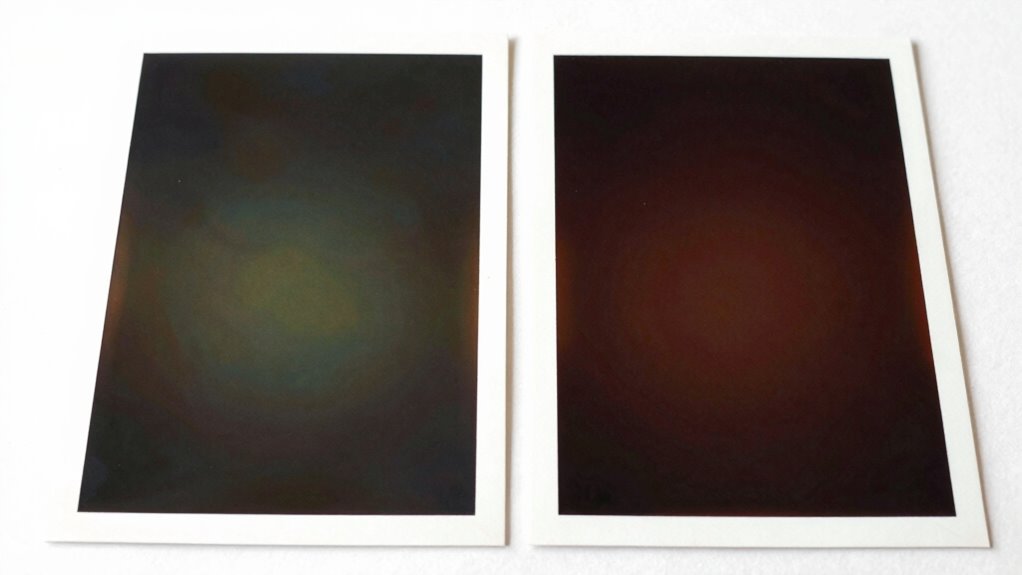
Have you ever wondered what truly sets archival prints apart from non-archival ones? The main difference lies in quality and longevity. Museum-quality, fine art prints are made with high-quality materials designed to last for generations. They use acid-free papers and fade-resistant inks, ensuring your image remains vibrant over time. Non-archival prints, on the other hand, often rely on cheaper materials that degrade faster, leading to fading, discoloration, and deterioration. Archival prints are specifically crafted to meet strict standards for durability, making them ideal for collectors and enthusiasts who want their artwork to stand the test of time. If you value long-lasting, high-quality presentation, understanding this distinction helps you choose prints that truly maintain their beauty over decades.
Tips for Preserving Your Archival Prints Over Time

To keep your archival prints looking their best, you need to handle them carefully and avoid fingerprints or damage. Store them in ideal conditions, away from direct sunlight, heat, and humidity. Regularly check and clean your prints to guarantee they stay vibrant and intact over time.
Proper Handling Techniques
Handling your archival prints properly is essential to guarantee they stay in pristine condition over time. Start by choosing appropriate framing techniques, such as using acid-free mats and UV-protective glass, to shield your prints from damage. When displaying your artwork, consider the impact of display lighting; avoid direct sunlight and harsh artificial lights that can cause fading. Keep your prints away from heat sources and areas with high humidity to prevent warping or deterioration. Always handle prints with clean, dry hands or wear cotton gloves to avoid transferring oils and dirt. Limit unnecessary touching and ensure your display environment minimizes exposure to pollutants. By paying attention to framing and lighting, you notably extend the lifespan of your archival prints.
Optimal Storage Conditions
Maintaining ideal storage conditions is essential for preserving your archival prints over time. To guarantee longevity, follow museum preservation standards by storing prints in a cool, dry environment with stable temperature and humidity levels. Avoid exposure to direct sunlight and fluorescent lighting, which can cause fading. Use acid-free, archival-quality materials like storage boxes and sleeves to prevent chemical deterioration. Digital archiving complements physical storage by creating high-resolution backups, safeguarding your images from physical damage. Keep prints away from pollutants, such as dust and airborne acids, that can accelerate deterioration. Regularly monitor storage conditions, and consider climate-controlled environments for valuable or fragile pieces. By adhering to these best practices, you’ll extend the life of your archival prints and maintain their quality for generations.
Regular Maintenance Practices
Regular inspection and gentle cleaning are essential for preserving your archival prints over time. Regularly check for signs of deterioration, such as fading, discoloration, or physical damage. When cleaning, use soft, lint-free cloths, avoiding harsh chemicals that could harm the print. Proper frame preservation is vital; ensure your frames are acid-free and sealed to prevent dust and light exposure. Keep prints out of direct sunlight and in stable environmental conditions to reduce deterioration. For long-term protection, consider digital archiving your images—scanning high-quality copies ensures you have backups if physical prints suffer damage. Consistent maintenance helps extend the life of your prints, maintaining their quality and value for years to come. Regular care is key to safeguarding your collection.
Common Myths and Misconceptions About Archival Labels
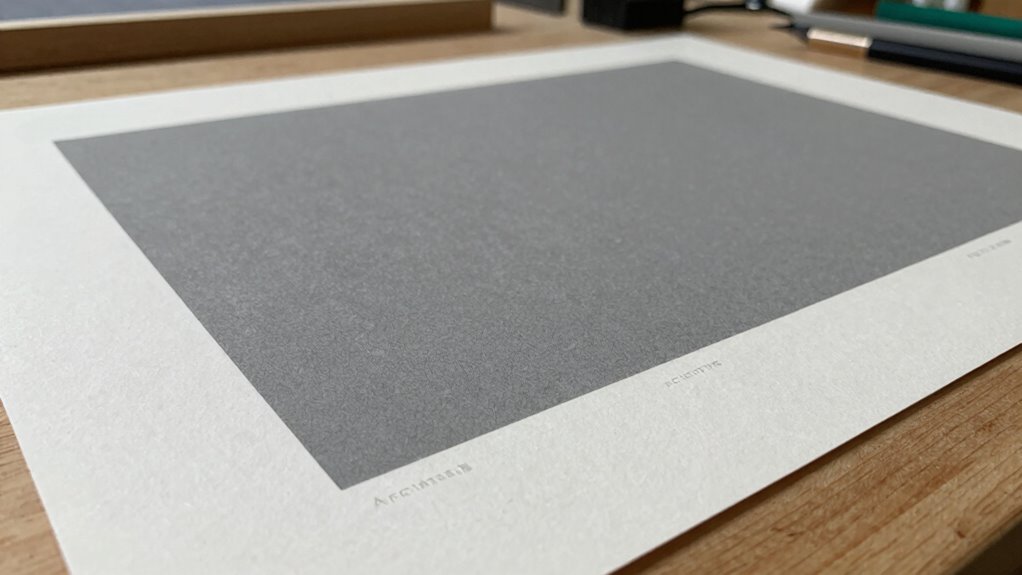
Many people believe that simply having an archival label guarantees their print will last forever, but this isn’t true. An archival label indicates that the materials used meet certain standards, but it doesn’t automatically guarantee maximum print longevity or material preservation over time. Misconceptions often lead you to think that the label alone can prevent deterioration, yet factors like exposure to light, humidity, and handling play critical roles. Even with a proper label, if your print isn’t stored or displayed correctly, its lifespan can be compromised. It’s important to understand that archival labels are just part of a broader preservation strategy. True material preservation depends on using high-quality papers, inks, and proper environmental controls, not labels alone.
When Is It Worth Investing in Genuine Archival Prints?
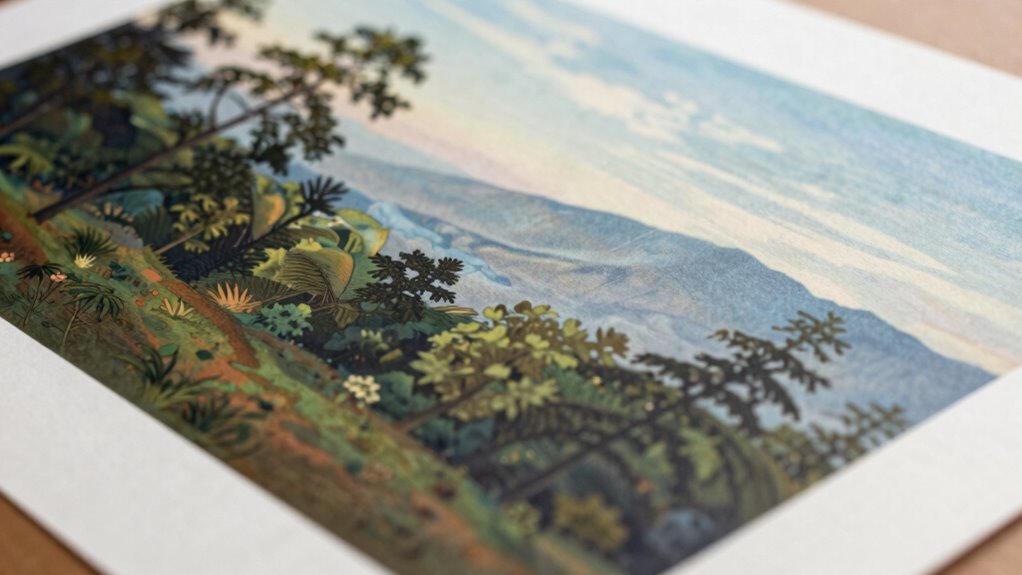
Investing in genuine archival prints makes the most sense when your collection holds significant personal or monetary value. If you want your artwork to stand the test of time and maintain its quality, authentic archival materials are essential. Consider these situations:
Choose authentic archival prints to preserve valuable artwork for generations.
- For pieces that you plan to pass down or display in a long-term setting, where art conservation is a priority.
- When you desire a true, lasting image that can’t be matched by digital reproduction, especially for valuable or irreplaceable works.
- If you’re seeking peace of mind that your collection remains stable and vibrant over decades, making genuine archival prints a smart choice.
In these cases, investing in authentic materials ensures preservation and longevity, far beyond what digital reproduction alone can offer.
Frequently Asked Questions
How Long Do Archival Prints Typically Last Before Showing Signs of Deterioration?
Archival prints typically last between 50 to 100 years before showing signs of deterioration, depending on material durability and storage conditions. If you keep them away from direct sunlight, humidity, and pollutants, their print longevity improves markedly. Proper framing and using acid-free materials also help preserve their quality over time. By taking these precautions, you can enjoy your archival prints for many decades without worry.
Are There Specific Brands Known for Producing the Highest Quality Archival Prints?
You’ll find that brands like Hahnemühle, Ilford, and Epson have strong reputations for producing high-quality archival prints. These brands are known for their consistent print quality and durability, making them reliable choices. Their focus on print consistency guarantees your images look exceptional every time. When choosing a brand, consider their reputation for longevity and color accuracy, so your prints stand the test of time without fading or deterioration.
Can Non-Archival Prints Be Made to Last Longer With Special Treatments?
Yes, you can extend the lifespan of non-archival prints using preservation techniques. Applying protective coatings, such as UV-resistant varnishes or laminates, helps improve print longevity by shielding against light, moisture, and pollutants. Proper storage, like framing with UV glass and keeping prints away from direct sunlight, also preserves their quality over time. These treatments and methods can markedly slow deterioration and keep your prints looking vibrant longer.
Do Digital Files Need Special Formatting for Creating Archival Prints?
Did you know that improper digital file formatting can reduce print longevity by up to 50%? You need to guarantee your digital files are in high-quality formats like TIFF or PDF for archival prints. Proper color management is essential too, as it guarantees accurate color reproduction and prevents fading. By using the right digital file formats and consistent color management, you’ll create archival prints that last for decades without fading or deterioration.
What Role Do Environmental Conditions Play in the Longevity of Archival Prints?
Environmental conditions play a vital role in how long your archival prints last. You should limit UV exposure, as sunlight can cause fading over time. Maintaining proper humidity control prevents warping or mold growth, which can damage your prints. Keep your artwork in a stable environment with consistent temperature and humidity levels, and avoid direct sunlight to guarantee your prints stay vibrant and intact for many years.
Conclusion
Just like the ancient manuscripts preserved in secret vaults, genuine archival prints stand the test of time when you choose the right materials and techniques. Don’t be fooled by labels that promise longevity without substance. By understanding what makes a print truly archival, you’re safeguarding your art’s legacy—ensuring it endures like the timeless stories etched into history. So, invest wisely and keep your treasures alive for generations to come.