
TL;DR
A collection of 1,300 detailed wildlife illustrations from the 19th century has been restored and is now available online. The project aims to preserve historical artwork and enhance public access to vintage natural history imagery.
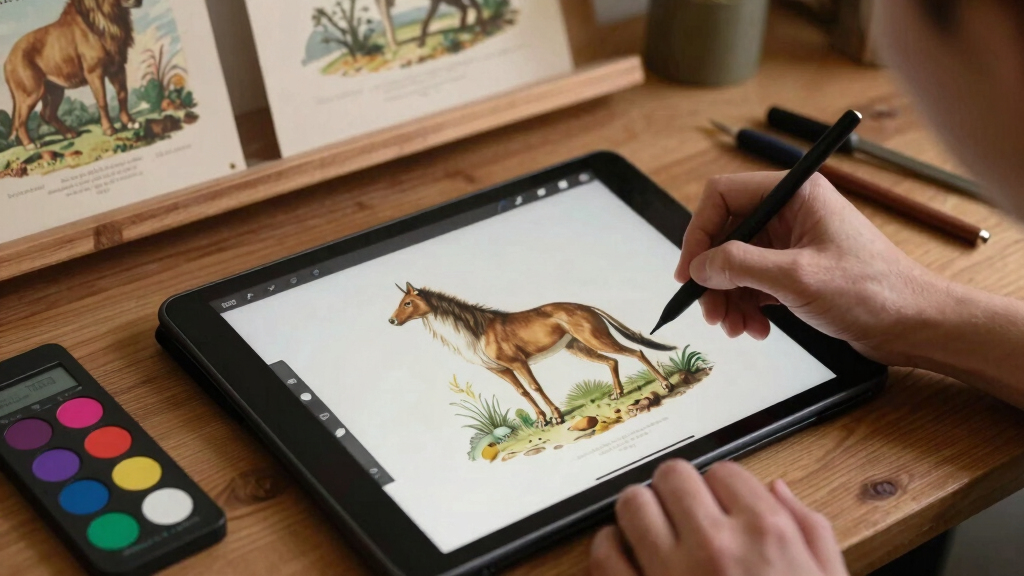
More than 1,300 detailed wildlife illustrations from the 19th century have been fully restored and are now available online, marking a significant effort to preserve and share historical natural history artwork. The project, undertaken by a team of conservators and digital archivists, aims to make these vintage images accessible to researchers, educators, and the public.

Get art and craft supplies delivered free with Prime
- Fast, free delivery on millions of items
- Prime Video, Amazon Music and more included
- Member-only deals all year
The collection includes illustrations of various animals, birds, insects, and marine life, originally created by 19th-century naturalists and artists. The restoration process involved careful digital cleaning, color correction, and preservation techniques to ensure the images’ longevity and accuracy. The images are now hosted on a dedicated online platform, allowing users to view high-resolution versions and download selected works.
According to the project lead, Dr. Emily Carter, the restoration was necessary due to the deterioration of original prints and the limitations of previous digitization efforts. She noted that the collection provides a valuable glimpse into 19th-century scientific illustration and natural history documentation. The project was funded by a combination of grants from cultural heritage organizations and private donors.
Why Restoring 19th Century Wildlife Art Matters
This restoration effort preserves an important visual record of biodiversity from the 19th century, offering insights into historical species distributions and scientific understanding. It also enhances access to vintage artwork that was previously confined to physical archives, supporting education, research, and public engagement with natural history. The project underscores the importance of digital preservation in safeguarding cultural and scientific heritage for future generations.
Popular right now

Breville Barista Express Manual Espresso Machine with Built-In Grinder, Brushed Stainless Steel

Philips 5500 Series Fully Automatic Espresso Machine with LatteGo Milk System

Vitamix Nano Personal Blender with SmoothiePilot Technology, Black
As an affiliate, we earn on qualifying purchases.
Historical Background of 19th Century Natural History Illustrations
During the 19th century, naturalists and artists collaborated to produce detailed illustrations of flora and fauna, often for scientific publications and museums. These images played a crucial role in documenting species before modern photography became widespread. Over time, many original prints have suffered deterioration due to age and handling, limiting their accessibility. Recent efforts in digital restoration aim to address these challenges by preserving and disseminating these works widely.
“Restoring these illustrations allows us to connect with the scientific and artistic efforts of the 19th century, ensuring these images are preserved for future generations.”
— Dr. Emily Carter
Remaining Questions About the Restoration Process and Access
It is not yet clear how many original prints were used as sources for the digital restorations or whether some images remain in fragile condition. Details about ongoing maintenance or future expansions of the digital archive are still being developed. Additionally, the extent of public engagement and educational programs based on the collection is still to be determined.
Next Steps for Public Access and Educational Use
The restored collection is now live on an online platform, with plans to promote its use in academic research, museum exhibits, and educational programs. Future initiatives may include creating interactive features, expanding the collection with related works, and organizing exhibitions to showcase the illustrations physically. The project team also intends to monitor the digital archive’s usage and gather feedback for continuous improvement.
Key Questions
How can I access the restored wildlife illustrations?
The collection is available on a dedicated online platform, where users can view high-resolution images and download selected illustrations for educational or research purposes.
Are the original prints preserved or displayed anywhere?
While the digital collection is publicly accessible, the original prints are preserved in select museums and archives, with some on display as part of special exhibitions.
What animals are included in the collection?
The collection features illustrations of mammals, birds, insects, marine life, and other species documented by 19th-century naturalists.
Will there be physical exhibitions of these illustrations?
Future plans include organizing physical exhibitions and educational programs to showcase the artwork beyond the digital platform.
How was the restoration process carried out?
The restoration involved digital cleaning, color correction, and high-resolution scanning by a team of conservators and digital archivists, ensuring the images’ preservation and clarity.
Source: hn