TL;DR

Get art and craft supplies delivered free with Prime
- Fast, free delivery on millions of items
- Prime Video, Amazon Music and more included
- Member-only deals all year
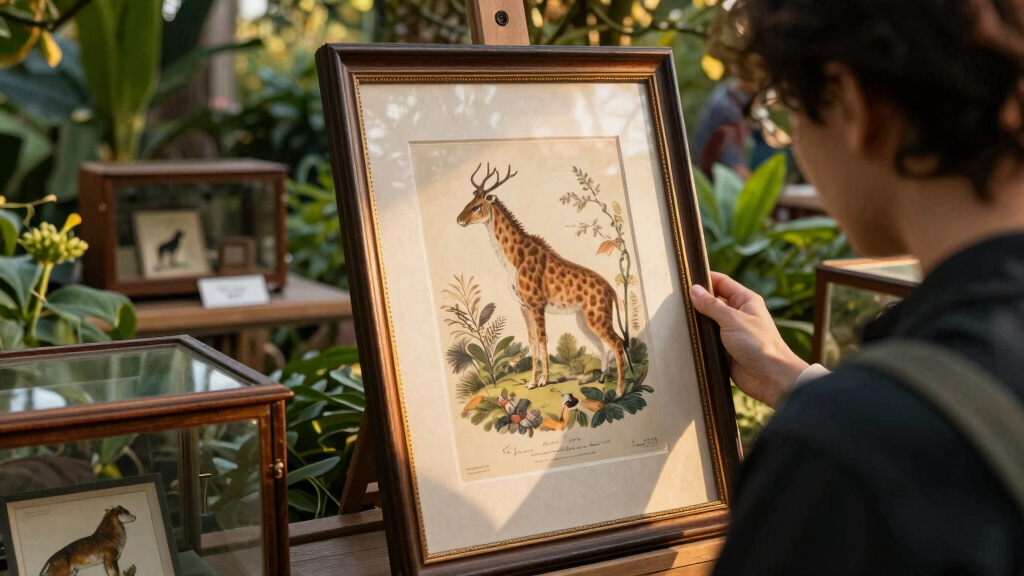
A collection of 1,300 detailed wildlife illustrations from the 19th century has been restored and made accessible to the public. The project aims to preserve historical biodiversity art and improve access for researchers and enthusiasts.
Over 1,300 detailed wildlife illustrations from the 19th century have been fully restored and are now available online, offering a valuable resource for historians, researchers, and nature enthusiasts. The project, led by the Biodiversity Heritage Foundation, aims to preserve and showcase these historic artworks, which depict a wide range of species with scientific accuracy and artistic detail.
The collection includes illustrations created by renowned naturalists and artists during the 1800s, many of which had deteriorated over time. The restoration process involved advanced digital techniques to repair damages, enhance details, and ensure historical accuracy. According to the Biodiversity Heritage Foundation, the project took approximately two years to complete, involving conservation specialists and digital artists.
These illustrations cover a broad spectrum of wildlife, from common species to rare and extinct animals, providing a visual record of biodiversity from that era. The restored images are now hosted on a dedicated online platform, allowing free access to the public and researchers worldwide. The initiative aims to support educational efforts and historical research, as well as inspire contemporary conservation awareness.
Why Restoring 19th-Century Wildlife Art Matters Today
The restoration of these illustrations preserves a vital part of scientific and artistic history, offering insights into 19th-century biodiversity and naturalist perspectives. It also enhances access to rare visual records that can inform current conservation efforts and scientific studies. The project underscores the importance of digital preservation in safeguarding cultural heritage against deterioration and loss, making these images available for future generations.
19th century wildlife illustration prints
As an affiliate, we earn on qualifying purchases.
As an affiliate, we earn on qualifying purchases.
Historical Value and Past Preservation Challenges of Wildlife Art
During the 19th century, many naturalists and artists produced detailed illustrations to document animal species, often for scientific journals and natural history collections. Over time, many of these works suffered physical deterioration due to age, handling, and environmental factors. Prior to this restoration project, access to these images was limited to physical archives, which restricted their use for research and public education. Recent advances in digital restoration techniques have enabled conservationists to repair and enhance such artworks without risking further damage.
“This project not only preserves artistic beauty but also safeguards a crucial scientific record of our natural world from the 19th century.”
— Dr. Emily Carter, Chief Conservator at the Biodiversity Heritage Foundation
restored vintage animal art posters
As an affiliate, we earn on qualifying purchases.
As an affiliate, we earn on qualifying purchases.
Remaining Questions About the Restoration Process and Accessibility
It is not yet clear how many of the original artworks were damaged beyond repair or how the digital restoration process addressed specific issues like color accuracy and detail preservation. Additionally, details about future updates or expansions of the collection have not been announced. Researchers are awaiting further information on whether physical copies will be preserved or displayed in museums.
biodiversity historical artwork book
As an affiliate, we earn on qualifying purchases.
As an affiliate, we earn on qualifying purchases.
Next Steps for Public Access and Ongoing Conservation Efforts
The online platform hosting the restored illustrations is expected to be fully operational by mid-2024, with plans to include educational resources and interactive features. The Biodiversity Heritage Foundation has indicated that they may expand the collection with additional historical artworks and collaborate with educational institutions to incorporate these images into curricula. Further research into the restoration techniques used and potential physical exhibitions are also anticipated.
natural history illustration wall art
As an affiliate, we earn on qualifying purchases.
As an affiliate, we earn on qualifying purchases.
Key Questions
Are the restored illustrations available to the public now?
Yes, the illustrations are now accessible through the Biodiversity Heritage Foundation’s online platform, free for public viewing and research.
What species are depicted in these illustrations?
The collection features a wide range of species, including common animals, rare species, and extinct animals from the 19th century.
How were the illustrations restored?
Digital restoration techniques involving advanced imaging and repair software were used to repair damages and enhance details while preserving authenticity.
Will physical copies of these illustrations be displayed in museums?
It has not been confirmed whether physical copies will be exhibited; current efforts focus on digital accessibility and preservation.
Are there plans to expand this collection?
Future plans may include adding more historical artworks and collaborating with educational institutions, but specific details have not yet been announced.
Source: hn
Halloween Picks
halloween
As an affiliate, we earn on qualifying purchases.