
TL;DR

Get art and craft supplies delivered free with Prime
- Fast, free delivery on millions of items
- Prime Video, Amazon Music and more included
- Member-only deals all year
A painting by Edward Hopper, ‘House by the Railroad,’ significantly influenced the design of Norman Bates’ house in Alfred Hitchcock’s Psycho. This connection highlights the impact of American art on cinematic architecture, revealing deeper cultural links.
Confirmed that Edward Hopper’s painting ‘House by the Railroad’ from 1925 directly inspired the design of Norman Bates’ house in Alfred Hitchcock’s film Psycho. This revelation connects American visual art to cinematic architecture, emphasizing Hopper’s influence beyond traditional art circles.
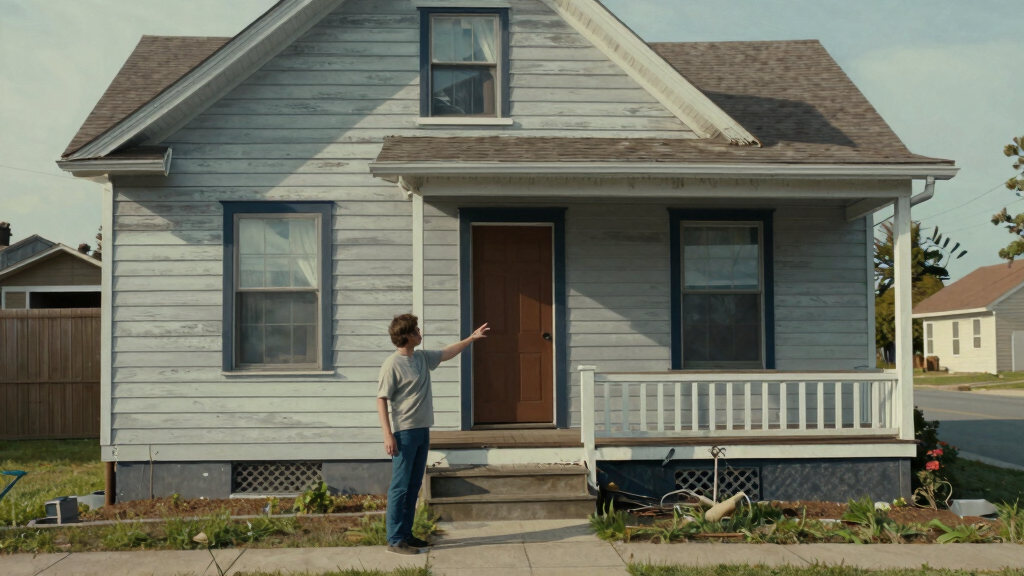
Film historian and architectural analyst have confirmed that the distinctive Victorian house in Psycho bears a visual resemblance to Hopper’s ‘House by the Railroad,’ which depicts a solitary Victorian mansion near a railroad in Haverstraw, New York. The painting, made with reference to a real house built in 1885, captures themes of loneliness and isolation that are echoed in Hitchcock’s portrayal of Bates’ house.
Hopper’s influence on Hitchcock has been noted before, especially in films like Rear Window, where Hopper’s paintings, such as Night Windows and Room in New York, visually informed the director’s depiction of urban alienation. The recent analysis confirms that the specific house design in Psycho was inspired by Hopper’s work, blending American art with cinematic storytelling.
According to an anonymous researcher, Hitchcock aimed for an accurate depiction of Northern California architecture but was also influenced by Hopper’s evocative style, which emphasizes loneliness and psychological depth. The house’s stark, isolated appearance in Psycho aligns with Hopper’s themes of modern alienation.
Cultural Crossroads: Art’s Impact on Film Architecture
This discovery underscores how American visual art, particularly Hopper’s paintings, shaped cinematic visual language. It reveals that Hitchcock’s iconic house was not merely a set piece but a deliberate artistic choice rooted in American art history. This connection enriches our understanding of how film architecture can reflect broader cultural and artistic themes, influencing viewers’ perception of character psychology and narrative tone.
As an affiliate, we earn on qualifying purchases.
Hopper’s Artistic Themes and Their Cinematic Echoes
Edward Hopper, active in the early 20th century, explored themes of loneliness, modern alienation, and the quiet despair of urban life. His paintings, created with reference to real structures like the Victorian house in Haverstraw, have been influential in visual storytelling. Hitchcock, known for his mastery of suspense and atmosphere, drew inspiration from Hopper’s work to craft environments that evoke psychological tension.
Historically, Hopper’s ‘House by the Railroad’ and other paintings like Night Windows served as visual references for filmmakers seeking to depict isolation and psychological depth. The recent confirmation of Hopper’s influence on Psycho adds a new layer to this artistic dialogue, linking 20th-century American art and Hollywood filmmaking.
“The house in Psycho visually mirrors Hopper’s ‘House by the Railroad,’ indicating a deliberate artistic inspiration that underscores themes of loneliness and psychological unease.”
— an anonymous researcher
As an affiliate, we earn on qualifying purchases.
Unconfirmed Aspects of Hopper’s Direct Influence
While the visual resemblance is confirmed, it remains unclear whether Hitchcock explicitly referenced Hopper’s painting during production or if the influence was more subconscious. Further archival research may clarify Hitchcock’s direct sources of inspiration for the house design.
isolated house decorative sculpture
As an affiliate, we earn on qualifying purchases.
As an affiliate, we earn on qualifying purchases.
Further Research and Artistic Analysis of Hitchcock’s Set Design
Scholars plan to examine production notes, sketches, and interviews to determine if Hitchcock explicitly acknowledged Hopper’s influence. Additionally, comparative analysis of other Hitchcock films may reveal broader artistic inspirations. This discovery opens avenues for exploring American art’s role in shaping cinematic environments.
As an affiliate, we earn on qualifying purchases.
Key Questions
Did Alfred Hitchcock explicitly state that Hopper’s painting inspired the house design?
There is no documented evidence that Hitchcock explicitly referenced Hopper’s painting during production. The connection is based on visual analysis and recent scholarly confirmation.
How does Hopper’s art relate to the themes of Psycho?
Hopper’s paintings often depict loneliness and urban alienation, themes that resonate with the psychological tension and sense of isolation in Psycho and Bates’ house.
Are there other examples of Hopper’s influence on cinema?
Yes, Hopper’s paintings have influenced multiple filmmakers, notably Hitchcock, especially in films like Rear Window, where Hopper’s visual themes and compositions are evident.
What is the significance of the Victorian house in Hopper’s painting?
The house symbolizes isolation and the quiet despair of modern life, themes that Hitchcock aimed to evoke in the design of Bates’ home in Psycho.
Source: The best free cultural & educational media on the web – Open Culture
Columbus Day / Indigenous Peoples' Day Picks
long weekend sales
As an affiliate, we earn on qualifying purchases.