
TL;DR

Get art and craft supplies delivered free with Prime
- Fast, free delivery on millions of items
- Prime Video, Amazon Music and more included
- Member-only deals all year
A short film called ‘Please No Photos!’ critically examines tourists’ obsession with taking photos at travel sites. The film’s release has prompted widespread online discussion about photography habits and their impact on travel experiences.
A new short film titled ‘Please No Photos!’ has gained attention for its critique of tourists’ obsession with capturing every moment through photos. The film, which was released online in recent weeks, highlights how this behavior affects travel experiences and local environments. The release has sparked widespread online discussion about the cultural and social implications of photography habits among travelers.
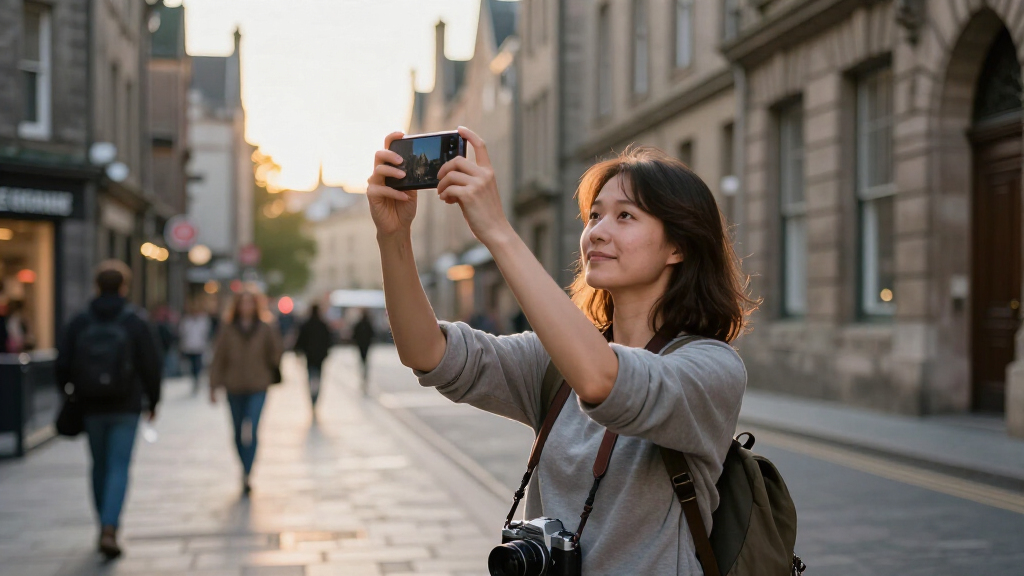
The short film ‘Please No Photos!’ was produced by independent filmmakers and has quickly gone viral on social media platforms. It depicts scenes of tourists at popular destinations, often seen focusing intensely on their smartphones and cameras rather than engaging with their surroundings. The film raises questions about how the desire to document experiences can detract from genuine engagement and alter the way destinations are experienced.
According to the film’s creators, the project aims to provoke reflection on the modern travel culture that prioritizes taking photos over savoring moments. The film does not explicitly criticize tourism but emphasizes the behavioral trends that may diminish the authenticity of travel experiences. It also touches on environmental and social impacts, such as overcrowding and disrespect for local customs, linked to the obsession with capturing images.
While the film’s message resonates with many viewers, it is unclear whether it will lead to any concrete changes in tourist behavior or influence industry practices. The film’s popularity has reignited debates on social media about the balance between documenting and experiencing, with some viewers expressing guilt or concern about their own habits.
Impact of the Film on Tourism and Photography Culture
The film ‘Please No Photos!’ underscores a growing concern about how modern tourists prioritize photography over genuine engagement with their surroundings. This trend may influence travel behaviors, encouraging more mindful tourism and potentially prompting destinations to implement policies that discourage excessive photo-taking. The discussion also highlights broader issues of authenticity, environmental impact, and cultural respect in the age of social media.
By spotlighting these behaviors, the film contributes to ongoing conversations about the societal effects of digital culture. It raises awareness that the obsession with capturing moments can sometimes overshadow the very experiences travelers seek, possibly affecting the quality of tourism and local communities’ well-being.
smartphone camera stabilizer gimbal
As an affiliate, we earn on qualifying purchases.
As an affiliate, we earn on qualifying purchases.
Interest in travel photography has surged over recent years, driven by the proliferation of smartphones and social media platforms like Instagram and TikTok. Many tourists now view capturing images as an essential part of their travel experience, often prioritizing it over authentic engagement or cultural understanding. This behavior has been linked to overcrowding at iconic sites, environmental degradation, and a decline in meaningful interactions with local communities.
The trend has also been the subject of academic and media scrutiny, with experts debating whether the focus on documenting experiences diminishes their value or alters destination dynamics. The release of the short film ‘Please No Photos!’ adds a cultural critique to this ongoing discussion, though it is not yet clear how widely the film will influence public attitudes or industry practices.
While the phenomenon is well-documented, recent spikes in online searches and social media mentions suggest a renewed interest in examining the impact of this behavior, especially as destinations grapple with overtourism and sustainability challenges.
compact travel tripod for smartphones
As an affiliate, we earn on qualifying purchases.
As an affiliate, we earn on qualifying purchases.
Unclear Impact of the Film on Tourist Behavior
It is not yet confirmed whether the short film will lead to measurable changes in tourists’ photography habits or influence industry policies. While it has sparked online debate, the long-term effects remain uncertain, and there is no evidence yet of widespread behavioral shifts.
As an affiliate, we earn on qualifying purchases.
Potential for Broader Cultural and Industry Responses
Future developments may include increased public awareness campaigns, policy discussions at travel destinations, or further artistic projects addressing tourism behaviors. Industry stakeholders might also consider implementing guidelines or initiatives encouraging more mindful photography practices. Researchers are expected to monitor changes in tourist behavior and social media discourse in the coming months to assess the film’s influence.
portable photo printer for smartphones
As an affiliate, we earn on qualifying purchases.
As an affiliate, we earn on qualifying purchases.
Key Questions
What is the main message of ‘Please No Photos!’?
The film critiques tourists’ obsession with capturing every moment through photos, urging viewers to consider the value of genuine engagement over constant documentation.
Has the film influenced tourist behavior yet?
It is too early to determine if the film has caused significant behavioral changes. Its primary impact so far is sparking online discussion and self-reflection among viewers.
Are travel destinations implementing new policies because of this film?
There are no confirmed policy changes directly linked to the film at this time. However, the discussion may influence future policy considerations around tourism practices.
Why is there increasing concern about tourists’ photo habits?
Experts and travelers alike worry that overemphasis on photography can detract from authentic experiences, contribute to overcrowding, and harm local environments and cultures.
Potentially. As awareness grows, some travelers and platforms might promote more mindful sharing practices, emphasizing quality over quantity of photos.
Source: rss
Columbus Day / Indigenous Peoples' Day Picks
long weekend sales
As an affiliate, we earn on qualifying purchases.