TL;DR

Get art and craft supplies delivered free with Prime
- Fast, free delivery on millions of items
- Prime Video, Amazon Music and more included
- Member-only deals all year
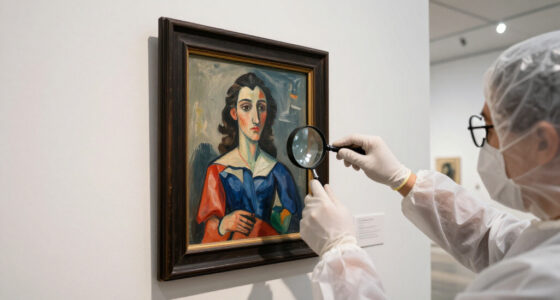
Photographer and author Laura June Kirsch says a short Wikipedia page about her appeared in February and was removed about three months later. In a Hyperallergic opinion essay, she describes an anonymous editor’s biography, a debate over whether she met Wikipedia’s standards, and an unsolicited offer from a digital marketer to help restore the page. The source does not establish who made the removal decision or whether the page was restored.
Photographer Laura June Kirsch says a short Wikipedia biography about her appeared in February and was removed roughly three months later, after anonymous users debated whether her work made her notable enough for a standalone entry. In an opinion essay for Hyperallergic, Kirsch recounts the episode and an unsolicited offer from a digital marketer who said he could help restore the page.
Kirsch says she learned about the page through a Google Alert and initially asked a friend whether he had created it. He had not, but, according to her account, he traced the page to an editor who appeared to have written numerous Wikipedia entries, mostly about female artists. The page described Kirsch as an American photographer whose work documents music, nightlife and alternative subcultures, and noted her 2021 book, Romantic Lowlife Fantasies: Emerging Adults In The Age of Hope.
About three months after the page appeared, Kirsch says, a stranger emailed her to say it had been taken down because it contained too little information. The sender, whom she described as running a digital marketing company, offered help restoring it. Kirsch viewed the approach with suspicion but says she became curious and put together a longer biography with links to articles about her work. The source material does not say whether that submission led to a restored page.
Kirsch also describes anonymous editors discussing whether she was “credible enough” to warrant her own page. The account does not identify those editors or provide the full discussion, the page’s deletion record, or an independent explanation of the decision. Her essay is a personal account of the episode, not a formal statement from Wikipedia or its editors.
How Online Recognition Gets Decided
The episode shows how a public-facing biography can become a dispute over recognition and sourcing, rather than a simple measure of an artist’s work. A Wikipedia page can shape what readers encounter when they search for someone, but having an entry is not itself proof of a particular level of achievement, and its removal does not establish that a person lacks professional standing.
Kirsch’s account also points to the importance of independent published coverage in debates about whether someone merits an encyclopedia entry. It raises a practical concern for people approached by outsiders offering to create or restore pages: the source material does not establish the marketer’s motives or credentials, so readers cannot tell from this account whether the offer was legitimate, effective, or connected to the page’s removal.
As an affiliate, we earn on qualifying purchases.
From Short Biography to Deletion
The sequence described by Kirsch began when she received an alert in February. The initial biography was brief, identifying her as a photographer and mentioning her 2021 book. She says a friend later found that the creator appeared to have made pages about many female artists, though the essay does not supply a name or a wider review of that editor’s work.
Roughly three months later, Kirsch received the email reporting the page’s removal and offering assistance. She says she compiled a fuller biography and links to articles about her work. The source provides no exact calendar dates for either event and does not reproduce the email or the complete Wikipedia discussion. Those limits matter: the account establishes what Kirsch says happened, but not every step of the page’s editorial history.
““credible enough””
— Laura June Kirsch, describing the editors’ discussion in her Hyperallergic essay
As an affiliate, we earn on qualifying purchases.
The Page’s Editorial Record
The available source does not identify the editor who created the page, the people who debated its status, or the administrator or process responsible for its removal. It also does not include the complete deletion rationale, the sources reviewed by editors, or the marketer’s name and company. Whether the page was later restored remains unclear.
Kirsch’s account says she prepared more material after the email, but it does not establish that the biography met Wikipedia’s editorial requirements or that the marketer’s proposed help changed the outcome. The source also does not independently verify the sender’s claim that insufficient content was the reason for removal.
digital reputation management services
As an affiliate, we earn on qualifying purchases.
As an affiliate, we earn on qualifying purchases.
Whether a New Page Appears
The source material describes Kirsch’s account of events but gives no forthcoming Wikipedia decision, appeal, or scheduled update. The next verifiable development would be whether a page about Kirsch is currently available and, if so, what sources and editorial history accompany it. Without that record, the status of any restoration effort cannot be confirmed.
Kirsch’s essay leaves readers with a distinction between compiling a biography and establishing that an encyclopedia entry is warranted. Any later account should clarify whether she submitted the material herself, whether another editor reviewed it, and what outcome followed the offer of assistance.
As an affiliate, we earn on qualifying purchases.
Key Questions
Who is Laura June Kirsch?
Kirsch is a photographer and author. The short Wikipedia biography described her work as documenting music, nightlife and alternative subcultures and cited her 2021 book, Romantic Lowlife Fantasies: Emerging Adults In The Age of Hope.
When did her Wikipedia page appear and disappear?
Kirsch says she received a Google Alert about the page in February and learned of its removal about three months later. The source material does not provide exact dates or a year for those events.
Why was the page removed?
A stranger told Kirsch by email that it had been taken down because it contained too little information. The source does not include the full deletion record or independently confirm that explanation.
Was Kirsch’s page restored?
The available account does not say. Kirsch says she prepared a longer biography and links to articles after receiving an offer of help, but does not report the final result.
Source: rss
Halloween Picks
halloween
As an affiliate, we earn on qualifying purchases.