
TL;DR

Get art and craft supplies delivered free with Prime
- Fast, free delivery on millions of items
- Prime Video, Amazon Music and more included
- Member-only deals all year
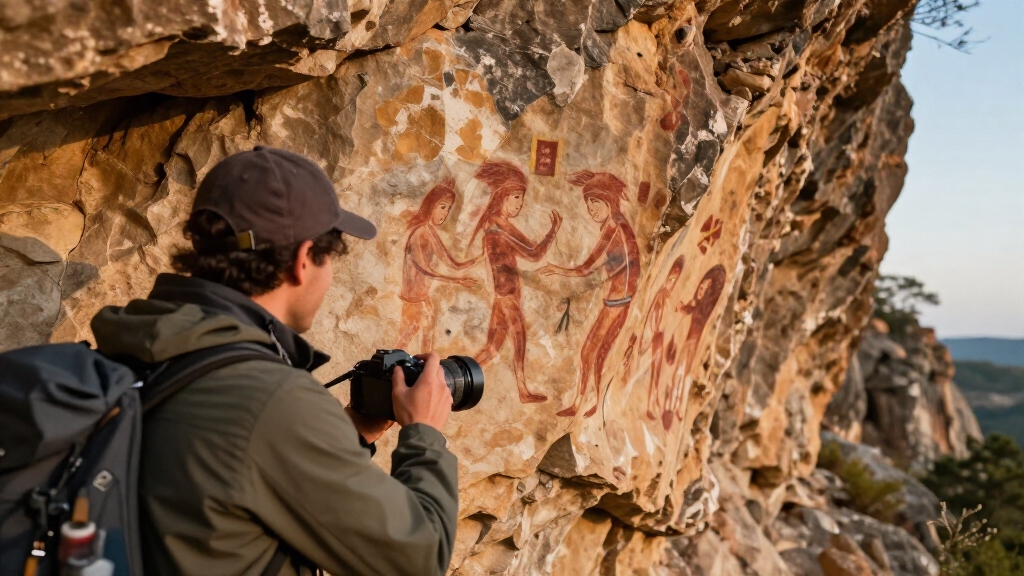
The U.S. government plans to expand the border wall in Texas, exempt from environmental laws, endangering over 400 archaeological sites, including 84 ancient cave murals dating back 6,000 years. The move raises concerns among archaeologists and preservationists.
The federal government announced on July 27, 2023, that the Texan portion of the US-Mexico border wall will be exempt from environmental preservation laws, raising concerns over the potential destruction of over 425 archaeological sites, including 6,000-year-old cave paintings. This move, part of a broader border expansion plan, directly threatens sites of significant cultural and historical value, drawing criticism from archaeologists and preservation groups.
On Monday, the federal government exempted the border wall project from laws such as the Archaeological and Historic Preservation Act and the Native American Graves Protection and Repatriation Act. The plan involves constructing a $46 billion ‘smart wall’ with physical barriers and AI-powered surveillance infrastructure along the Texas border, primarily in the Big Bend region.
Archaeologists, including Amanda Castañeda of the Shumla Archaeological Research and Education Center, warn that the route of the expansion passes through canyons rich in rock art and ancient murals. She estimates that at least 84 cave murals and hundreds of other sites could be damaged or destroyed as a result of the construction, which is described as a ‘high illegal entry’ zone but is also noted for its remoteness and low traffic.
Cultural Heritage at Immediate Risk from Border Wall Expansion
This development threatens to irreparably damage sites of significant cultural, historical, and archaeological importance, some dating back over 6,000 years. The destruction of these sites would result in the loss of invaluable insights into early human history and indigenous cultures. The exemption from environmental laws sets a precedent for prioritizing border security over heritage preservation, raising concerns about the long-term impact on national and indigenous histories.
archaeological site preservation tools
As an affiliate, we earn on qualifying purchases.
As an affiliate, we earn on qualifying purchases.
Legal and Environmental Controversies Surrounding Border Expansion
The Trump administration’s decision to exempt the border wall from environmental laws follows a pattern of prioritizing border security measures, citing high illegal entry points. The Big Bend region in Texas, known for its rugged terrain and sparse population, has been identified as a strategic location for the wall. Previous efforts to build barriers in the area have faced legal challenges and opposition from conservation groups and Native American tribes, who argue that construction could damage irreplaceable archaeological and cultural sites.
According to archaeologists, the area contains hundreds of sites with ancient rock art, some of which are still being studied. The exemption allows construction to proceed without the usual environmental impact assessments, increasing fears of irreversible damage to these sites.
“The potential for damage to rock art sites and archaeology in this region is very large, given the route of the border wall.”
— an anonymous researcher
As an affiliate, we earn on qualifying purchases.
Extent of Damage and Preservation Measures Still Unclear
It is not yet clear how much of the archaeological sites will be directly impacted or whether any preservation measures will be implemented during construction. The full scope of damage remains uncertain as the project progresses and more detailed plans are finalized.
As an affiliate, we earn on qualifying purchases.
Legal Challenges and Preservation Efforts Expected to Continue
Environmental and cultural groups are likely to challenge the exemptions and construction plans in court. Archaeologists and indigenous communities may seek to implement preservation strategies or halt the project to protect the sites. Monitoring and potential legal action are expected as the border expansion advances.
As an affiliate, we earn on qualifying purchases.
Key Questions
What specific sites are at risk from the border wall expansion?
Over 425 archaeological sites in the Big Bend region of Texas, including 84 ancient cave murals dating back approximately 6,000 years, are at risk according to archaeologists.
Why did the government exempt the border wall from environmental laws?
The federal government stated that the exemption was necessary because the area is a high illegal entry point, and the project is considered a matter of national security. However, critics argue it undermines environmental and cultural protections.
What are the potential cultural impacts of this project?
The destruction of ancient cave paintings and archaeological sites would result in the loss of invaluable cultural heritage and historical knowledge, some of which is over 6,000 years old.
Are there any legal or protest actions underway?
Yes, environmental groups, archaeologists, and indigenous communities are expected to challenge the exemptions and construction plans in court, seeking to protect these sites from irreversible damage.
Source: rss
Halloween Picks
halloween
As an affiliate, we earn on qualifying purchases.