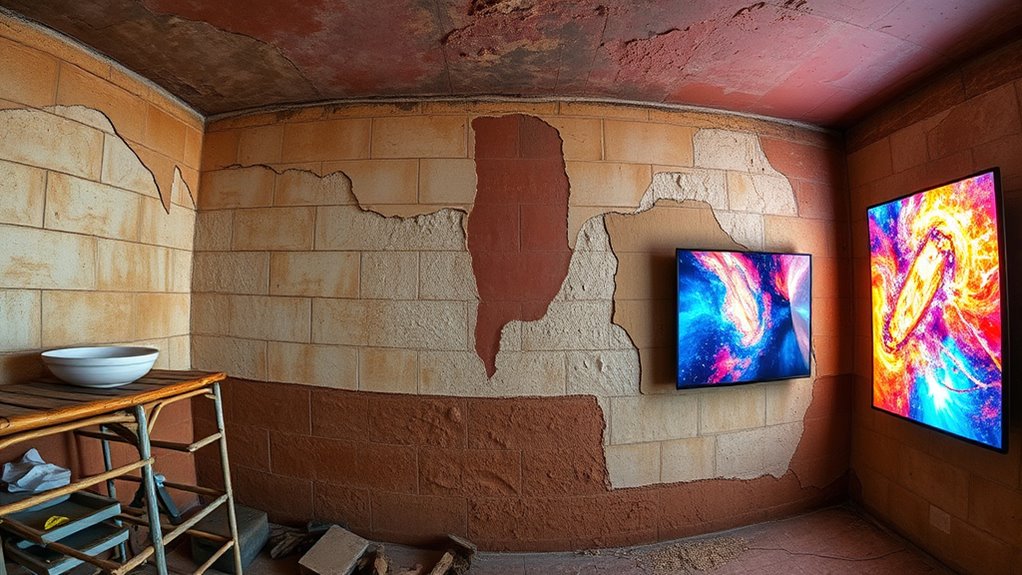

The evolution of painting techniques takes you from ancient frescoes, where mineral pigments were applied onto wet plaster, to the mastery of oil painting during the Renaissance, which offered richer textures and realism. Later, innovations like acrylics, mixed media, and digital tools expanded creative possibilities. Today, artists blend traditional methods with digital technology, pushing boundaries even further. Keep exploring this fascinating journey to discover how these changes continue to shape artistic expression.

Get art and craft supplies delivered free with Prime
- Fast, free delivery on millions of items
- Prime Video, Amazon Music and more included
- Member-only deals all year
Key Takeaways
- Painting techniques evolved from ancient frescoes using mineral pigments to Renaissance oil paints for richer detail.
- The 19th century introduced acrylics and mixed media, expanding artistic possibilities beyond traditional methods.
- Digital tools and software now mimic and enhance traditional techniques, enabling real-time editing and new expressive effects.
- Artistic innovation has continuously pushed boundaries, integrating technology to create more versatile and accessible art forms.
- The evolution reflects a persistent desire to explore new mediums, expanding creative expression across centuries.
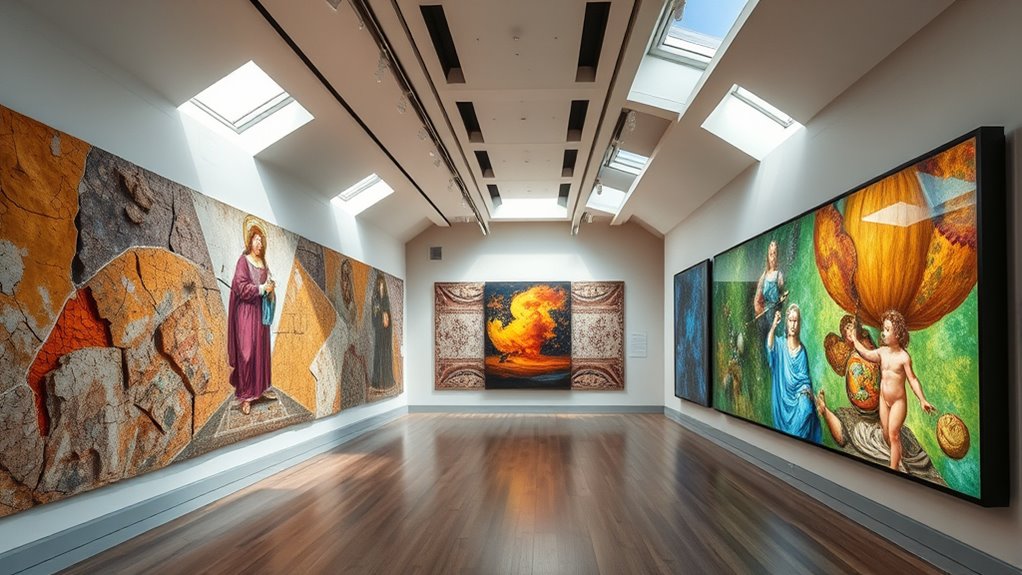
Throughout history, painting techniques have continuously evolved, shaped by innovations in materials, tools, and artistic goals. Today, you can explore a wide array of styles, from traditional frescoes to cutting-edge digital brushstrokes, each reflecting the technological and cultural shifts of its time. As you explore this evolution, you’ll notice how artists have consistently pushed boundaries to express their visions more vividly and creatively.
Artists have continually pushed boundaries, evolving painting techniques from fresco to digital for more vivid creative expression.
In ancient times, fresco painting involved applying mineral pigments onto wet plaster, creating durable murals that have stood for centuries. This method required mastery of working quickly before the plaster dried, emphasizing skill and precision. As techniques advanced, oil painting emerged during the Renaissance, allowing artists to develop richer textures, deeper colors, and more nuanced shading. This shift gave painters greater control over their work, enabling detailed realism and subtle transitions. The use of mixed media further expanded possibilities, combining different materials like charcoal, watercolor, and pastels to create layered effects and unique textures that conveyed complex ideas and emotions.
Moving into the 19th and 20th centuries, artists experimented with new tools and materials, breaking away from traditional constraints. The advent of acrylic paints, for instance, offered faster drying times and more vibrant colors, enabling artists to work more spontaneously. During this period, mixed media art flourished, blending collage, photography, and paint to challenge conventional boundaries. This approach encouraged you to think beyond single mediums, creating dynamic compositions that integrated different textures and elements for richer visual narratives. Additionally, the development of digital painting tools has revolutionized how artists create, allowing for virtual brushstrokes and real-time editing that were previously impossible.
As technology advanced, the digital revolution transformed painting altogether. Now, you can use digital brushes within software that mimics traditional techniques or creates entirely new effects. Digital brushstrokes provide a level of flexibility and immediacy impossible with physical media—you can easily undo mistakes, experiment with layers, and incorporate photographic elements seamlessly. This evolution has made art more accessible and versatile, allowing you to produce complex mixed media works digitally, combining images, textures, and effects with a few clicks. The integration of digital tools has also fostered collaboration and sharing across global communities, accelerating innovation in artistic expression.
Ultimately, the evolution of painting techniques reflects a continuous desire to explore new frontiers. Whether through the meticulous application of fresco, the textured richness of oil and mixed media, or the limitless possibilities of digital brushstrokes, each stage builds on the last. As a creator, you benefit from this progression by having access to a vast palette of methods that expand your ability to communicate ideas visually. The journey from fresco to digital highlights how technological advancements and creative experimentation shape the future of art, inviting you to participate in an ongoing tradition of innovation and expression.
digital painting software for artists
As an affiliate, we earn on qualifying purchases.
As an affiliate, we earn on qualifying purchases.
Frequently Asked Questions
How Did Early Artists Prepare Their Materials for Fresco Painting?
You start by preparing your materials through historical pigment preparation, grinding natural minerals into fine powders. You mix these pigments with water and a binding agent to create your paint. For fresco application techniques, you apply your pigmented wet plaster directly onto the wall surface, ensuring the pigments bond as the plaster dries. This method requires careful timing and skill, ensuring your artwork becomes durable and vividly integrated into the wall.
What Are the Environmental Impacts of Traditional Versus Digital Painting Methods?
You might find that traditional painting methods impact the environment more due to material sourcing, like mineral pigments and solvents, which can harm ecosystems. Digital painting, on the other hand, promotes environmental sustainability by reducing waste and limiting the need for physical materials. While digital tools require energy, they generally have a lower environmental footprint overall. So, choosing digital techniques can help you create art more sustainably.
How Has the Role of the Artist Changed With the Advent of Digital Tools?
You might think digital tools limit your creativity, but they actually empower you more than ever. With digital creativity, you’re free to experiment endlessly, revise instantly, and reach a global audience. The artist’s role has shifted from manual craftsmanship to innovative problem-solving and artistic empowerment. Ironically, technology has made you more autonomous, allowing your true vision to flourish without traditional constraints, transforming you into a versatile, boundary-breaking creator.
Are There Any Hybrid Techniques Combining Traditional and Digital Painting?
Yes, there are hybrid techniques that combine traditional and digital painting. You can start with traditional media like watercolor or acrylics, then scan and enhance your work digitally, blending the best of both worlds. Alternatively, you might use digital tools to add details or textures to traditional pieces. These hybrid techniques allow you to experiment creatively, leveraging traditional skills while benefiting from digital flexibility and precision.
What Future Innovations Might Influence the Evolution of Painting Techniques?
You might see augmented reality transforming how you create and experience art, blending digital overlays with real-world environments. AI-generated art will likely become more integrated, offering new tools for innovation and personalization. These innovations could make painting more immersive and collaborative, allowing you to experiment with virtual textures and interactive elements. As technology advances, your artistic possibilities will expand, creating a dynamic fusion of traditional craftsmanship and cutting-edge digital techniques.
As an affiliate, we earn on qualifying purchases.
Conclusion
You’ve seen how painting techniques have evolved from ancient frescoes to modern digital art. This progression highlights how innovation continually shapes creativity. Notably, a 2020 survey revealed that over 80% of professional artists now incorporate digital tools into their work, showcasing the rapid shift. Embracing these changes, you can explore endless possibilities and push artistic boundaries, just like artists before you who transformed their mediums to express new ideas.
As an affiliate, we earn on qualifying purchases.
As an affiliate, we earn on qualifying purchases.
Columbus Day / Indigenous Peoples' Day Picks
long weekend sales
As an affiliate, we earn on qualifying purchases.