
TL;DR

Get art and craft supplies delivered free with Prime
- Fast, free delivery on millions of items
- Prime Video, Amazon Music and more included
- Member-only deals all year
Alison Nguyen’s 14-minute film Prior Occupants (2026) examines the history of Westbeth Artists Housing and its earlier use by Bell Laboratories. A Hyperallergic review says the film draws on research and archival material but leaves key references unexplained, making the history difficult to follow. The available report does not specify a release date or broader screening plans.
Alison Nguyen’s 14-minute film Prior Occupants examines the past of Westbeth Artists Housing, the Manhattan complex that previously served as a Bell Laboratories site, according to a Hyperallergic review. The review describes a work built from archival files and images of the building, but says its fragmented presentation leaves important historical references hard to understand.
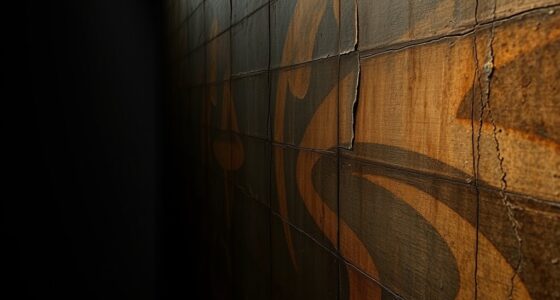
The film opens with images of confidential files attributed to Bell Laboratories. Nguyen makes brief references to the company’s involvement in the Manhattan Project and the development of components for ballistic missiles, the review says, but does not give much explanation of how those subjects relate to Westbeth or to the records shown. One archival document featured in the film concerns Bell Telecommunication Company research at Columbia University’s Rare Books and Manuscripts Library.
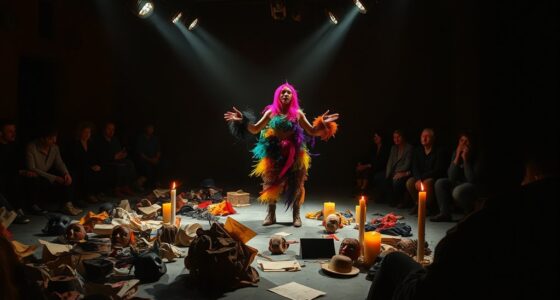
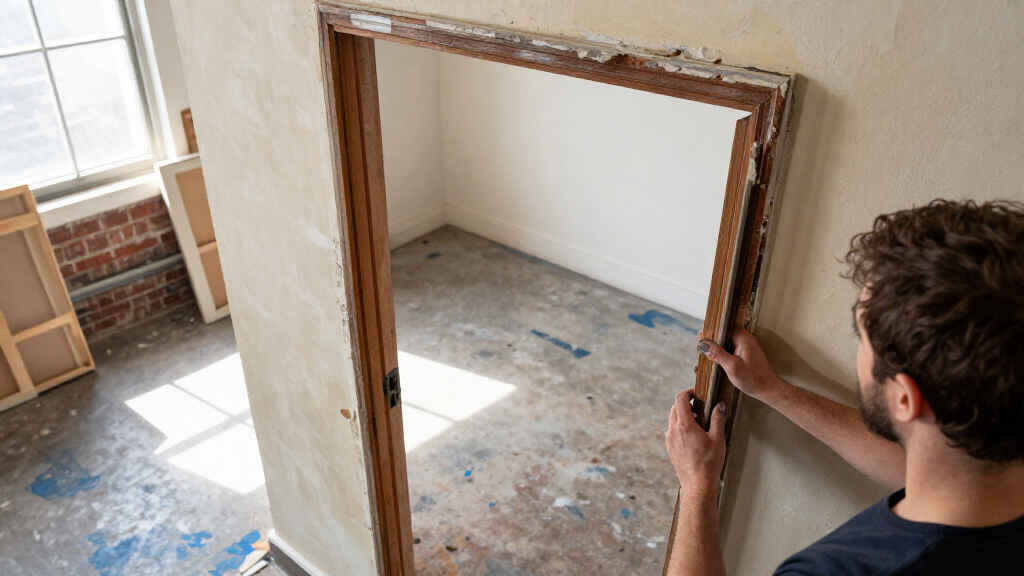
Other images bring the viewer into the complex itself. A film still shows a water-damaged basement that, according to the review, once served as a cafeteria during the building’s Bell Laboratories era. The article places the public screening above 14th Street, near the start of the High Line and a short distance from Westbeth.
Hyperallergic characterizes the short as drawing on extensive research and evident curiosity, while criticizing its reliance on partial clues. The review says the film’s fragments prompt viewers to look up terms and details themselves rather than presenting a readily legible account. That assessment concerns the film’s storytelling; it does not establish that the archival material or historical claims are inaccurate.
Westbeth’s History on Screen
Westbeth is known as an artists’ housing complex, but Nguyen’s film turns attention to an earlier chapter of the site: its association with Bell Laboratories. By placing records and present-day images of the building together, the film raises questions about how institutional histories persist in a place now identified with artists’ lives and work.
The review’s criticism also points to a practical issue for viewers: archival references need context to show why they matter. The film’s brief mentions of military research and the Manhattan Project may invite further investigation, but the article says the connections are not sufficiently explained on screen. Readers should distinguish that review judgment from a settled account of the complex’s full history.
Popular right now

Vitamix 5200 Professional-Grade Blender, 64 oz. Container, Black

KitchenAid Artisan 5-Qt Tilt-Head Stand Mixer – Dried Rose (KSM150PS)

Ninja Foodi 10-Qt DualZone Air Fryer, 6-in-1, Black (DZ302)
As an affiliate, we earn on qualifying purchases.
From Bell Labs to Artists’ Housing
The source describes Westbeth as a Manhattan artists’ housing complex and identifies its predecessor use as a Bell Laboratories facility. In the basement shown in Nguyen’s film, the space once functioned as a cafeteria, linking a visible part of the building to its earlier institutional life.
Nguyen’s film also draws on records held at Columbia University’s Rare Books and Manuscripts Library. The supplied review does not provide a fuller chronology of Bell Laboratories’ presence at the site, explain the specific research documented in the files, or describe the history of Westbeth’s conversion. Those details should not be inferred from the film’s brief references alone.
““a little more legibility would’ve benefited” the film”
— Hyperallergic review
Questions the Film Leaves Open
The available report does not specify when or where the screening took place, whether the film will receive additional public screenings, or whether it is available through another channel. It also does not identify the confidential files in enough detail to establish what findings they contain or how each record connects to Westbeth.
The review reports references to the Manhattan Project and ballistic-missile components but offers no detailed account of the underlying research or the film’s evidence for those links. The precise scope of Bell Laboratories’ work at the site, and the broader chronology of the building’s change in use, remain outside the information provided.
Further Screening Details Await
No future screening dates, distribution plans, or follow-up reporting are included in the source material. Any additional public presentation or release information would clarify how audiences can see Prior Occupants and whether viewers will have access to supporting historical material.
For now, the immediate development is the film’s appearance in a Hyperallergic review. A fuller account of the archival records and Westbeth’s earlier use would require additional documentation or reporting beyond the details in that review.
Key Questions
What is Prior Occupants?
Prior Occupants is Alison Nguyen’s 14-minute film, dated 2026, about the history of Westbeth Artists Housing and its earlier connection to Bell Laboratories.
What does the film show?
The review describes archival Bell Laboratories files, including a record of research at Columbia University’s Rare Books and Manuscripts Library, as well as images of Westbeth’s water-damaged basement, which once served as a cafeteria.
What did the review criticize?
Hyperallergic says the film’s fragmented presentation leaves references underexplained, including its mentions of the Manhattan Project and ballistic-missile components. The review presents this as a criticism of clarity, not as a finding that the material is false.
Can viewers see the film now?
The source mentions a public screening but gives no date, venue details, or future screening schedule. It does not say whether the film is available online or through another distributor.
Source: hyperallergic.com