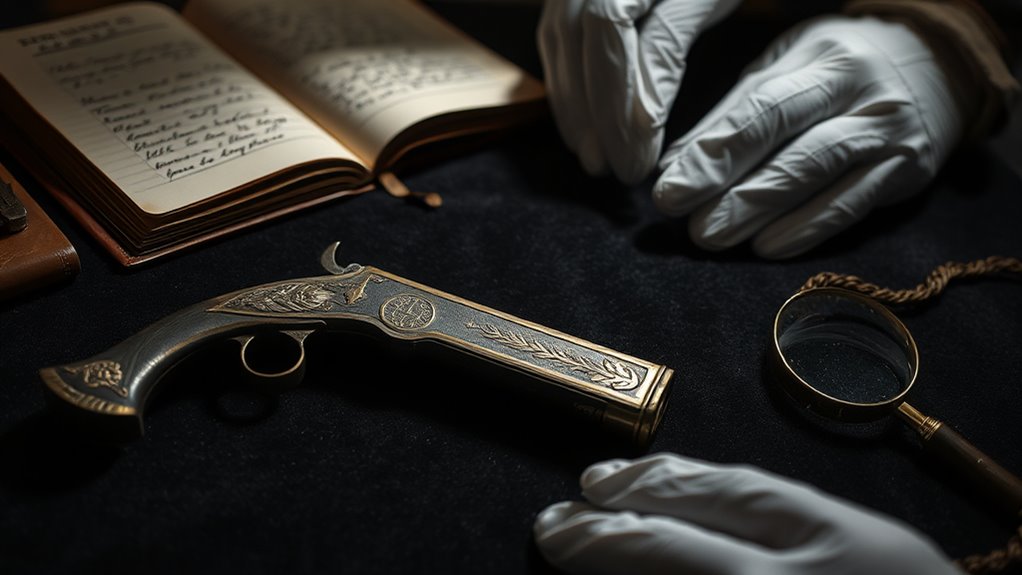

When engaging in ethical collecting, you need to do thorough due diligence by verifying the provenance of artifacts. This includes requesting detailed documentation to confirm the item’s history and ensuring it wasn’t stolen or looted. Respect the cultural significance of each piece, and follow legal regulations to avoid supporting illegal trade. By taking these responsible steps, you’ll help protect cultural heritage. If you’re interested, there’s more to learn about how to approach this thoughtfully and ethically.
Key Takeaways
- Verify the provenance to confirm the artifact’s legal and ethical origin before acquisition.
- Consult experts and documentation to ensure compliance with laws and cultural sensitivities.
- Prioritize collecting from reputable sources that adhere to ethical standards and transparency.
- Respect the cultural significance of artifacts, avoiding items that may be sacred or looted.
- Support preservation efforts and responsible practices to protect cultural heritage for future generations.
Collecting artifacts or cultural items can be a rewarding hobby, but it also comes with important ethical responsibilities. When you’re delving into collecting, you must prioritize cultural sensitivity, which means respecting the significance and context of the items you’re acquiring. Recognize that many artifacts are sacred or culturally significant, and acquiring them without understanding their importance can cause harm or disrespect to the communities they originate from. It’s essential to educate yourself about the cultural background of each item, ensuring your collection reflects respect rather than exploitation.
Respect cultural significance and educate yourself before collecting artifacts to ensure ethical and respectful practices.
Moreover, legal compliance plays a critical role in ethical collecting. Many countries have strict laws governing the export, import, and ownership of cultural artifacts. Failing to adhere to these laws can lead to serious legal consequences and contribute to the illegal trade that damages cultural heritage worldwide. Before you acquire an item, verify its provenance and ensure it was obtained through legitimate channels. This might involve asking for provenance documentation or consulting with experts to confirm that the item was legally acquired and exported. Ignoring these legal and ethical considerations not only puts you at risk but also supports a damaging black market that robs communities of their heritage.
Provenance, or the documented history of an artifact, is equally crucial. When you’re considering an item, ask for detailed provenance records. These documents should trace the artifact’s origins, previous ownership, and how it was acquired. Provenance helps verify that the item isn’t stolen or looted and ensures your collection aligns with ethical standards. If provenance is unclear or suspicious, it’s best to avoid the item altogether. This diligence not only protects you from potential legal issues but also demonstrates your commitment to ethical collecting practices.
Another aspect to take into account is the impact your collection might have on communities and cultures. By choosing to collect items responsibly, you help preserve cultural heritage rather than contribute to its destruction. Supporting museums, reputable dealers, and organizations that promote ethical standards can guide you in making responsible choices. Remember, your role isn’t just about acquiring objects; it’s about respecting the cultures they come from and promoting the preservation of shared history. Being informed about cultural sensitivity can further enhance your understanding of how to handle artifacts responsibly.

Curios and Relics: Tools, Sickle, Used by Lincoln; Excerpts From Newspapers and Other Sources (Classic Reprint)
As an affiliate, we earn on qualifying purchases.
As an affiliate, we earn on qualifying purchases.
Frequently Asked Questions
How Do I Verify the Authenticity of Provenance Documents?
To verify the authenticity of provenance documents, you should use authentication methods like comparing signatures, stamps, and paper quality with known examples. Review provenance documentation thoroughly, checking for consistency and gaps. Contact the issuing institution or expert for confirmation, and consult reputable databases or registries. Always scrutinize the details carefully, ensuring the documents are legitimate and match the artwork or item’s history, preventing forgeries or misrepresented provenance.
What Are the Legal Implications of Acquiring Disputed Artifacts?
While maneuvering the delicate waters of artifact acquisition, you should be aware that acquiring disputed artifacts can carry serious legal implications, especially if linked to artifact smuggling or the mishandling of cultural heritage. Engaging in such transactions might result in penalties, confiscation, or damage to your reputation. Always consult legal experts and guarantee provenance is clear to avoid inadvertent involvement in illicit activities that could compromise your ethical and legal standing.
How Can I Identify Unethical Sourcing Practices in Collecting?
You can identify unethical sourcing practices by looking for signs of cultural insensitivity or lack of transparency. Avoid items that lack proper documentation or provenance, and prioritize pieces from sources committed to sustainable sourcing. Be cautious of artifacts that may have been acquired without respecting local communities’ rights or cultural significance. Trust reputable dealers who demonstrate a commitment to ethical collecting, ensuring that your collection promotes cultural sensitivity and responsible sourcing practices.
Are There International Standards for Ethical Collecting?
You’ll find that international standards for ethical collecting emphasize respecting cultural significance and maintaining collection ethics. Organizations like UNESCO and ICOM set guidelines to ensure items are sourced responsibly, prioritizing cultural sensitivity and legal compliance. By following these standards, you help prevent unethical practices and protect cultural heritage. Always verify provenance, respect community rights, and adhere to international protocols to promote ethical collecting globally.
How Do I Report Suspected Illegal Artifact Trade?
If you suspect illegal artifact trade, report it to local authorities or specialized organizations like INTERPOL or UNESCO that focus on cultural heritage and artifact theft. Provide detailed information and evidence to support your suspicion. Acting quickly helps protect cultural heritage and prevents further illegal activities. Your vigilance plays a essential role in combating artifact theft and preserving the integrity of cultural heritage worldwide.

The Aleppo Codex: In Pursuit of One of the World’s Most Coveted, Sacred, and Mysterious Books
Algonquin books
As an affiliate, we earn on qualifying purchases.
As an affiliate, we earn on qualifying purchases.
Conclusion
By practicing due diligence and tracing provenance, you protect cultural heritage, respect communities, and preserve history. You choose transparency over secrecy, integrity over ignorance, and respect over exploitation. In doing so, you become a guardian of authenticity, a steward of the past, and a defender of ethics. Let your actions echo responsibility, resonate with respect, and reflect the integrity that ethical collecting demands. Ultimately, your choices shape a future where history is honored and cultures are preserved.

Historical and Philosophical Issues in the Conservation of Cultural Heritage (Readings in Conservation)
Used Book in Good Condition
As an affiliate, we earn on qualifying purchases.
As an affiliate, we earn on qualifying purchases.
reputable dealer certification for artifacts
As an affiliate, we earn on qualifying purchases.
As an affiliate, we earn on qualifying purchases.