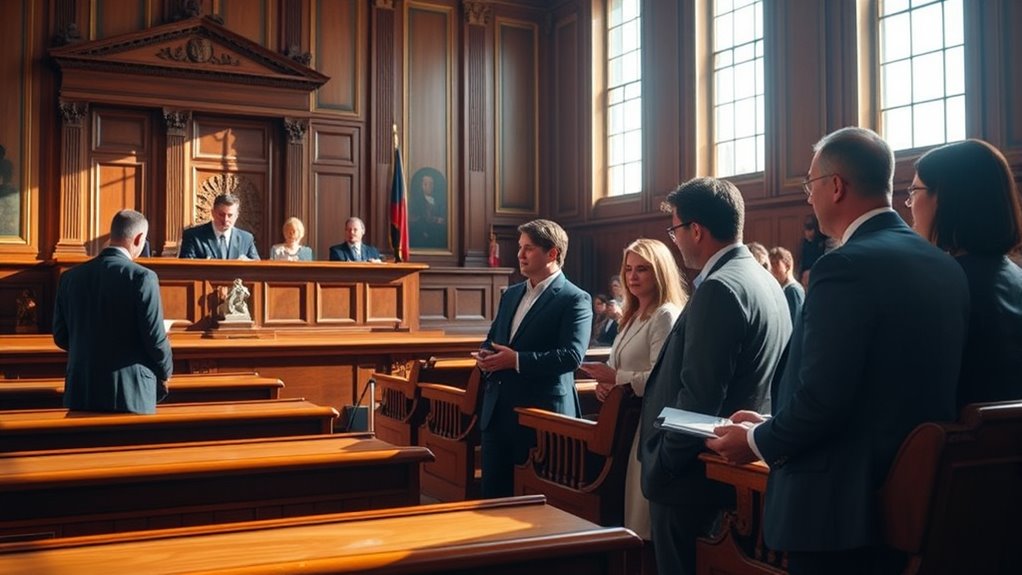

When restoring cultural property, follow best practices guided by the Washington Principles to guarantee fairness, transparency, and respect. Focus on transparent negotiations, thorough provenance research, and involving experts and communities. Prioritize voluntary agreements, dispute resolution, and legal clarity. Restitution should promote justice, cultural revitalization, and reconciliation. By applying these principles, you help foster trust and respect among stakeholders. Continue exploring how these practices can make restitution more effective and meaningful for all involved.

Get art and craft supplies delivered free with Prime
- Fast, free delivery on millions of items
- Prime Video, Amazon Music and more included
- Member-only deals all year
Key Takeaways
- Prioritize voluntary, transparent negotiations rooted in mutual respect and good faith between stakeholders.
- Conduct comprehensive provenance research using scientific methods to verify artifact origins accurately.
- Involve community representatives, experts, and legal authorities to ensure fair and legitimate restitution processes.
- Apply the principles of the Washington Declaration to promote justice, reconciliation, and cultural revitalization.
- Incorporate dispute resolution mechanisms like mediation to address conflicts and maintain trust throughout restitution efforts.

Restitution efforts and the Washington Principles provide an essential framework for addressing historical injustices related to stolen cultural property. When you’re working towards restoring artifacts or cultural items, understanding the importance of historical compensation becomes crucial. It’s about more than just returning objects; it’s about acknowledging the harm caused by decades or even centuries of dispossession. To do this effectively, you need to be familiar with the legal frameworks that govern such processes. These frameworks serve as the foundation for ensuring that restitution is fair, transparent, and consistent with international standards. They also help clarify the rights and responsibilities of all parties involved, guiding you through complex negotiations and legal procedures.
Legal frameworks are essential because they establish clear rules for returning cultural property. They set the criteria for identifying rightful owners, whether individuals, communities, or nations, and provide mechanisms for resolving disputes. When you follow these legal standards, you help build trust and legitimacy in the restitution process. The Washington Principles emphasize the importance of voluntary agreements, good faith negotiations, and transparency. By adhering to these principles, you foster a collaborative environment where all parties feel heard and respected. This approach is vital for addressing historical injustices because it recognizes the dignity and rights of communities affected by cultural loss.
Legal frameworks ensure fair restitution by establishing clear rules and promoting trust and collaboration.
In practice, applying these legal frameworks requires careful documentation and research. You need to verify provenance, establish rightful ownership, and assess the cultural significance of objects. This process often involves working closely with experts, community representatives, and legal authorities. When you prioritize transparency and thoroughness, you minimize misunderstandings and reduce the risk of future disputes. Additionally, incorporating mechanisms for alternative dispute resolution, such as mediation or arbitration, can streamline negotiations and promote mutually beneficial outcomes. Incorporating scientific methods can also enhance provenance verification by providing objective, data-driven evidence of an object’s origin.
The goal is to create a restitution process that not only returns stolen items but also advances justice and reconciliation. Respecting the principles outlined in the Washington Declaration, you should aim for solutions that acknowledge historical wrongs and promote healing. This includes considering appropriate forms of historical compensation, such as cultural revitalization programs, educational initiatives, or financial restitution where applicable. Ultimately, by grounding your efforts in solid legal frameworks and the guiding principles of the Washington Declaration, you help guarantee that restitution becomes a meaningful act of justice, fostering respect for cultural heritage and human rights.
artifact provenance research tools
As an affiliate, we earn on qualifying purchases.
As an affiliate, we earn on qualifying purchases.
Frequently Asked Questions
How Do Restitution Practices Differ Across Various Cultural Communities?
Restitution practices vary across cultural communities because of different cultural perspectives on justice and reconciliation. You’ll find that some communities emphasize community engagement, involving collective decision-making and traditional rituals, while others focus on individual accountability. These differences shape how restitution is approached, ensuring that practices respect cultural values. By understanding these diverse perspectives, you can foster more meaningful and respectful reconciliation efforts tailored to each community’s unique traditions.
What Challenges Are Unique to Implementing the Washington Principles Internationally?
Implementing the Washington Principles internationally presents unique challenges like ensuring cultural sensitivity and legal compliance across diverse regions. You must navigate differing legal systems and cultural expectations, which can complicate restitution efforts. To succeed, you need to adapt approaches that respect local customs while aligning with international standards. Balancing these factors helps foster trust and effective restitution, but it requires careful planning and open communication to overcome these complex, culturally sensitive issues.
How Can Organizations Measure the Long-Term Impact of Restitution Efforts?
You can gauge the long-term impact of restitution efforts through impact assessment and data collection. Track changes in community well-being, cultural preservation, and economic stability over time. Regularly gather qualitative and quantitative data, such as surveys and case studies, to evaluate progress. By analyzing this information, you gain insights into effectiveness, allowing you to adjust strategies and ensure sustained positive outcomes from restitution initiatives.
Are There Legal Barriers to Restitution in Specific Jurisdictions?
You should know that legal hurdles and jurisdictional restrictions often complicate restitution efforts. In some areas, over 30% of cases face legal barriers, delaying or blocking compensation. These barriers vary widely, with some jurisdictions imposing strict statutes of limitations or requiring specific legal procedures. Before proceeding, it’s essential to understand local laws, as these restrictions can markedly impact your ability to secure restitution effectively and promptly.
How Do Restitution Strategies Evolve With Changing Societal Values?
You adapt restitution strategies by prioritizing restitution ethics and fostering cultural reconciliation. As societal values shift, you consider the community’s evolving perspectives on justice and fairness, ensuring restitution efforts reflect respect and understanding. This means engaging with affected groups, honoring their voices, and aligning practices with current cultural norms. By doing so, you create more meaningful, inclusive solutions that promote healing and restore trust within diverse communities.
cultural property legal documentation
As an affiliate, we earn on qualifying purchases.
As an affiliate, we earn on qualifying purchases.
Conclusion
Think of restitution like tending a fragile garden—you must nurture trust, listen carefully, and patiently restore what was lost. The Washington Principles are your guiding sunlight, illuminating the path through shadows of doubt and uncertainty. When you approach restitution with honesty and respect, you cultivate resilience and healing. Remember, just as a garden flourishes with care, so too does justice blossom when you follow these best practices with genuine commitment and compassion.
mediation and dispute resolution books
As an affiliate, we earn on qualifying purchases.
As an affiliate, we earn on qualifying purchases.
restoration and conservation supplies
As an affiliate, we earn on qualifying purchases.
As an affiliate, we earn on qualifying purchases.
Halloween Picks
halloween
As an affiliate, we earn on qualifying purchases.