
Understanding light and shadow in photography-inspired painting helps you create striking images that convey mood, focus attention, and add realism. Use strong tonal contrasts and chiaroscuro techniques to give depth and drama to your work. Manipulating highlights and shadows guides the viewer’s eye and enhances emotional impact. Mastering these elements transforms simple scenes into powerful artworks, making your paintings feel alive and immersive. Keep exploring these principles to elevate your artistic skills further.

Get art and craft supplies delivered free with Prime
- Fast, free delivery on millions of items
- Prime Video, Amazon Music and more included
- Member-only deals all year
Key Takeaways
- Light and shadow create depth, focus, and emotional impact in photography-inspired paintings.
- Chiaroscuro uses strong tonal contrast to define forms and enhance realism.
- Manipulating tonal contrast guides viewer attention and conveys mood or narrative.
- Deep shadows and highlights mimic photographic lighting for authenticity and drama.
- Mastery of light and shadow elevates compositions, making artworks feel alive and immersive.

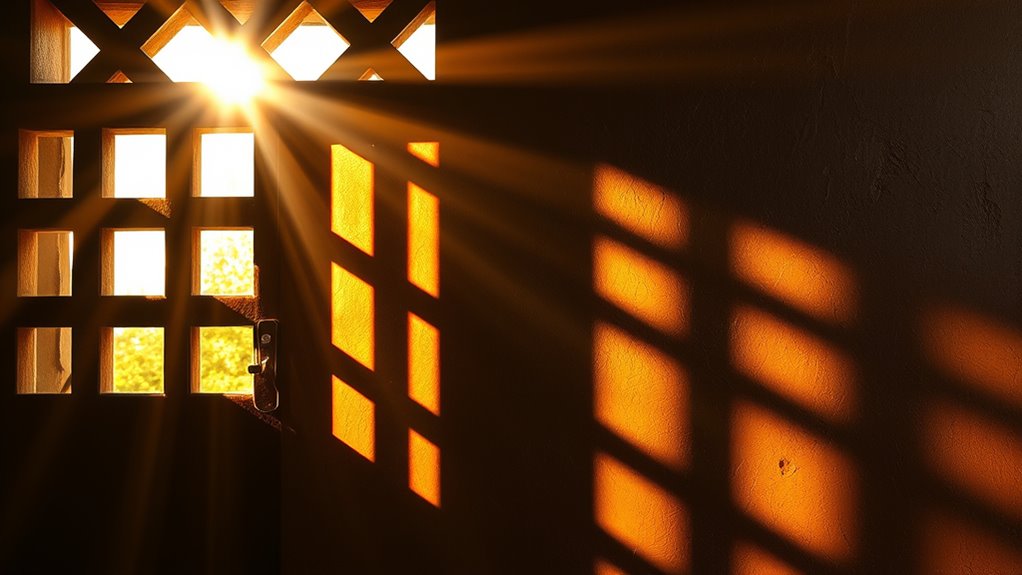
In photography-inspired painting, understanding how light and shadow interact is essential to creating compelling imagery. When you master this, you can transform simple scenes into powerful visual stories that captivate viewers. One key aspect is employing chiaroscuro techniques, which involve the dramatic use of strong tonal contrast to highlight forms and create a sense of depth. By carefully balancing light and shadow, you guide the viewer’s eye across your work, emphasizing focal points and adding emotional intensity. This method draws inspiration from classic art but adapts seamlessly into your contemporary approach, giving your paintings a striking, almost photographic realism.
Master light and shadow to transform simple scenes into compelling, photographic-style paintings with depth and emotion.
Tonal contrast is your most useful tool in this process. It refers to the difference in brightness between light and dark areas, and when used effectively, it can make your subject pop off the canvas or paper. Think of it as a visual volume knob—you can dial up the contrast to create drama or soften it for a more subtle, subdued effect. When you observe a scene or photograph, note where the shadows fall and the brightest highlights. Replicating this interplay in your painting enhances the sense of three-dimensionality, making flat surfaces appear tangible and real. The stark contrast between light and shadow also helps define textures, contours, and forms, giving your work a sense of realism that resonates with viewers.
Chiaroscuro isn’t just about stark contrasts; it’s about understanding how to manipulate tonal values to craft mood and atmosphere. For example, a scene illuminated by a single light source can be rendered with deep shadows and bright highlights, creating a dramatic or mysterious feel. You can use this technique to direct attention, emphasizing certain details while pushing others into shadow, effectively controlling the narrative within your artwork. When you incorporate chiaroscuro, you’re not only mimicking the effects seen in photography but also elevating your paintings by adding a layer of visual storytelling that’s both compelling and authentic. Recognizing the importance of self waterings in maintaining healthy plant growth can inspire similar attention to tonal balance in your artistic work, ensuring your compositions are both lively and harmonious.
Ultimately, mastering light and shadow in your photography-inspired paintings hinges on your ability to observe and translate tonal contrast and chiaroscuro techniques. These tools allow you to create imagery that feels alive and immersive, blurring the line between a captured photograph and a painted masterpiece. By focusing on the interplay of light and shadow, you’ll produce work that not only captures reality but also evokes emotion, drawing viewers into a world crafted through your understanding of tone and contrast.
Frequently Asked Questions
How Do Different Lighting Conditions Affect Painted Interpretations?
Different lighting conditions dramatically influence your painted interpretations. When you choose a strong, direct light source, shadows become sharp and defined, highlighting textures and details. Conversely, softer light creates gentle shadows, giving your painting a more subtle, atmospheric feel. Adjusting shadow softness helps you convey mood and depth, guiding viewers’ emotions. By experimenting with light source angles and shadow qualities, you craft dynamic compositions that evoke different sensations and storytelling possibilities.
What Color Palettes Best Mimic Photographic Light and Shadow?
Think of vibrant, high-contrast palettes with deep blacks and bright whites to mimic photographic light and shadow. You should use color contrast strategically, pairing warm and cool tones to create dynamic depth. Incorporate shadow gradation with subtle shifts from dark to light hues, emphasizing the interplay of light and shadow. This approach captures the realism and drama of photographic lighting, making your painting resonate with vivid, photographic-like clarity.
Can Digital Tools Enhance Shadow Realism in Painting?
Yes, digital tools can greatly enhance shadow realism in your painting. You can use digital brushstrokes to create smooth, nuanced shifts and employ shadow layering techniques to build depth and complexity. These tools allow you to manipulate light and shadow more precisely, giving your work a more photographic feel. With practice, you’ll discover how digital methods can make shadows appear more natural and convincing, elevating your overall artwork.
How Do Shadows Influence the Mood of a Painted Scene?
Did you know that shadows can set the emotional tone of a scene 70% more effectively than color alone? Shadows influence the mood by emphasizing shadow symbolism and creating contrast techniques that evoke feelings like mystery, tension, or serenity. When you manipulate shadows carefully, you guide viewers’ emotions and add depth to your painting, making the scene more compelling and immersive. Shadows truly shape how your artwork’s atmosphere resonates.
What Techniques Help Create Depth Through Light and Shadow?
To create depth through light and shadow, you should use chiaroscuro techniques, which emphasize strong contrasts between light and dark to sculpt your subjects. Additionally, employ gradient blending to smoothly shift between shadows and highlights, enhancing three-dimensionality. Focus on varying the intensity of shadows and highlights across your scene, guiding the viewer’s eye and giving your painting a realistic sense of depth and volume.
Conclusion
By understanding how light and shadow interact, you can elevate your painting skills to new heights. Imagine studying a photograph where dramatic shadows highlight a subject’s features—then translating that into your artwork. For instance, a painter might use strong shadows to evoke mystery, just like a renowned photographer’s moody portrait. Mastering these elements allows you to create more compelling, dynamic images that draw viewers in and tell powerful stories through your art.
Fall Picks
fall essentials
As an affiliate, we earn on qualifying purchases.