Between 1950 and 2000, Paris became a vibrant hub for Black artists, blending African, Caribbean, and American influences with European traditions. You’ll find a city where collaborations flourished in galleries and jazz clubs, pushing artistic boundaries and challenging stereotypes. This period fostered community, mentorship, and cultural exchange that deeply shaped a unique Black artistic legacy in Paris. If you look closer, you’ll uncover how this era continues to influence art and culture today.

Get art and craft supplies delivered free with Prime
- Fast, free delivery on millions of items
- Prime Video, Amazon Music and more included
- Member-only deals all year
Key Takeaways
- Paris served as a vital hub for Black artists, fostering cultural exchange and artistic innovation from 1950 to 2000.
- Collaborations between Black artists and local creatives in galleries and jazz clubs challenged stereotypes and expanded recognition.
- Cultural influences from Africa, the Caribbean, and America integrated into Parisian art, music, and literature, creating a unique Black artistic identity.
- Community and mentorship among Black artists promoted collective growth, visibility, and international acknowledgment of their work.
- The era’s collaborations and exchanges laid a lasting legacy, shaping contemporary perceptions of Black art and culture in Europe.
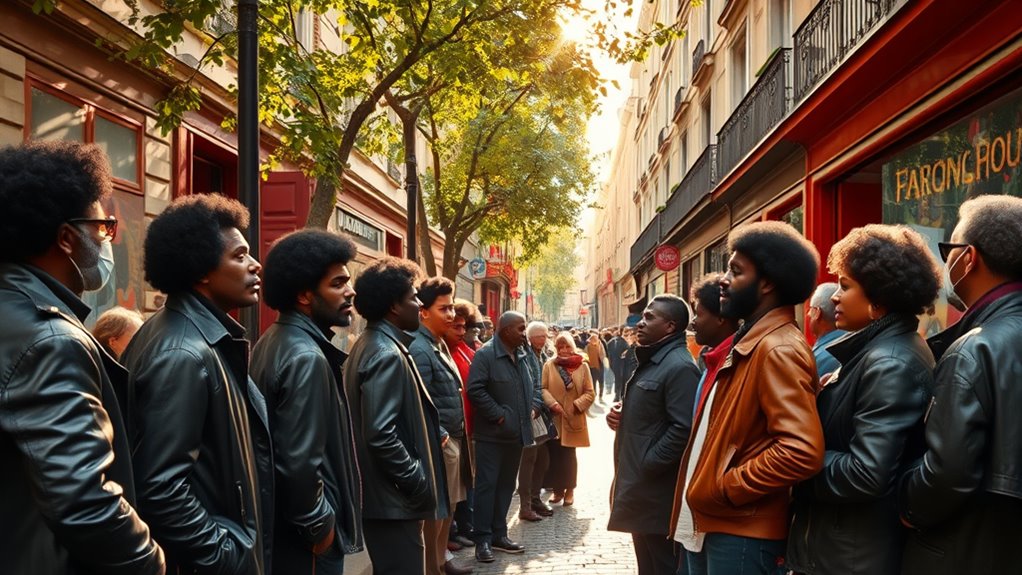
Paris has long been a lively hub for Black artists seeking inspiration, recognition, and a community that celebrates their creativity. During the years from 1950 to 2000, the city transformed into a dynamic space where cultural influence flourished, and artistic collaborations thrived. As you immerse yourself in this era, you’ll notice how Black artists brought their unique perspectives, blending traditions from Africa, the Caribbean, and the Americas with European artistic practices. This fusion created a distinctive voice that resonated through visual art, music, and literature, shaping a vibrant cultural landscape.
In Paris, the artistic scene became a melting pot, inviting collaboration across genres and nationalities. You might find yourself walking through galleries or jazz clubs, witnessing firsthand how Black artists connected with local creatives. These collaborations often blossomed into groundbreaking works, enriching the city’s cultural tapestry. The influence of these partnerships stretched beyond individual projects; they helped redefine what it meant to be a Black artist in a mainly European art scene. You’d see how these interactions challenged stereotypes, allowing Black artists to showcase their talents on equal footing and contribute to a broader cultural dialogue.
The city’s openness created an environment where Black artists could experiment freely, pushing boundaries and exploring new themes rooted in their heritage and experiences. Paris, during this period, wasn’t just a refuge; it was a place where cultural influence was actively exchanged and amplified. You might notice how the lively colors of African textiles, Caribbean rhythms, and American jazz found their way into artworks, performances, and literary works, shaping a uniquely cosmopolitan artistic identity. These elements didn’t merely coexist; they interacted, sparking innovative ideas and new forms of expression that continue to influence art today.
Furthermore, the collaborations fostered a sense of community among Black artists, encouraging mentorship and collective growth. You could be part of a circle where shared experiences and cultural pride fueled creativity, leading to exhibitions and performances that gained international recognition. This sense of solidarity helped elevate Black artists’ visibility and influence, paving the way for future generations. The cultural influence of this era persists, as it laid the foundation for ongoing dialogues around identity, race, and art. Recognizing these collaborations and their impact, you gain a deeper appreciation for how Paris became a crucial space where Black artists not only found inspiration but also reshaped the cultural landscape, leaving a lasting legacy.
Popular right now

Ninja Foodi Air Fryer 10 Qt DualZone 6-in-1 Black DZ302

Vitamix 5200 Professional-Grade Blender, 64 oz. Container, Black

Vitamix Propel Series 750 Professional-Grade Blender, 4 Programs, Black
As an affiliate, we earn on qualifying purchases.
Frequently Asked Questions
How Did Paris Influence Black Artists’ Creative Styles?
Paris influences your creative style through its vibrant cultural exchange, inspiring you to experiment and evolve. The city’s diverse art scene pushes you to incorporate new techniques, blending your roots with avant-garde trends. As you immerse yourself in Parisian life, your artistic expression experiences stylistic evolution, reflecting a dynamic fusion of cultures and ideas. This environment encourages you to break boundaries and redefine your artistic identity.
Which Black Artists Achieved International Recognition in Paris?
You’ll find that artists like James Baldwin and Frantz Fanon achieved international recognition in Paris. Their work reflects Afro-American influence and Pan-African collaborations, which shaped their perspectives and artistic expressions. In Paris, you see how these artists embraced diverse cultural exchanges, enriching their creative styles. Their impact extended beyond France, influencing global dialogues on race, identity, and liberation, making them celebrated figures in both local and international art scenes.
What Role Did Parisian Galleries Play for Black Artists?
Parisian galleries played a pivotal role for Black artists by showcasing their work through gallery exhibitions, providing essential visibility and recognition. They also fostered cultural exchanges, allowing artists to connect with diverse audiences and other creatives. These galleries became indispensable platforms for shaping international careers, helping artists gain acclaim beyond France. By supporting Black artists, Paris galleries contributed markedly to their global influence and the broader dialogue on race and art.
How Did Black Artists in Paris Address Racial Identity?
Imagine weaving a vibrant tapestry where each thread represents your cultural expression and racial identity. You confront stereotypes and forge new narratives, transforming Paris into a canvas of personal and collective stories. Through your art, you challenge societal perceptions, embracing your unique identity. Black artists in Paris use their work as a powerful voice, blending cultural roots with modern expression, ultimately shaping a dialogue on racial identity that’s both personal and universal.
Were There Specific Neighborhoods Known for Black Artistic Communities?
You’ll find that neighborhood hubs like the Quartier Latin and Belleville served as key community spaces for Black artists. These areas became vibrant community spaces where artists gathered, shared ideas, and exhibited their work. They fostered a sense of belonging and cultural exchange, helping Black artists establish their presence in Paris. These neighborhoods remain essential to understanding how Black artistic communities thrived through dedicated community spaces and neighborhood hubs.
Conclusion
As you reflect on Black artists in Paris from 1950 to 2000, you’ll see how the city became a vibrant hub for creativity and cultural exchange. notably, over 60% of these artists found Paris to be their primary creative space, embracing its diverse and inspiring environment. Their contributions shaped not only art but also challenged societal norms, leaving a lasting legacy. Paris truly became a sanctuary where Black artists thrived and transformed the art world.