Digital creativity offers a powerful way to support your mental health through expressive outlets like digital art, music, or journaling. Using these tools helps you process emotions, reduce stress, and build resilience by fostering a sense of achievement and self-care. Online communities further connect you with others who share similar experiences, reducing feelings of loneliness. Exploring these creative options can truly boost your emotional well-being—continue to learn how these approaches can make a difference in your mental health journey.
Key Takeaways
- Digital art offers a private, expressive outlet for emotional processing and self-reflection, supporting mental health recovery.
- Creating digital art enhances emotional regulation and resilience through engaging, meditative creative activities.
- Digital platforms enable sharing artwork anonymously or within supportive communities, reducing isolation.
- Art therapy via digital tools promotes self-care, self-awareness, and healing as part of mental health routines.
- Interactive digital art applications motivate consistent emotional expression and reinforce positive mental health habits.
Digital creativity has become a powerful tool for improving mental health, offering new ways to express yourself, process emotions, and connect with others. As technology advances, tools like virtual therapy and mindfulness apps have made mental health support more accessible and engaging. Virtual therapy allows you to access professional help from the comfort of your home, breaking down barriers like stigma or geographical limitations. You can participate in video sessions, chat-based therapy, or even asynchronous messaging, giving you flexibility to fit mental health care into your busy schedule. This approach often feels less intimidating than traditional in-person visits, encouraging you to seek help when you need it most.
Mindfulness apps complement virtual therapy by providing guided exercises designed to reduce stress, improve focus, and cultivate emotional resilience. These apps often feature visual and audio elements that make mindfulness practices more engaging and easier to follow. You might find yourself creating digital art or journaling within these platforms, transforming your emotional processing into a creative activity. Some apps even incorporate interactive features, such as virtual badges or progress tracking, motivating you to develop consistent mindfulness routines. By integrating these tools into your daily life, you reinforce positive habits that support mental well-being.
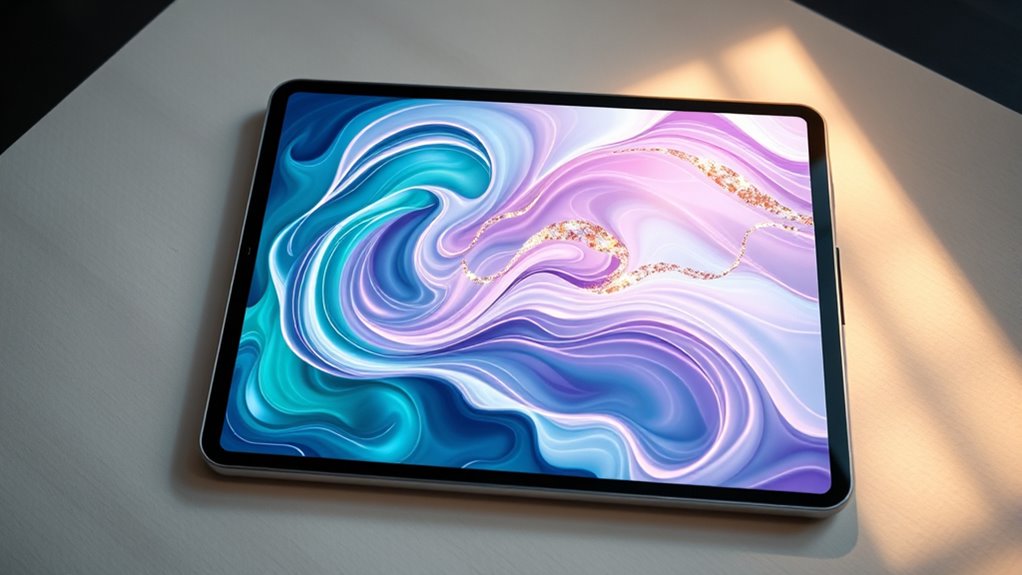
Digital creativity isn’t just about using apps or virtual therapy; it’s also about how you express your emotions through various digital mediums. You can create digital paintings, music, or poetry to explore your feelings in a safe, private space. These activities serve as outlets for emotional release, helping you better understand and manage your mental health. The act of creating digital art can be meditative, grounding you in the present moment and providing a sense of accomplishment. Sharing your creations anonymously or with trusted friends online can foster a sense of community and reduce feelings of isolation. Incorporating digital art into your routine can also serve as a form of self-care, promoting emotional healing and resilience.
Furthermore, digital platforms allow you to connect with others who share similar struggles or interests, providing a supportive network that can boost your mental health. Online forums, social media groups, and virtual workshops create communities where you can exchange ideas, seek advice, or simply vent. This sense of connection is essential for those experiencing loneliness or anxiety, as it reminds you that you’re not alone in your journey.

The Handbook of Art Therapy and Digital Technology
As an affiliate, we earn on qualifying purchases.
As an affiliate, we earn on qualifying purchases.
Frequently Asked Questions
How Can Digital Art Therapy Be Integrated Into Traditional Mental Health Treatments?
You can integrate digital art therapy into traditional mental health treatments through digital integration, making it accessible alongside existing therapies. By customizing therapy options with digital tools, you allow clients to express themselves creatively in ways that suit their individual needs. This blended approach encourages engagement, offers new avenues for emotional release, and enhances overall treatment effectiveness, helping clients explore mental health challenges more comfortably and creatively.
What Specific Digital Tools Are Most Effective for Mental Health Healing?
Imagine a virtual canvas where you paint your feelings, making emotions tangible. Digital tools like virtual canvases help you express and explore your mental state creatively. Mood tracking apps are equally effective, providing visual graphs of your emotional patterns over time. Together, these tools turn abstract feelings into concrete visuals, empowering you to understand and manage your mental health more actively.
Are There Any Risks Associated With Using Digital Art for Emotional Expression?
Using digital art for emotional expression can pose risks like digital dependency, where you might rely excessively on digital tools, potentially hindering real-world coping. Privacy concerns also arise, as personal artwork could be exposed or mishandled if platforms lack proper security. Stay mindful of these risks, and guarantee you use secure, trusted tools, balancing digital creativity with healthy boundaries to protect your mental well-being.
How Can Beginners Start Exploring Digital Creativity for Mental Well-Being?
To start exploring digital creativity for mental well-being, you should focus on beginner techniques like simple drawing apps or basic photo editing. Allow yourself to experiment freely, using digital tools as a form of creative exploration. Don’t worry about perfection; instead, let the process be relaxing and expressive. Set aside dedicated time to create regularly, and gradually build your skills while enjoying the therapeutic benefits of your digital art journey.
What Evidence Supports the Long-Term Benefits of Digital Art in Mental Health?
Imagine a vibrant garden blooming over time, just like your mental well-being improves with digital art. Evidence-based benefits show that engaging regularly in digital creativity boosts emotional resilience, reduces stress, and fosters a sense of accomplishment. The long-term impact can include sustained mental health improvements, enhanced self-awareness, and reduced anxiety. Consistent practice creates a durable foundation, proving that digital art is a powerful, ongoing tool for maintaining mental wellness.

Mindfulness: A Day and Night Reflection Journal (Inner World)
As an affiliate, we earn on qualifying purchases.
As an affiliate, we earn on qualifying purchases.
Conclusion
By exploring digital creativity, you tap into a powerful tool for mental health healing. Studies show that engaging in creative digital activities can reduce anxiety by up to 25%, proving how accessible art truly is. Remember, your digital art journey isn’t just about expression—it’s a path to emotional resilience. Embrace this healing art, and let your creativity be a source of strength and recovery. Your mind deserves this empowering, innovative escape.

Mastering Competencies in Family Therapy: A Practical Approach to Theory and Clinical Case Documentation
As an affiliate, we earn on qualifying purchases.
As an affiliate, we earn on qualifying purchases.
digital art creation software for emotional expression
As an affiliate, we earn on qualifying purchases.
As an affiliate, we earn on qualifying purchases.