
Neo-brutalism in digital aesthetics focuses on exposing raw textures, honest forms, and unrefined interfaces to challenge traditional beauty standards. You’ll notice bold contrasts, rugged surfaces, and straightforward layouts that emphasize function over polish. This style makes digital spaces feel more tangible, durable, and authentic. By embracing rough materials and unpolished design, it encourages a new perspective on digital beauty—if you keep exploring, you’ll discover how this raw approach transforms user experience.
Key Takeaways
- Emphasizes raw textures like concrete and distressed surfaces to create honest, tangible digital interfaces.
- Focuses on functionality with bold typography and stark contrasts, challenging polished aesthetics.
- Uses unrefined forms and exposed materials to evoke durability, permanence, and authenticity.
- Breaks conventional design rules through asymmetry and jagged edges, promoting visceral engagement.
- Prioritizes materiality and purpose over visual polish, redefining beauty in digital design.

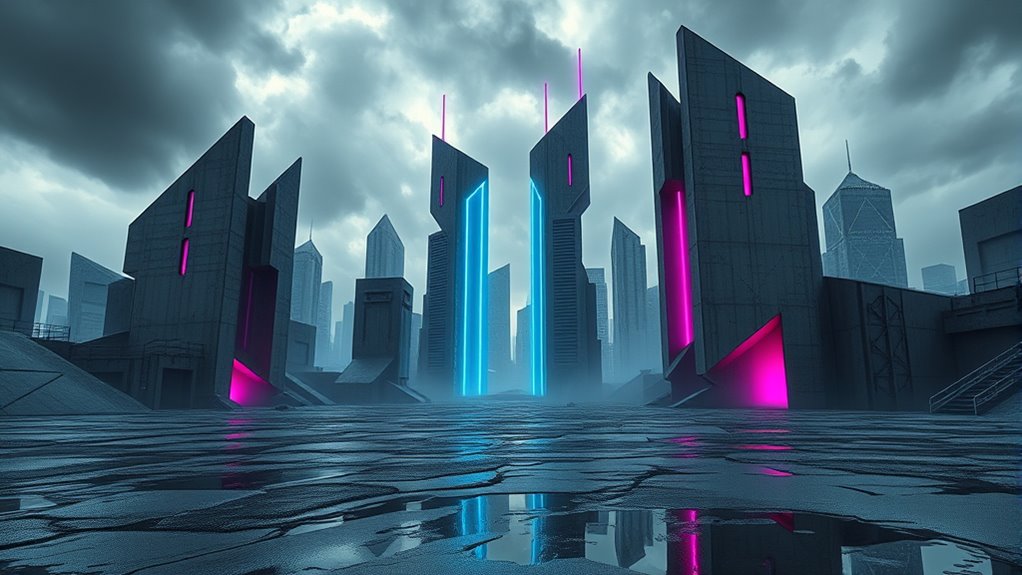
Neo-Brutalism in digital aesthetics has emerged as a bold response to the sleek, polished designs that dominate online spaces. Instead of smooth gradients and shiny surfaces, it emphasizes raw material textures and unrefined forms. When you look at a website or app adopting Neo-Brutalism, you notice the deliberate use of exposed concrete, rough edges, and distressed surfaces. These material textures evoke a sense of honesty and authenticity, challenging the polished veneer of conventional digital design. You’re encouraged to see past superficial aesthetics and engage with interfaces that feel tangible and real, even if they appear intentionally unrefined.
Neo-Brutalism highlights raw textures and unrefined forms, emphasizing honesty and authenticity in digital design.
In terms of user interface design, Neo-Brutalism shifts focus from prettiness to functionality. The design often features stark contrasts, bold typography, and blocky layouts that prioritize clarity over elegance. You’ll find that buttons and icons are straightforward, sometimes appearing as if they’re carved out of concrete or metal, with no unnecessary embellishments. This approach strips away the decorative layers, revealing the core purpose of each element. It’s about making the user experience direct and unpretentious, where the interface communicates its function without distraction. The rough aesthetic may seem jarring at first, but it encourages you to interact more intentionally, appreciating the honesty behind each component. Additionally, the use of high-contrast visuals enhances accessibility and visual impact, making the design both striking and functional.
Material textures play a vital role in conveying the tactile quality of Neo-Brutalist design. Even in a digital environment, textures suggest weight, roughness, or solidity. These tactile cues make the digital space feel more grounded and less ephemeral. When you see a website with a concrete background or a button that looks like it’s made of raw steel, it creates a visceral response—almost as if you could reach out and touch the surface. This emphasis on materiality fosters a sense of durability and permanence, contrasting sharply with the ephemeral, glossy designs that often feel superficial.
User interface design in Neo-Brutalism often breaks conventional rules, favoring utility over beauty. It’s about stripping away unnecessary flourishes and presenting information in a straightforward, no-nonsense manner. You might encounter stark black-and-white color schemes, jagged edges, and asymmetrical layouts, all designed to grab your attention and make you think. This style invites you to scrutinize the interface, to see beyond the surface, and to appreciate the raw honesty of the digital environment. Ultimately, Neo-Brutalism challenges you to rethink what digital beauty truly means—favoring authenticity, materiality, and function over polished perfection.
Neo-Brutalism website templates
As an affiliate, we earn on qualifying purchases.
As an affiliate, we earn on qualifying purchases.
Frequently Asked Questions
How Does Neo-Brutalism Influence User Experience Design?
Neo-brutalism influences your user experience design by emphasizing raw, bold visuals with high color contrast, making interfaces striking and memorable. You’ll often use grid layouts to create a structured, straightforward look that highlights functionality over decoration. This approach encourages you to prioritize clarity and honesty in design, ensuring users easily navigate and engage with the content while appreciating the aesthetic’s unapologetic, rugged appeal.
What Are the Key Differences Between Neo-Brutalism and Traditional Brutalism?
You’ll notice that neo-brutalism differs from traditional brutalism through its emphasis on material contrast and structural expression. While traditional brutalism uses raw, unrefined concrete to evoke honesty, neo-brutalism often combines contrasting materials for visual interest. It also highlights structural elements more intentionally, creating a more dynamic, layered aesthetic. This modern approach maintains the boldness of brutalism but adapts it for digital and contemporary design contexts.
Which Digital Platforms Most Commonly Adopt Neo-Brutalist Aesthetics?
You’ll most often see neo-brutalist aesthetics on platforms like portfolios, design websites, and social media apps. They embrace minimalist interfaces and raw visual textures that challenge polished, sleek designs. These platforms prioritize a bold, unrefined look, making their content stand out. By using rough edges and stark visuals, they evoke authenticity and simplicity, appealing to users who crave unique, unapologetic digital experiences.
How Does Neo-Brutalism Impact Accessibility in Digital Interfaces?
Think of neo-brutalism as a sturdy bridge—its raw, bold design can either connect or block users. It improves accessibility by emphasizing color contrast, making text and elements stand out clearly. Simultaneously, its focus on navigation simplicity reduces confusion, helping everyone find their way easily. However, if not carefully balanced, its stark visuals might overwhelm some users, so thoughtful implementation is key to truly enhancing accessibility.
Are There Notable Artists or Designers Leading Neo-Brutalist Digital Projects?
You should check out artists like Daniel Spatzek and designers such as Alfredo Häberli, who lead neo-brutalist digital projects. They emphasize urban textures and raw visual identities, creating interfaces that feel bold and unpolished. Their work pushes boundaries, making digital spaces more expressive and authentic, inviting users to experience a raw aesthetic that challenges traditional sleekness. These creators are shaping the future of digital design with their distinctive neo-brutalist approach.

Realistic Slate Texture Concrete Texture Mat Stone floor Textures Concrete Seamless Stamp Mat Polyurethane Stamps Concrete Texture Skin Provides Natural-looking Textures on Walls or Concrete Ground.
Stone texture Quick Concrete Texture Skin: Stamp size: 28" x 12", work requires at least one "concrete stamp"…
As an affiliate, we earn on qualifying purchases.
As an affiliate, we earn on qualifying purchases.
Conclusion
As you explore neo-brutalism in digital aesthetics, you begin to see its raw charm as a gentle rebellion against polish. It invites you to appreciate honesty in design, where simplicity softly whispers its truth. Embracing this style, you find beauty in its unpretentious honesty, a quiet reminder that sometimes, less truly is more. Through its unapologetic honesty, neo-brutalism encourages you to look beyond the surface and embrace the authentic rhythm of digital expression.
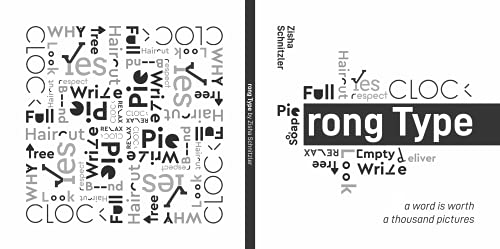
Rong Type (2.0): 150 Creative Typography Words – Creative Typography Visualization Design Word Art Book: A Word Is Worth A Thousand Pictures
As an affiliate, we earn on qualifying purchases.
As an affiliate, we earn on qualifying purchases.
distressed surface UI elements
As an affiliate, we earn on qualifying purchases.
As an affiliate, we earn on qualifying purchases.