
TL;DR

Get art and craft supplies delivered free with Prime
- Fast, free delivery on millions of items
- Prime Video, Amazon Music and more included
- Member-only deals all year
Hyperallergic’s New York newsletter dispatch covers artists’ open studios in Gowanus, Red Hook and Sunset Park, alongside the Tompkins Square Dog Halloween Parade and other arts events. Its Gowanus report contrasts artists’ engagement with the neighborhood’s industrial and polluted history with new luxury development beside a canal undergoing remediation. The dispatch raises concerns about development and public amenities but does not provide new environmental data or a project update.
Hyperallergic’s New York newsletter, Live From the Lavender Lake, reports from artists’ open studios across the city and describes the contrast between new luxury apartments along Gowanus Canal and the neighborhood’s polluted industrial past. The dispatch also covers creative spaces in Red Hook and Sunset Park, the Tompkins Square Dog Halloween Parade and upcoming exhibitions and screenings.
The Gowanus report follows a Saturday open-studio event, where the writer walked through the neighborhood and observed construction and amenities along the canal. The newsletter describes high-rise apartments marketed for waterfront views, with studio rents starting at $3,200 a month, and notes that permanent picnic tables and reclining deck chairs are being installed along the banks. It frames these changes against the canal’s history as a polluted industrial waterway and the ongoing work to address contamination and sewage overflows.
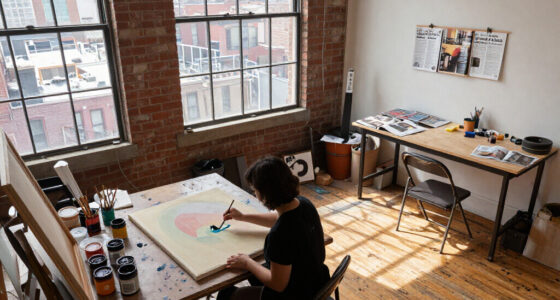
The writer questions whether development and waterfront amenities are arriving ahead of remediation and sewage-overflow prevention. That concern is presented as the writer’s interpretation, not as a finding about the safety of the new buildings, public spaces or canal. The dispatch gives no environmental measurements, construction timeline or official response. At painter Elizabeth O’Reilly’s Union Street studio, the writer reflects on artists’ efforts to draw from and document a neighborhood shaped by both industrial pollution and redevelopment.
Contributor Aaron Short reports on open studios in Red Hook and Sunset Park. The newsletter says Red Hook’s creative community continues 13 months after a five-alarm fire damaged a historic warehouse containing converted artist studios, and describes Sunset Park spaces as still affordable without supplying rent figures. It also points readers to artist Jazmine Hayes’s Percent for Art commission at the new Brownsville Multi-Service Center and highlights other coverage, including a Tompkins Square dog parade and an exhibition by Cannupa Hanska Luger.
Artists Document a Changing Gowanus
The dispatch is a local arts report, but its Gowanus coverage connects cultural activity to a broader neighborhood change: redevelopment beside a canal with a history of industrial pollution. Artists’ studios and open-studio events offer a view of how residents and creators experience that change, while the newsletter’s questions about remediation point to concerns that extend beyond real estate and aesthetics.
The distinction between observation and evidence matters. The writer sees construction, waterfront seating and expensive apartments, then questions the timing of development relative to environmental work. Readers are not given data to assess current water quality or specific health risks. The report’s value is as a record of local concerns and cultural activity, rather than a technical assessment of the canal or a determination that development has outpaced cleanup.
waterfront outdoor seating furniture
As an affiliate, we earn on qualifying purchases.
As an affiliate, we earn on qualifying purchases.
From Industrial Canal to New Towers
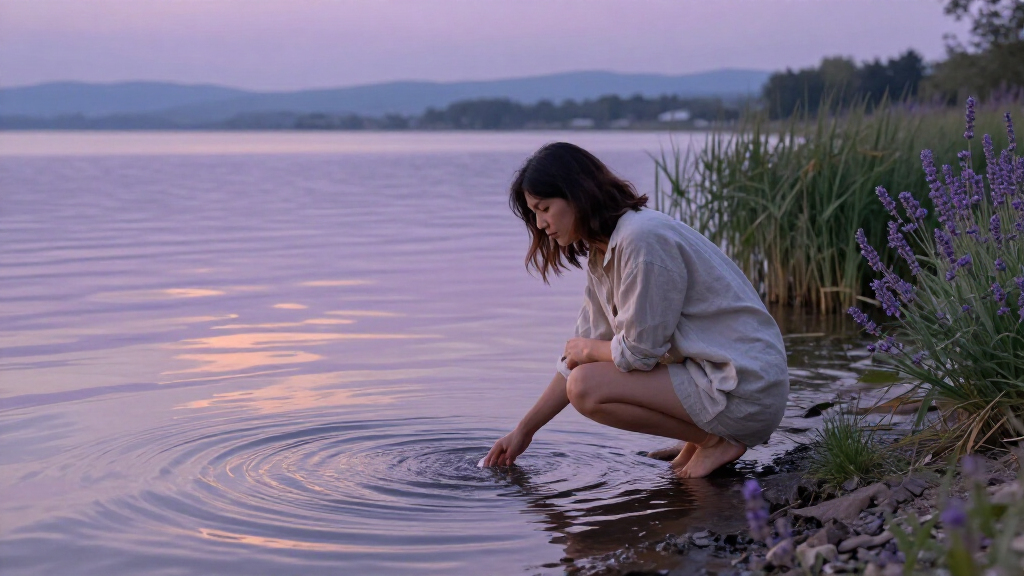
“Lavender Lake” is the nickname the newsletter uses for Gowanus Canal, whose discolored water and industrial history have long defined perceptions of the area. The dispatch describes a neighborhood now marked by a different landscape: glimmering apartment buildings, new waterfront features and studios in converted industrial spaces. It refers to water remediation and sewage-overflow prevention as efforts still relevant to the area, but does not give their status or completion dates.
The newsletter places the Gowanus report among several dispatches on New York’s creative life. It also notes that the Red Hook fire took place 13 months before the reported studio visits, and advertises events and exhibitions with dates, including a Halloween party on October 28 and DOC NYC screenings running from November 11 to November 29. These dates appear in the source material, which does not specify the newsletter’s publication year or exact date.
““The ‘luxury’ high-rises boasting an ‘iconic’ view of the waterfront in its funky fluorescence are still a head-scratcher for me.””
— Hyperallergic newsletter writer
As an affiliate, we earn on qualifying purchases.
Cleanup Status and Dates Unspecified
The dispatch does not establish whether Gowanus Canal remediation or sewage-overflow prevention is on schedule, how much work remains, or what current environmental monitoring shows. It also does not identify the developers behind the apartments or provide independent evidence about the safety of the waterfront seating and other public features. The writer’s concern about development proceeding before environmental work is complete remains an expressed concern, not a verified project finding.
The newsletter’s exact publication date and year are absent from the supplied material, making the current status of its advertised events uncertain. Its references to an exhibition closing on the 24th and a party on October 28 should be read as details from the original dispatch, not as confirmation that those events are still upcoming.
As an affiliate, we earn on qualifying purchases.
Track Cleanup and Arts Listings
The newsletter directs readers to further coverage of artists, exhibitions and screenings, including DOC NYC, listed as running from November 11 through November 29, and Luger’s American Traditional, described as closing on the 24th. Because the source excerpt omits its year and publication date, readers should check the organizers’ current listings before relying on those schedules.
For Gowanus, the unresolved issue is the progress and public reporting of canal remediation and sewage-overflow prevention as development continues. The newsletter does not announce a new cleanup milestone or specify a next official update. Further developments would need to be confirmed through environmental agencies, project records or reporting from the neighborhood.
As an affiliate, we earn on qualifying purchases.
Key Questions
What is “Live From the Lavender Lake” about?
It is a Hyperallergic New York newsletter dispatch covering open studios and arts events. Its Gowanus report focuses on the contrast between waterfront development, artists’ work and the canal’s polluted industrial past.
What did the dispatch report about Gowanus?
The writer described luxury apartment towers, studio rents starting at $3,200 a month, and permanent seating planned along the canal. The newsletter also raised concerns about development timing relative to remediation and sewage-overflow prevention.
Does the report establish that the canal or new waterfront areas are unsafe?
No. The dispatch supplies no environmental test results or safety assessment. Its concerns about cleanup timing are the writer’s views, not a confirmed finding about current conditions.
What other local arts coverage does it include?
The dispatch reports on open studios in Red Hook and Sunset Park, Jazmine Hayes’s public-art commission in Brownsville, and the Tompkins Square Dog Halloween Parade. It also highlights Cannupa Hanska Luger’s American Traditional and lists upcoming arts events.
Source: rss
Halloween Picks
halloween
As an affiliate, we earn on qualifying purchases.