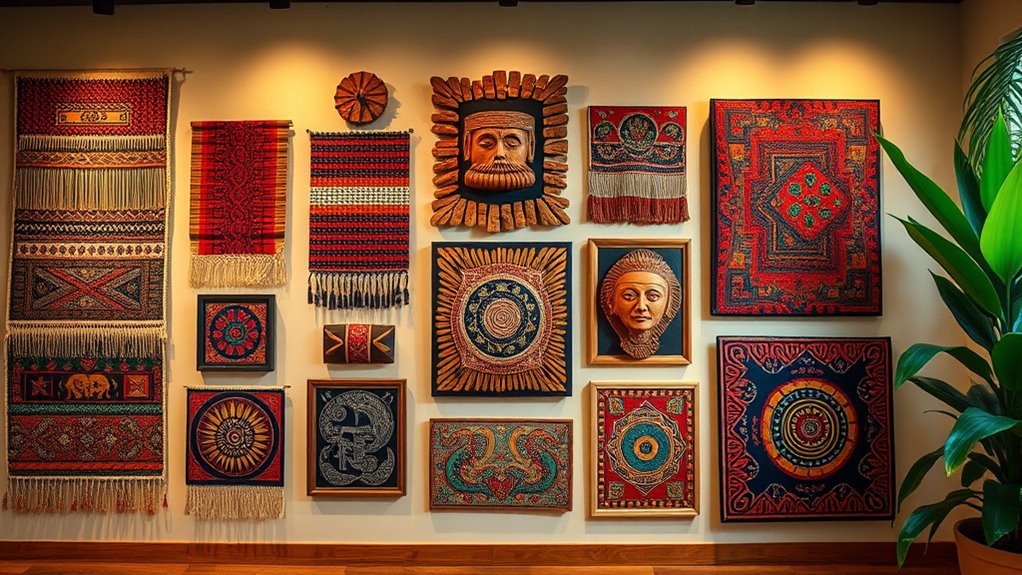

To decolonize art history globally, you need to challenge Western-centric narratives and recognize diverse cultural perspectives. This involves questioning embedded assumptions, exposing colonial influences, and embracing Indigenous methodologies. By prioritizing marginalized voices and supporting practices like repatriation, you can foster a more inclusive understanding of art’s cultural and social contexts. Continuing explores how these approaches transform art history into a more respectful and accurate discipline, reflecting a truly global view.
Key Takeaways
- Decolonizing art history involves challenging Western-centric narratives and incorporating diverse cultural, social, and political contexts globally.
- Postcolonial critique reveals colonial influences on representations, emphasizing power dynamics and marginalized voices in art discourse.
- Indigenous methodologies prioritize Indigenous knowledge systems, relationality, and community engagement in interpreting artworks.
- Re-evaluating museum practices includes supporting repatriation, authentic storytelling, and collaboration with Indigenous communities.
- An inclusive approach continually questions assumptions, amplifies diverse perspectives, and recognizes art as expressions of resilience worldwide.

Decolonizing art history involves challenging traditional narratives that have often marginalized or ignored non-Western perspectives. It requires you to question the assumptions embedded in how art has been studied, interpreted, and valued. Central to this effort is engaging with postcolonial critique, which exposes how colonial histories have shaped representations of cultures and artworks. By applying postcolonial critique, you recognize the power dynamics at play, understanding that Western art histories have historically positioned non-Western art as exotic, peripheral, or primitive. This perspective limits your ability to see these works within their full cultural, political, and social contexts. Instead, you’re encouraged to reframe your approach, valuing non-Western art on its own terms and acknowledging its significance within indigenous communities.
Decolonizing art history challenges Western narratives by valuing non-Western perspectives and cultural contexts.
Integral to this process are Indigenous methodologies, which prioritize the perspectives, knowledge systems, and epistemologies of Indigenous peoples. These methodologies challenge the dominance of Western-centric frameworks, urging you to listen to Indigenous voices and incorporate their ways of understanding art. By doing so, you move beyond merely studying Indigenous art as objects of curiosity or anthropology, and instead recognize them as expressions of living cultures with ongoing histories and meanings. Indigenous methodologies emphasize relationality, community engagement, and respect for cultural protocols, guiding you to approach artworks not just as artifacts but as parts of living traditions. This shift helps dismantle stereotypes and fosters a more accurate, respectful representation of Indigenous peoples and their artistic expressions.
Decolonizing your perspective also involves reevaluating museum practices, collection histories, and exhibition strategies. You’re called to question whose voices are centered and whose are marginalized in these spaces. This might mean supporting repatriation efforts or collaborating directly with Indigenous communities to ensure their narratives are authentically represented. It also means recognizing the power imbalances embedded in the very foundations of art history as a discipline and actively working to rectify them.
Ultimately, decolonizing art history is a process of ongoing reflection and redefinition. You’re invited to challenge your assumptions, broaden your sources, and amplify marginalized voices. When you incorporate postcolonial critique and Indigenous methodologies into your understanding, you contribute to a more inclusive, accurate, and respectful discipline—one that truly acknowledges the diversity of human expression and the complex histories that shape it. This approach enriches your understanding of art, not just as visual objects but as crucial expressions of cultural identity, resistance, and resilience across the globe.
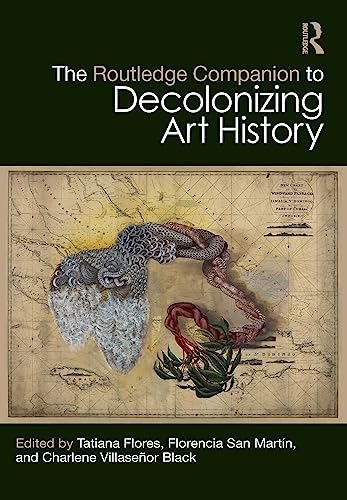
The Routledge Companion to Decolonizing Art History (Routledge Art History and Visual Studies Companions)
As an affiliate, we earn on qualifying purchases.
As an affiliate, we earn on qualifying purchases.
Frequently Asked Questions
How Does Decolonizing Art History Impact Contemporary Art Practices?
Decolonizing art history impacts your contemporary art practices by encouraging you to rethink cultural representation and challenge traditional narratives. You’re inspired to incorporate diverse perspectives, fostering more authentic storytelling. This shift promotes artistic innovation as you explore new influences and break away from Eurocentric standards. By embracing decolonization, you create more inclusive, vibrant artworks that reflect global experiences, enriching your practice and resonating with wider audiences.
What Role Do Indigenous Communities Play in Decolonizing Art History?
Indigenous communities are like the roots of a tree, essential to its strength. They play a crucial role in decolonizing art history by asserting Indigenous sovereignty and leading cultural revitalization efforts. Their perspectives challenge dominant narratives, ensuring their stories and art practices are respected and integrated. By actively participating, they help reshape history, fostering a more inclusive understanding of global art that honors diverse voices and traditions.
How Can Art Institutions Implement Decolonization Initiatives Effectively?
To implement decolonization initiatives effectively, you should prioritize institutional reform by revising curatorial practices and policies to include diverse perspectives. Engage communities actively by fostering genuine dialogue and collaboration, ensuring their voices shape exhibitions and programs. This approach promotes inclusivity and authenticity, helping art institutions move beyond tokenism and genuinely decolonize their spaces, making them more representative of global histories and cultures.
What Are the Challenges of Integrating Non-Western Art Narratives?
Think of weaving a tapestry where each thread tells a different story; integrating non-Western art narratives can be just as complex. You face challenges in ensuring cultural representation feels authentic and respectful, avoiding stereotypes or misinterpretations. Balancing diverse perspectives requires careful listening and openness, so the stories truly reflect their origins. Without this, the narrative risks becoming a patchwork that misses the richness of authentic cultural voices.
How Does Decolonizing Art History Influence Global Cultural Policies?
Decolonizing art history influences global cultural policies by emphasizing cultural sovereignty, ensuring that diverse voices shape their own narratives. You see policy reform becoming essential as institutions recognize the need to value non-Western perspectives and challenge colonial legacies. This shift fosters more inclusive, equitable policies that respect local histories and traditions, ultimately promoting a richer, more global understanding of art. Your role becomes crucial in advocating for these transformative changes.

A Field Guide to Rock Art Symbols of the Greater Southwest
As an affiliate, we earn on qualifying purchases.
As an affiliate, we earn on qualifying purchases.
Conclusion
As you embrace decolonizing art history, remember the echoes of Picasso’s Guernica—reminders of the power in giving voice to the silenced. By challenging dominant narratives, you help rewrite the story, honoring diverse perspectives that have long been marginalized. Just as the phoenix rises from ashes, your efforts can spark a transformative shift, fostering a more inclusive and truthful understanding of art’s global tapestry. Together, you carry the torch of true cultural remembrance and justice.

The Art Museum from Boullée to Bilbao
As an affiliate, we earn on qualifying purchases.
As an affiliate, we earn on qualifying purchases.

A Critique of Postcolonial Reason: Toward a History of the Vanishing Present
As an affiliate, we earn on qualifying purchases.
As an affiliate, we earn on qualifying purchases.