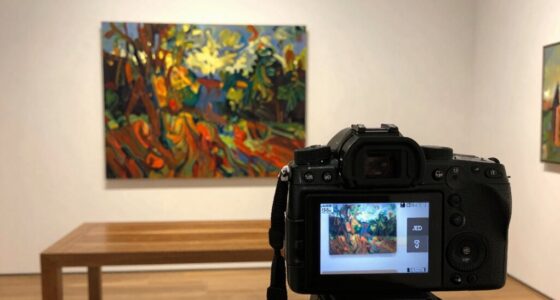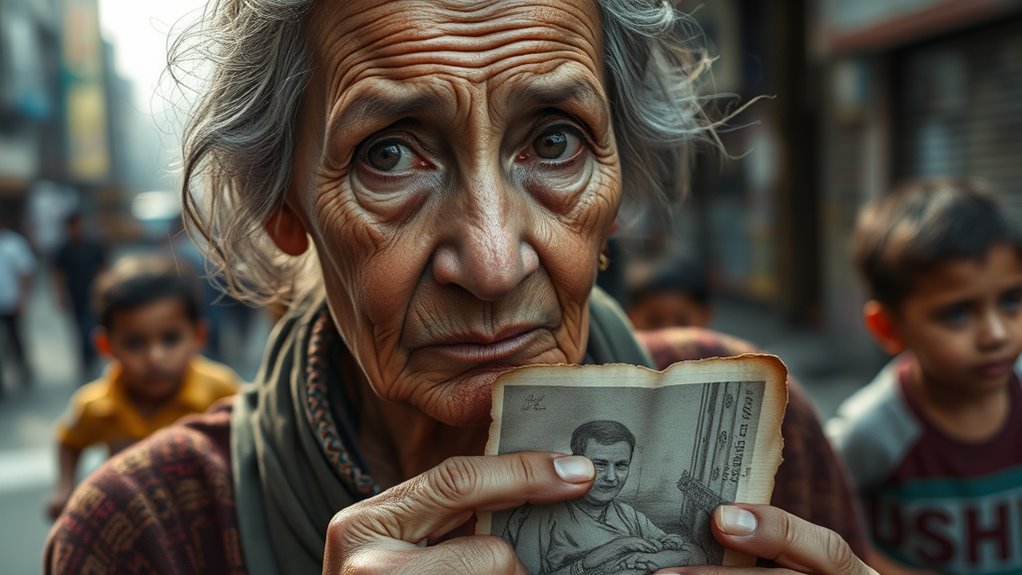

In documentary photography, you must respect your subjects’ dignity, rights, and privacy. Always seek informed consent when possible, explaining how images will be used and respecting their decisions. Be culturally sensitive and avoid stereotypes by learning about communities beforehand. Plan your shoots carefully, balancing storytelling with ethical responsibilities, and be mindful of the potential impact your photos can have. If you observe these principles, you’ll ensure your work remains respectful and impactful—discover how to uphold these standards effectively.
Key Takeaways
- Obtain informed consent from subjects whenever possible, clearly explaining image use and respecting their decision.
- Respect cultural norms and sensitivities to portray communities authentically and avoid stereotypes.
- Prioritize the dignity and privacy of subjects, especially in vulnerable or sensitive situations.
- Assess potential harm or privacy violations, adjusting your approach accordingly to minimize negative impact.
- Use photography responsibly to inform and educate without exploiting or misrepresenting subjects or communities.
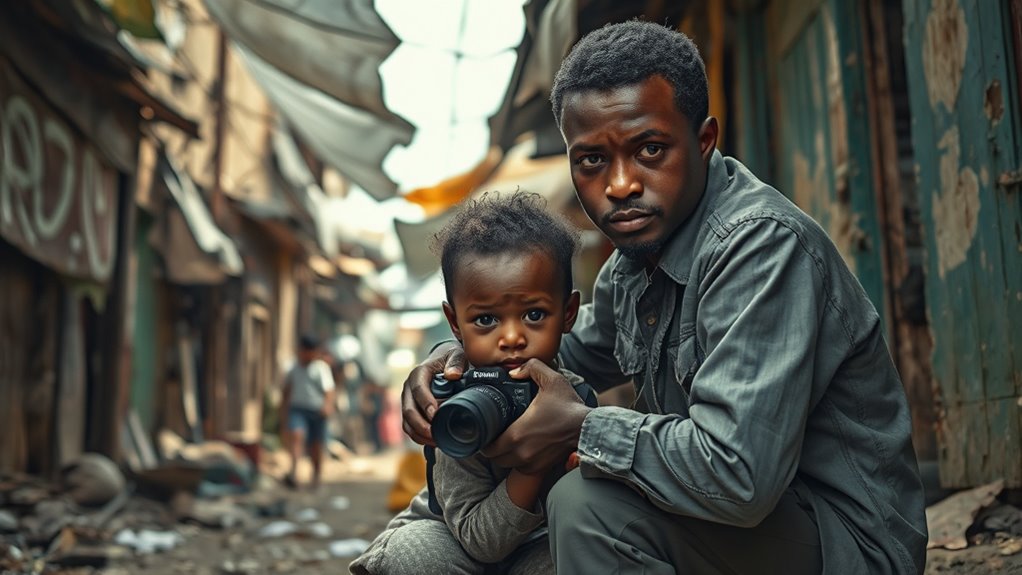
Documentary photography holds a powerful ability to reveal truths and influence public perception, but with this influence comes a significant ethical responsibility. As a photographer capturing real-life moments, you must prioritize the dignity and rights of your subjects. This means understanding the importance of informed consent before taking photographs that could deeply affect someone’s life. When possible, seek permission from your subjects, explaining how the images will be used and ensuring they’re comfortable with being photographed. This not only respects their autonomy but also builds trust, which can lead to more genuine and respectful portrayals. If obtaining consent isn’t feasible—such as in spontaneous moments or public events—you need to weigh the potential impact on those involved and consider whether the photograph might cause harm or violate their privacy.
Cultural sensitivity plays a vital role in ethical documentary photography. You must recognize and respect the cultural norms, beliefs, and customs of the communities you document. Failure to do so can lead to misrepresentation, offense, or exploitation. Before entering a new environment or community, take time to learn about their traditions and social expectations. Approach your subjects with humility and a genuine desire to understand their context, rather than just capturing images for personal or commercial gain. Be mindful of how your presence and photography might influence the community’s dynamics, and avoid reinforcing stereotypes or perpetuating misunderstandings. Your goal should be to depict subjects authentically and respectfully, honoring their dignity and cultural identity.
Maintaining awareness of support hours and the best times to photograph can help in planning respectful and effective documentary projects. Balancing storytelling with ethics requires constant awareness. You should consider whether your images could potentially harm your subjects or invade their privacy. Always ask yourself: Am I portraying this person or community fairly? Am I respecting their wishes and cultural boundaries? If someone objects to being photographed, respect their decision and seek alternative ways to tell their story. Remember, ethical documentary photography isn’t just about capturing compelling images; it’s about doing so responsibly. Your responsibility extends beyond aesthetics to include the impact your photographs have on the people and communities you represent. By prioritizing informed consent and cultural sensitivity, you ensure your work not only informs and educates but also upholds the integrity and respect that every subject deserves.

Mastering Street Photography
As an affiliate, we earn on qualifying purchases.
As an affiliate, we earn on qualifying purchases.
Frequently Asked Questions
How Do Photographers Handle Sensitive Content Ethically?
You handle sensitive content ethically by prioritizing participant anonymity to protect their identities and prevent harm. Always seek informed consent before capturing or sharing such images, ensuring they understand how their story will be used. Avoid narrative manipulation by portraying subjects truthfully and respectfully, refraining from altering or sensationalizing their stories. This approach maintains integrity and respects the dignity of those involved, fostering trust and ethical responsibility.
Should Subjects Always Review Images Before Publication?
You should always seek subjects’ review before publication, as “trust is the foundation of any story.” Implementing clear consent processes respects privacy concerns and allows subjects to voice their comfort levels. By involving them in reviewing images, you demonstrate ethical responsibility, ensuring they’re comfortable with how they’re portrayed. This approach fosters mutual respect, prevents misunderstandings, and upholds integrity—key elements in ethical documentary photography.
What Are the Legal Implications of Unethical Documentary Photography?
If you engage in unethical documentary photography, you risk legal liability for actions like defamation or invasion of privacy. You may also face copyright infringement claims if you use copyrighted images or content without permission. These legal issues can lead to costly lawsuits, fines, and damage to your reputation. To avoid this, always respect subjects’ rights and confirm you have proper rights or permissions before publishing your work.
How Can Photographers Ensure Informed Consent in Vulnerable Communities?
You can guarantee informed consent by engaging with the community through honest dialogue, explaining your intentions clearly, and listening to their concerns. Practice cultural sensitivity by respecting local customs and norms, and avoid pressuring individuals to participate. Building trust through community engagement helps people feel comfortable and informed. Always provide enough information about how their images will be used, ensuring their participation is voluntary and informed.
What Role Does Cultural Context Play in Ethical Decision-Making?
Cultural context acts as your compass, guiding ethical decisions with sensitivity and respect. You must honor the community’s values, traditions, and norms, ensuring your work preserves their dignity. By prioritizing cultural sensitivity and maintaining contextual integrity, you avoid misrepresentation and harm. Think of it as speaking their language—understanding their story fully before capturing it—so your images reflect truth and honor, rather than perpetuate stereotypes or inaccuracies.

Insprinity Photography Idea Cards Original Deck – Unique Themes & Challenges for Photographers & Camera Lovers, Beginners & Pros, Men & Women – Cool Photography Accessory
Deck of 72 photography prompt cards, designed to get photographers from beginner to pro taking pictures more often
As an affiliate, we earn on qualifying purchases.
As an affiliate, we earn on qualifying purchases.
Conclusion
As you navigate the world of documentary photography, remember that ethics are your silent guide. Every image you capture, every story you tell, intertwines with the lives behind the lens—sometimes in ways you least expect. Embrace transparency, respect, and sensitivity, because these values shape trust and authenticity. In this dance of truth and artistry, it’s no coincidence that ethical choices lead to powerful, genuine stories that resonate long after the shutter clicks.

The Heart of a Boy: Celebrating the Strength and Spirit of Boyhood
As an affiliate, we earn on qualifying purchases.
As an affiliate, we earn on qualifying purchases.

Waxing Intake, Consent, and Aftercare Form | Printed Physical 8.5 x 11" A1 Forms | Clients Signature | White and Pink Design
Great Bulk Quantity: 75 pack of simple black and pink design. This pack includes 25 of each form….
As an affiliate, we earn on qualifying purchases.
As an affiliate, we earn on qualifying purchases.