
To reveal rich textures in close-up macro photography, you should focus on controlling your lighting. Use soft, diffused natural light or set up artificial lights like ring flashes and LED panels to evenly illuminate your subject. Position lights at angles that create gentle shadows and highlight surface details. Pair this with a stable setup, precise focus, and experiment with different light intensities and positions. Keep exploring—there’s much more to discovering stunning textures than you might imagine.
Key Takeaways
- Use a macro lens with high magnification to capture fine surface textures clearly.
- Employ diffused natural or artificial lighting to highlight details and minimize reflections.
- Position lights at angles that create gentle shadows, emphasizing surface textures.
- Stabilize your camera with a tripod and focus rail for sharp, detailed close-up images.
- Experiment with light intensity and angles to optimize texture visibility and overall image quality.

Have you ever marveled at the intricate details hidden in everyday objects? When you dive in macro photography to reveal textures, you unlock a world of tiny, often overlooked features that tell fascinating stories. To do this effectively, mastering lighting techniques and making smart equipment choices are essential. Your lighting sets the mood, highlights fine details, and reveals textures in ways that standard photography simply can’t capture. Natural light can work wonders, especially when it’s soft and diffused, like on an overcast day or near a window with sheer curtains. However, for more control, you’ll want to explore additional lighting options. Using a ring flash or small LED panel allows you to evenly illuminate the subject and minimize shadows that can obscure details. Positioning your lights correctly is key; side lighting, for instance, accentuates surface textures by casting gentle shadows that reveal depth and dimension. Conversely, diffused lighting reduces harsh reflections, making it ideal for capturing delicate surfaces such as insect wings or intricate plant fibers. Understanding the importance of lighting techniques can significantly enhance your macro shots. Choosing the right equipment is equally critical. A sturdy macro lens with a high magnification ratio ensures you can get close enough to capture minute textures without losing detail. A tripod becomes your best friend here, providing stability to prevent camera shake during prolonged exposures or when working with slower shutter speeds due to lower light levels. Consider using a focus rail for precise control over your focus plane, especially when working with very shallow depth of field. Lighting equipment choices extend beyond just the light source; diffusers, reflectors, and even small softboxes help shape and soften light, giving you greater control over how textures are highlighted. You might also experiment with extension tubes or close-up filters if your macro lens isn’t allowing enough magnification, but these accessories should be chosen carefully to maintain image quality. As you refine your equipment choices and lighting techniques, remember that patience and experimentation are vital. Small adjustments in light positioning, intensity, or even the angle of your camera can dramatically change the way textures appear in your shots. It’s about finding that perfect balance where textures pop and details are crisp, revealing the rich complexity of your subjects. Whether you’re photographing the rough surface of tree bark or the delicate veins of a leaf, your mastery of lighting and equipment choices will turn ordinary objects into extraordinary, textured works of art. Keep practicing, and soon you’ll see textures in a whole new light, capturing details that mesmerize and inspire.

Vivitar Series 1 +1 +2 +4 +10 Close-Up Macro Filter Set w/Pouch (52mm)
MACRO PHOTOGRAPHY ACCESSORIES: Whether you’ve got a digital camera or dslr camera, our macro lens kit allows you…
As an affiliate, we earn on qualifying purchases.
As an affiliate, we earn on qualifying purchases.
Frequently Asked Questions
What Equipment Is Best for Macro Photography?
To get the best macro shots, you should choose the right macro lens selection, like a 90mm or 105mm lens, for sharp detail. You also need tripod stability to prevent camera shake and keep your images clear. Use a sturdy tripod and a remote shutter release or timer to minimize vibrations. Combining these tools guarantees you capture fine textures and intricate details with precision and clarity.
How Do You Focus Accurately in Close-Up Shots?
To focus accurately in close-up shots, you need to master the dance of depth of field. Use a small aperture to increase it, ensuring more of your subject stays sharp. For pinpoint precision, employ focus stacking—taking multiple shots at different focus points and combining them. This technique helps you achieve impeccable focus across your entire image, capturing intricate textures and details with stunning clarity.
Can Macro Photography Be Done Indoors Effectively?
Yes, you can do macro photography indoors effectively by drawing inspiration from nature and focusing on artistic composition. Use natural light or soft artificial lighting to highlight textures and details. Place your subject against neutral backgrounds for contrast. Get close to your object, guarantee your camera’s focus is precise, and experiment with angles. This approach allows you to capture stunning textures and intricate details, creating mesmerizing images inspired by nature indoors.
What Lighting Techniques Enhance Macro Textures?
To enhance macro textures, you should focus on lighting that reveals detail and depth. Diffuse lighting softens shadows, highlighting intricate textures without harsh contrasts. Side illumination, on the other hand, creates dramatic shadows that emphasize surface details and add dimension. Combining these techniques can dramatically transform your shots, revealing the true richness of textures. Experiment with angles and diffusers to discover the perfect balance that makes your macro images come alive.
How Do You Protect Your Gear During Macro Shoots?
You protect your gear by using lens filters to shield your lens from dust and scratches, especially in tight macro environments. Make certain tripod stability by securing it firmly on a flat surface and using a remote shutter release or timer to avoid vibrations. Always double-check your equipment before shooting, and consider weather-resistant gear if shooting outdoors. These steps keep your macro setup safe and ensure sharp, detailed images.

NEEWER RF1-N Marco Ring Flash Light Compatible with Nikon Camera, 76Ws GN15 5600K TTL Lighting 1-1/128 Output Front/Rear Curtain Sync Color Gels, Lens Adapter Rings for Macro Photography Studio Photo
【Macro Ring Flash Compatible with Nikon】 RF1-N macro ring flash light is compatible with Nikon cameras, lighting equipment…
As an affiliate, we earn on qualifying purchases.
As an affiliate, we earn on qualifying purchases.
Conclusion
As you zoom in on tiny textures, the world suddenly feels vast and intricate. The roughness of bark becomes a delicate lace, while the smoothness of a pebble hides endless patterns. Just like a whisper in a crowded room, these close-up shots reveal secrets hidden in plain sight. Embrace the contrast—where rough meets refined, chaos meets order—and let your curiosity transform ordinary details into extraordinary stories right before your eyes.

SmallRig RM 03 Macro Photography LED Light, Adjustable Beam Angle, 5 Colors CRI95 TLCI92, Bendy Light for Camera with Cold Shoe Adapter, Clamp, Diffuser, Spotlight, Barndoor, Gobos, IP54 Rating – 5480
Adjustable Beam Angle for Precision Shooting: With a high-strength, fatigue-resistant inner metal spring, easy to bend for flexible…
As an affiliate, we earn on qualifying purchases.
As an affiliate, we earn on qualifying purchases.
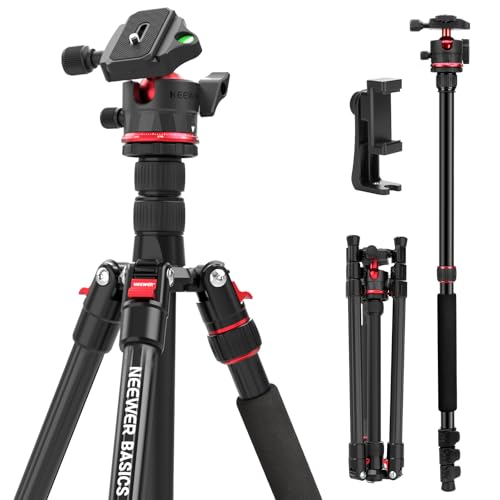
NEEWER Basics 72" / 182 cm Travel Tripod Monopod for Camera, Compact Lightweight Portable Video Recording Stand, Arca Type Ball Head, Cell Phone Holder Compatible with iPhone, Max Load 13.2 lb, TP14B
【Introducing NEEWER BASICS】 Simple and practical, NEEWER BASICS is an economical product line that focuses on essential functions…
As an affiliate, we earn on qualifying purchases.
As an affiliate, we earn on qualifying purchases.