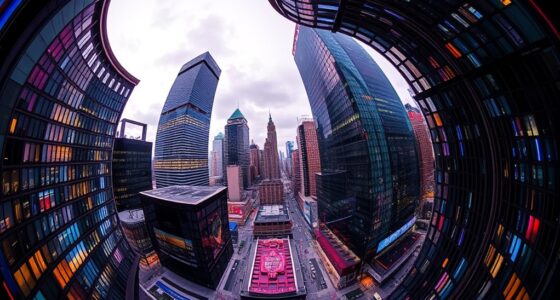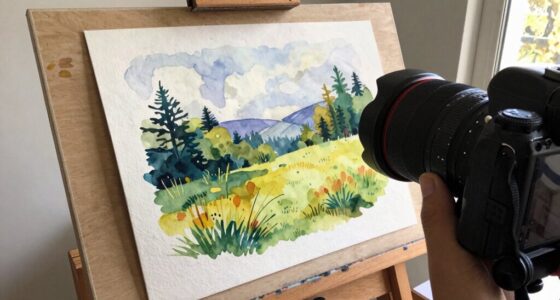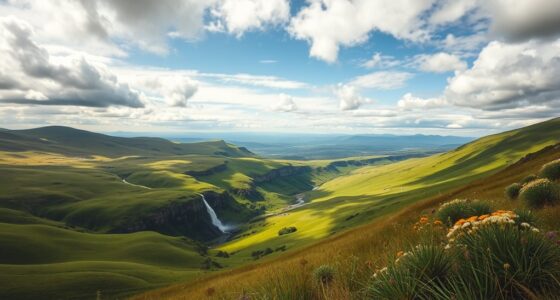

To create moody photography with shadows and depth, focus on mastering lighting techniques like low-key and side lighting to emphasize textures and shadows that add mystery. Use color grading to enhance emotional tones, desaturating or cooling colors to evoke specific moods. Combining thoughtful lighting with controlled shadows helps tell compelling stories and adds dimension. Keep experimenting with different setups, as understanding how light and shadow work together will unseal even more emotional impact in your images.
Key Takeaways
- Moody photography emphasizes shadows and contrast to create depth and evoke emotional storytelling.
- Effective use of low-key lighting enhances shadows, adding mystery and intensity to images.
- Color grading with desaturated, cool, or warm tones complements shadows, deepening mood.
- Combining lighting techniques and strategic color grading amplifies depth and emotional resonance.
- Experimenting with lighting setups and shadows helps craft powerful, atmospheric moody photographs.

Moody photography captures the raw, emotional essence of a scene by emphasizing shadows, muted tones, and dramatic lighting. As you delve into this style, you’ll find that mastering lighting techniques becomes essential. You want your images to evoke feelings through contrasts and subtle nuances, which means playing with shadows to create depth and mystery. Using low-key lighting, for example, can help you isolate subjects and intensify the emotional impact. Side lighting, where light hits from an angle, accentuates textures and adds layers of depth, making your photos resonate with intensity. Remember, the goal isn’t to eliminate shadows but to harness them – allowing them to tell part of your story.
Color grading plays an essential role in achieving that moody aesthetic. After capturing your shot, you can enhance the scene’s emotional tone through careful color grading. Desaturating colors slightly or leaning into cooler tones like deep blues and grays can deepen the sense of melancholy or introspection. Alternatively, warm, muted browns and oranges can evoke nostalgia or warmth within a somber context. The key is to adjust the colors subtly, ensuring they complement the shadows and lighting setup you’ve already established. This process helps unify your image’s mood and guides the viewer’s emotional response.
When you combine these techniques, you begin to craft images that feel alive with depth. Think about how shadows fall across a subject’s face or landscape, creating contrast that draws the eye and hints at underlying stories. Your use of lighting techniques amplifies these shadows, giving your images a sense of three-dimensionality. Then, with thoughtful color grading, you can manipulate the visual tone to match your intended emotion—be it somber, mysterious, or contemplative. This synergy between lighting and color transforms a simple photograph into a powerful narrative.
Practicing these methods requires patience and experimentation. Play with different lighting setups—harsh or soft, natural or artificial—and see how they influence shadows and depth. Likewise, don’t be afraid to push your color grading sliders to find just the right mood. Over time, you’ll develop an intuitive sense of how lighting and color work together to evoke emotion. In moody photography, every element counts, and when you skillfully combine lighting techniques with precise color grading, you produce images that resonate deeply and leave a lasting impression.
Additionally, understanding how to use lighting and shadows effectively can help you create images that stand out in a crowded visual landscape.

2-Pack Photography Lighting Kit, NiceVeedi 25W LED Video Light Kit, 2900-7000K Dimmable Studio Light with Tripod Stand, 73" Stream Light for Video Recording
【MULTIPLE COLOR TEMPERATURE & ADJUSTABLE BRIGHTNESS】Provide 3 Color temperatures (2900K, 4800K & 7000K)to create various lighting atmosphere; This…
As an affiliate, we earn on qualifying purchases.
As an affiliate, we earn on qualifying purchases.
Frequently Asked Questions
How Does Shadow Placement Influence Mood in Photography?
Shadow placement markedly influences mood in photography by creating contrasting shadow contrast and emphasizing certain elements. You can evoke feelings of mystery, tension, or tranquility by strategically positioning shadows. Shadows symbolize hidden emotions or secrets, adding depth to your images. When you control shadow placement, you guide viewers’ perceptions, shaping the overall atmosphere and emotional impact, making your photos more compelling and evocative.
What Camera Settings Are Best for Moody Shadow Effects?
Think of your camera settings as a painter’s toolbox for moody shadows. Use a low ISO (100-400) for clean, deep contrast, and a narrow aperture (f/8-f/16) to emphasize shadows’ texture. Set a slower shutter speed, like 1/60 sec, to enhance dynamic contrast. Adjust color grading in post-processing to deepen shadows and create a dramatic, atmospheric mood that pulls viewers into your scene.
Can Moody Lighting Be Achieved Indoors Without Professional Equipment?
Yes, you can achieve moody lighting indoors without professional equipment. Use artificial lighting like small lamps or candles to create natural contrast and deep shadows. Position the light source strategically to cast shadows on your subject, enhancing depth and mood. Dim the lights and experiment with angles to emphasize shadows, giving your photos a dramatic, moody feel without needing expensive gear.
How Does Post-Processing Enhance Shadows and Depth in Photos?
Did you know that 85% of professional photographers use post-processing to enhance shadows and depth? You can achieve this by applying digital filters and color grading, which intensify contrast and add mood. These tools let you emphasize shadows, create a sense of depth, and evoke emotion in your photos. With careful adjustments, you turn an ordinary shot into a compelling, moody image that captures attention and tells a story.
Are Certain Subjects More Suitable for Moody Shadow Photography?
Yes, certain subjects are more suitable for moody shadow photography. You should focus on subjects that evoke strong emotions or have interesting textures, like architecture, portraits, or natural landscapes. These choices enhance emotional impact by emphasizing shadows and depth, creating a dramatic mood. Thoughtful subject selection allows you to play with light and shadow effectively, making your images more compelling and impactful.

2-Pack LED Video Light Kit, NiceVeedi Studio Light, 2800-6500K Dimmable Photography Lighting Kit with Tripod Stand&Phone Holder, 73" Stream Light for Video Recording, Game Streaming, YouTube
【MULTIPLE COLOR TEMPERATURE & ADJUSTABLE BRIGHTNESS】There are 3 Color temperatures (2800K, 4800K & 6500K) which offer different lighting…
As an affiliate, we earn on qualifying purchases.
As an affiliate, we earn on qualifying purchases.
Conclusion
As you explore moody photography, shadows become your silent allies, turning ordinary scenes into captivating stories. Think of each shadow and depth as brushstrokes on your canvas, adding mystery and emotion. Embrace the darkness, for it’s where true beauty often hides. With every shot, you’re weaving a tapestry of mood and atmosphere, inviting viewers to step into a world where shadows dance and secrets whisper, making your images unforgettable.

Mastering Nikon NX Studio: A Step-by-Step Photo Editing Guide to Stunning Images, RAW Processing, and Effortless Color Grading for Nikon Photographers
As an affiliate, we earn on qualifying purchases.
As an affiliate, we earn on qualifying purchases.

Lighting Techniques for Low Key Portrait Photography
Used Book in Good Condition
As an affiliate, we earn on qualifying purchases.
As an affiliate, we earn on qualifying purchases.