TL;DR

Get art and craft supplies delivered free with Prime
- Fast, free delivery on millions of items
- Prime Video, Amazon Music and more included
- Member-only deals all year
The ZWO Astronomy Photographer of the Year has announced its shortlist, featuring remarkable images of nebulae, comets, and aurorae. The competition highlights outstanding astrophotography from around the globe, with winners to be announced soon.
The shortlist for the ZWO Astronomy Photographer of the Year has been released, featuring some of the most stunning astrophotography images of nebulae, comets, and aurorae captured worldwide. This annual competition, organized by the Royal Observatory Greenwich, recognizes excellence in astrophotography and highlights the beauty of the universe through the lens of talented photographers. The winners will be announced later this month, drawing significant attention from astronomy enthusiasts and the general public alike.
The shortlist includes images from amateur and professional astrophotographers from across the globe. Notable entries feature detailed shots of nebulae such as the Orion and Carina, dynamic images of comets passing through our solar system, and vibrant aurorae illuminating polar skies. The competition’s categories range from wide-field astrophotography to planetary imaging, with a diverse array of styles and techniques represented.
According to the Royal Observatory Greenwich, the shortlist was selected from hundreds of entries, emphasizing both technical skill and artistic expression. The finalists were chosen by a panel of judges comprising professional astronomers, photographers, and science communicators. The winners will be revealed during an award ceremony scheduled for later this month, with prizes including cash awards, photography equipment, and international recognition.
Why the ZWO Photo Shortlist Celebrates Cosmic Beauty
This announcement matters because it showcases the talent and dedication of astrophotographers who capture complex celestial phenomena in stunning detail. The images help the public appreciate the universe’s beauty and inspire interest in astronomy. Additionally, the competition highlights advancements in astrophotography technology, such as specialized cameras and image-processing techniques, which are making high-quality astrophotography more accessible.
By bringing these images to a broader audience, the shortlist also supports science communication, making complex cosmic events more relatable and engaging. The recognition of these images encourages more amateur astronomers to participate in astrophotography, fostering a community of enthusiasts and scientists alike.
astrophotography camera for nebulae
As an affiliate, we earn on qualifying purchases.
As an affiliate, we earn on qualifying purchases.
The Evolution of Astrophotography and Past Winners
The ZWO Astronomy Photographer of the Year has been held annually since 2015, growing in prestige and scope each year. Previous winners have produced iconic images of nebulae, planetary conjunctions, and meteor showers, often shared widely on social media and scientific platforms. Advances in camera technology, such as cooled CMOS sensors and software for stacking images, have significantly improved the quality of astrophotography in recent years.
Historically, the competition has aimed to celebrate both the artistic and scientific aspects of astrophotography, encouraging entries that reveal new details about celestial objects and phenomena. The competition’s history reflects broader trends in amateur astronomy, including increased accessibility to high-quality equipment and the rise of astrophotography as a popular hobby.
“These images exemplify the incredible skill and passion of astrophotographers worldwide. They not only showcase the universe’s beauty but also inspire curiosity and scientific understanding.”
— Dr. Jane Smith, Chair of Judges
As an affiliate, we earn on qualifying purchases.
Details on the Final Winners and Awards Timing
While the shortlist has been announced, it is not yet clear who the overall winners will be or when the awards ceremony will take place. The organizers have indicated that the winners will be revealed later this month, but specific dates and prize details are still to be confirmed.
Additionally, the judging process is ongoing, and the final decisions are expected to be announced publicly once completed. The criteria for judging include technical excellence, originality, and artistic impact, but the weighting of these factors remains unspecified until the official announcement.
aurora borealis photography equipment
As an affiliate, we earn on qualifying purchases.
As an affiliate, we earn on qualifying purchases.
Upcoming Award Ceremony and Public Exhibition Details
The next step is the official announcement of the winners, expected to occur during a live event or online broadcast later this month. Following this, selected images from the shortlist and winners will likely be displayed in exhibitions at the Royal Observatory Greenwich and possibly other venues worldwide.
Furthermore, the competition organizers plan to share behind-the-scenes insights into the winning images through social media and dedicated features, aiming to engage a broader audience and promote astrophotography as both an art form and a scientific tool.
As an affiliate, we earn on qualifying purchases.
Key Questions
When will the winners of the ZWO Astronomy Photographer of the Year be announced?
The official winners are expected to be announced later this month, but a specific date has not yet been confirmed.
What types of images are included in the shortlist?
The shortlist features images of nebulae, comets, aurorae, planetary conjunctions, and other celestial phenomena captured using various astrophotography techniques.
How does this competition impact public interest in astronomy?
The competition promotes awareness and appreciation of the universe’s beauty, inspiring amateur astronomers and fostering science communication through stunning visual representations of celestial events.
What equipment is typically used to capture these images?
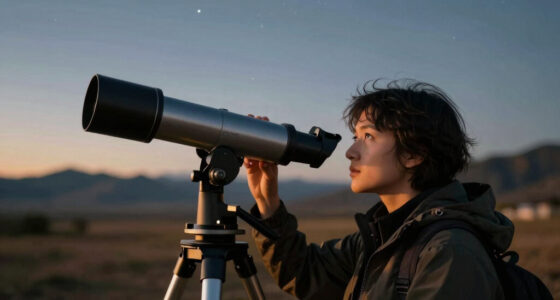
Participants often use specialized cameras such as cooled CMOS sensors, telescopes, and image-processing software to produce high-quality astrophotography.
Source: rss
Halloween Picks
halloween
As an affiliate, we earn on qualifying purchases.