
TL;DR

Get art and craft supplies delivered free with Prime
- Fast, free delivery on millions of items
- Prime Video, Amazon Music and more included
- Member-only deals all year
Ed Woodham, a celebrated artist and activist, remains active in public art and community engagement through his projects like Art in Odd Places. His work challenges societal norms and advocates for social change, with ongoing influence in the art world.
Ed Woodham, the influential artist and public art advocate, continues to lead and participate in community-based art projects, including the ongoing Art in Odd Places festival, which remains a platform for social critique and activism.
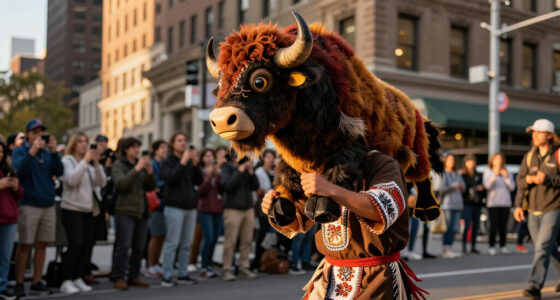
Woodham, 69, is best known for founding Art in Odd Places, a public art group initially created for the 1996 Atlanta Olympics and later revived in New York after 2001. The group has hosted annual street festivals featuring participatory and provocative art, notably in Manhattan’s Lower East Side and along 14th Street.
His work emphasizes community engagement and social critique, often challenging corporate and governmental power through off-kilter performances and interventions. Woodham also teaches at the School of Visual Arts, focusing on creating art that questions unchecked authority and corporate influence in public space.
In an interview, Woodham reflected on his life as a queer man, revealing his quiet coming out in 1976 in Georgia, and discussed his approach to art as a form of activism rooted in the margins rather than mainstream validation. He expressed ongoing suspicion of market-driven art and emphasized integrity and social usefulness in his work.
The Impact of Woodham’s Public Art Activism
Woodham’s ongoing projects exemplify how public art can serve as a tool for social critique and community engagement. His work challenges the commercialization and gentrification of neighborhoods, and his approach inspires contemporary artists to prioritize activism and social justice in their practice. As a queer elder, his life and work also highlight the importance of representation and resilience within marginalized communities.
As an affiliate, we earn on qualifying purchases.
Historical and Cultural Roots of Woodham’s Activism
Woodham’s activism began in Atlanta during the 1990s, where he co-founded Art in Odd Places as part of the city’s cultural programming for the Olympics. After relocating to New York, he revived the group post-9/11 as a response to the decline of public space and civil liberties under the Patriot Act. His work has consistently centered on community participation, social critique, and activism, reflecting broader trends in public art and social practice over the past three decades.
“Experiences like this forced a difficult question: What happens when the language of social practice becomes a tool of the very systems it once hoped to challenge?”
— Ed Woodham
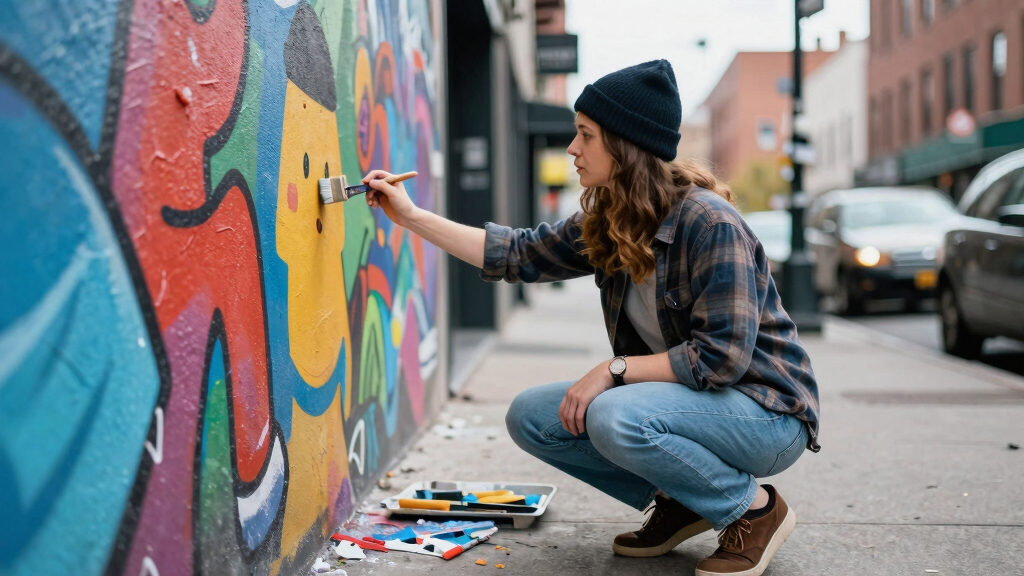
street art supplies for social critique
As an affiliate, we earn on qualifying purchases.
As an affiliate, we earn on qualifying purchases.
Unclear Aspects of Woodham’s Current Activities
While Woodham remains active in public art and community projects, specific details about upcoming Art in Odd Places festivals or new initiatives are not yet publicly confirmed. It is also unclear how his work continues to evolve in response to recent social and political developments.
As an affiliate, we earn on qualifying purchases.
Next Steps for Woodham’s Public Art Initiatives
Expect further iterations of Art in Odd Places, possibly including new themes addressing current social issues. Woodham may also expand his educational work and mentorship, fostering new generations of socially engaged artists. Details about scheduled events or new projects are expected to be announced later in 2026.
As an affiliate, we earn on qualifying purchases.
Key Questions
What is Ed Woodham most known for?
He is best known for founding Art in Odd Places, a public art initiative that uses street festivals and interventions to promote social critique and community engagement.
How does Woodham view the role of public art?
He sees public art as a tool for activism, community building, and challenging societal power structures, rather than merely aesthetic or commercial endeavors.
Is Woodham still active in public art today?
Yes, he continues to participate in and lead public art projects, including ongoing festivals and educational initiatives, although specific upcoming events have not been publicly detailed.
What influence has Woodham had on the art community?
His work has inspired a focus on social practice art, emphasizing activism, community participation, and the importance of art as a form of social critique.
Source: rss
Columbus Day / Indigenous Peoples' Day Picks
long weekend sales
As an affiliate, we earn on qualifying purchases.