HEPA filters trap tiny airborne particles like dust, pollen, bacteria, and pet dander with high efficiency, capturing particles as small as 0.3 microns. However, they don’t remove gases, odors, or particles smaller than 0.1 microns, like some viruses or smoke. While very effective for allergens and microbes, they only offer part of the solution for all-encompassing air quality. Discover more about how they work and their limitations if you want better indoor air protection.
Key Takeaways
- HEPA filters trap airborne particles like pollen, dust, bacteria, and viruses as small as 0.3 microns with 99.97% efficiency.
- They effectively reduce indoor allergens and pollutants but are less effective against particles smaller than 0.1 microns, like some viruses.
- HEPA filters do not remove gases, odors, or chemical vapors; additional filters such as activated carbon are needed for these.
- They work through diffusion, interception, and impaction, capturing particles by guiding airflow toward dense fibers.
- For comprehensive air purification, combining HEPA with UV and activated carbon filters provides better protection against microbes, gases, and odors.
How Do HEPA Filters Trap Tiny Particles?
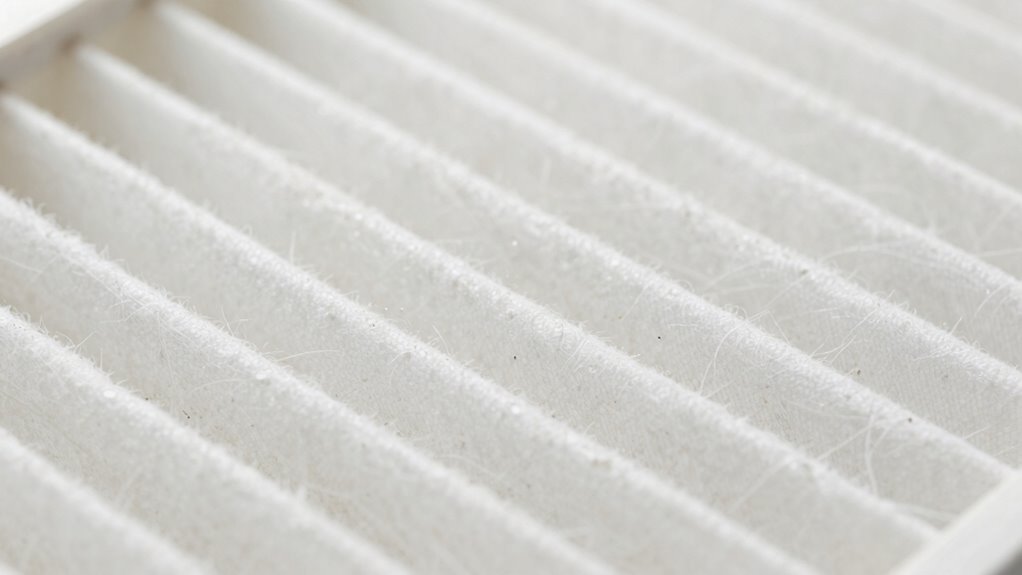
HEPA filters trap tiny particles through a process called diffusion, interception, and impaction. Understanding airflow dynamics helps you see how particles move toward the filter fibers. As air flows through, larger particles are caught by impaction, hitting fibers directly. Smaller particles, which might slip past, are captured via diffusion, bouncing around until they hit a fiber. Interception occurs when particles follow airflow lines closely enough to come into contact with fibers. To keep this process effective, you need to prioritize filter maintenance. Regularly replacing or cleaning the filter ensures airflow remains smooth and particles are efficiently captured. If you neglect filter maintenance, airflow can become restricted, reducing the filter’s ability to trap tiny particles and compromising air quality. Proper maintenance also prevents filter degradation, which can reduce filtration efficiency over time. Additionally, understanding airflow dynamics helps optimize filter placement and operation for maximum efficiency, ensuring continued *particle capture efficiency*. Recognizing the importance of filter design can further improve the effectiveness of HEPA filters in capturing particles.
What Particles Do HEPA Filters Capture?

HEPA filters are designed to trap tiny particles that can be found in the air around you. They effectively remove allergens and dust, helping improve indoor air quality. Additionally, they block bacteria and viruses, providing a safer environment. Emerging trends in fan engagement highlight how advanced filtration systems are being integrated into smart building technologies to enhance user comfort and health. Incorporating Indonesian decor masks into interior design can also contribute to a culturally rich and aesthetically pleasing atmosphere. Furthermore, understanding the urban pursuits and cultural activities within local environments can deepen appreciation for the diverse contexts in which air quality plays a role. Recognizing how air filtration systems are evolving is essential for staying informed about healthy living spaces. Staying aware of smart lock innovations can also contribute to overall building security and safety.
Tiny Particles Filtered Out
Because tiny particles can easily bypass ordinary filters, specialized filtration is vital to capture them effectively. HEPA filters excel at trapping particles with very small sizes, often as small as 0.3 microns. Their high filtration efficiency guarantees that even these microscopic particles don’t slip through. Particle size plays a pivotal role in how well a filter performs; smaller particles are harder to catch, but HEPA filters are designed to maximize their effectiveness in trapping such particles. This makes them ideal for removing airborne contaminants like bacteria, smoke, and fine dust. Additionally, filtration efficiency is a key factor in a HEPA filter’s ability to catch tiny particles, typically around 99.97%. This high efficiency assures that most microscopic particles are filtered out, improving air quality profoundly.
Allergens and Dust Trapped
Since allergens and dust particles are often too small to be seen, they can easily linger in the air and cause health issues. HEPA filters are effective at capturing airborne pollen, pet dander, and other tiny particles that trigger allergies. These filters trap these allergens by forcing air through dense fibers that catch particles as small as 0.3 microns. When you use a HEPA filter, you considerably reduce the amount of airborne pollen and pet dander circulating in your environment. This means fewer allergy symptoms, clearer breathing, and a healthier space overall. Keep in mind, while HEPA filters are excellent at trapping these particles, regular maintenance and filter replacement are essential to maintain their effectiveness over time. Proper filter maintenance is crucial for ensuring optimal performance and continued allergy relief. Additionally, understanding the limitations of HEPA filters helps set realistic expectations for their protective capabilities. Regularly checking filter indicators can help you monitor when replacements are needed to sustain their filtering efficiency. To maximize their effectiveness, it is also important to ensure proper airflow and placement of the filters within your space.
Bacteria and Viruses Blocked
While bacteria and viruses are often much smaller than dust particles, HEPA filters are still highly effective at capturing them. Their dense fiber structure traps airborne pathogens, reducing the risk of disease transmission. HEPA filters meet strict air quality standards, ensuring they can capture particles as small as 0.3 microns with 99.97% efficiency. This is essential in environments where antibiotic resistance is a concern, as reducing airborne bacteria can limit infection spread. Although viruses are typically smaller, many attach to larger droplets or aerosols, making HEPA filtration effective. Glycolic acid products are known for their exfoliating properties that improve skin texture and clarity, similar to how HEPA filters improve air quality by removing tiny particles. By removing these microscopic threats, HEPA filters help improve indoor air quality and protect vulnerable populations from airborne illnesses, aligning with health standards designed to minimize health risks and promote cleaner air.
Are HEPA Filters Effective Against Viruses and Bacteria?
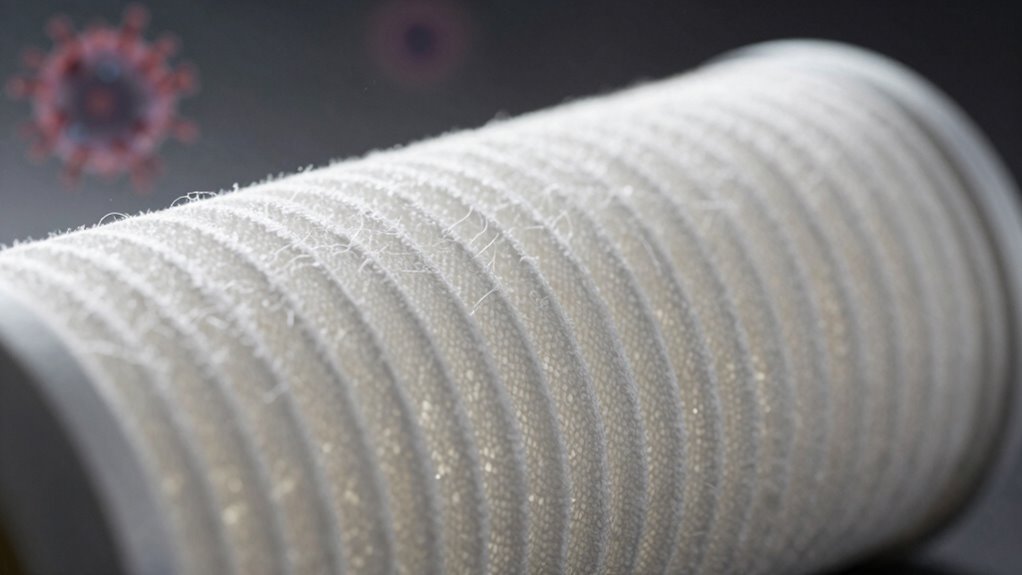
Are HEPA filters truly effective against viruses and bacteria? Yes, they are highly efficient at capturing airborne transmission particles, including many viruses and bacteria. These filters remove 99.97% of particles as small as 0.3 microns, which includes many pathogens. However, for maximum performance, you must prioritize filter maintenance, replacing or cleaning filters regularly to prevent reduced effectiveness. Proper maintenance is crucial for ensuring the filters operate at peak efficiency. Keep in mind, while HEPA filters trap microbes effectively, they don’t eliminate the risk of infection entirely, especially if air exchange isn’t frequent. To help you understand better, here’s a quick comparison:
| Aspect | Details |
|---|---|
| Particle Size | Viruses and bacteria are often smaller than 0.3 microns but are captured via interception and diffusion. Filtration mechanisms enhance their effectiveness against these tiny particles. |
| Effectiveness | High against airborne transmission if maintained properly. Additionally, proper air filtration can significantly reduce indoor pathogen levels. |
| Filter Maintenance | Ensures ongoing efficiency |
| Limitations | Does not prevent all airborne infection |
| Application | Suitable for healthcare, homes, and offices |
Regularly checking air filtration performance is essential to ensure ongoing protection.
What Limitations Do HEPA Filters Have?

HEPA filters can only trap particles within a specific size range, so some tiny pollutants might pass through. They’re also ineffective against gases and vapors, which can still affect air quality. Plus, they don’t reliably remove viruses, leaving potential gaps in protection. Understanding filter limitations helps in making informed decisions about air purification. Additionally, factors like filter lifespan and proper maintenance influence their overall effectiveness. Moreover, the effectiveness of HEPA filters is also impacted by airflow rates, which need to be optimized for best performance. It’s also important to consider filter replacement frequency to ensure ongoing filtration efficiency.
Limited Particle Size Range
Have you ever wondered if HEPA filters can catch every tiny particle? While they excel at trapping most pollutants, their filtration efficiency has limits based on particle size. HEPA filters are designed to target particles around 0.3 microns, but some smaller particles slip through. Think of it like trying to catch:
- Invisible viruses that are less than 0.1 microns
- Ultrafine particles from vehicle emissions
- Tiny smoke particles from fires
These particles are often too small for the filter to effectively trap, meaning some pollutants bypass filtration. Although HEPA filters are highly effective for most airborne contaminants, their ability to capture particles diminishes at the extremes of the size spectrum. This size range limitation is a key factor in understanding what HEPA filters can and can’t do.
Ineffective Against Gases
While HEPA filters excel at capturing particles, they fall short when it comes to gases and vapors. They don’t facilitate gas exchange or neutralize odors effectively. Gases like VOCs, fumes, and chemical vapors pass through HEPA filters because these filters target solid particles, not gaseous molecules. This means odors from cooking, smoke, or chemicals won’t be eliminated solely by a HEPA filter. If you’re trying to remove unwanted smells or harmful gases from your environment, you’ll need additional filtration methods like activated carbon filters, which are designed to adsorb gases and vapors. HEPA filters alone won’t address these issues, so relying solely on them for odor elimination or gas control leaves gaps in your air purification strategy.
Does Not Remove Viruses
Are HEPA filters effective at capturing viruses? Not entirely. While they excel at trapping airborne particles, they don’t guarantee germ elimination or prevent viral transmission completely. Viruses are tiny, often smaller than the filter’s pore size, which means they can slip through or hitch a ride on larger particles. Imagine:
- Viruses floating in the air, just out of HEPA’s reach
- Viral particles passing through gaps or bypassing the filter
- Larger droplets containing viruses getting caught, but fine aerosols escaping
Because of this, HEPA filters alone can’t fully stop viruses from spreading. They reduce the risk but don’t eliminate it. For complete viral protection, consider combining HEPA filtration with other measures like masks, ventilation, and sanitization.
How Do HEPA Filters Compare to Other Air Purification Technologies?
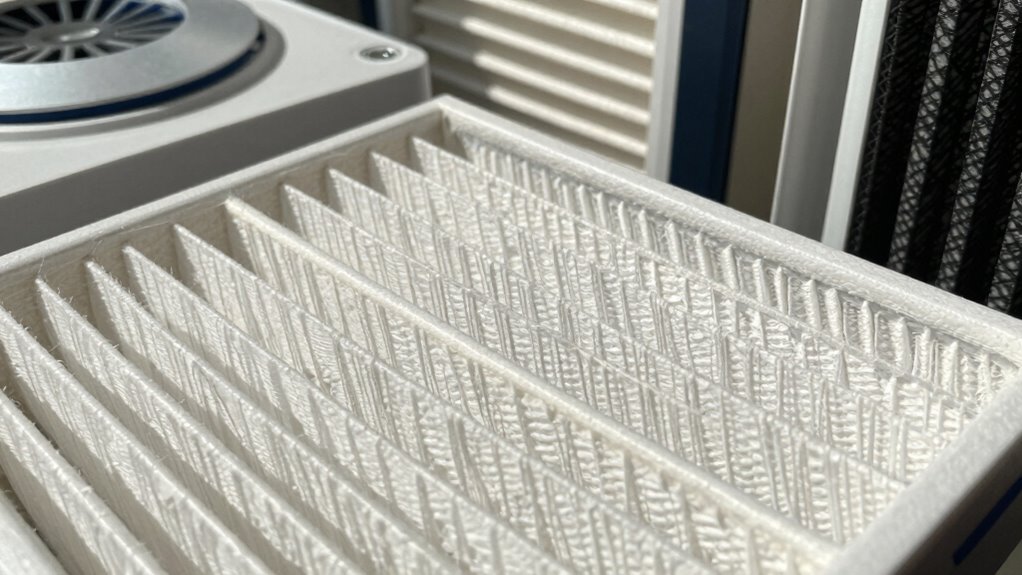
HEPA filters stand out among air purification methods because they effectively trap tiny particles like allergens, dust, and bacteria. When you compare air purification technologies, HEPA filters excel in capturing particles as small as 0.3 microns, making them highly efficient. Other options, such as activated carbon filters or UV purifiers, target different pollutants—carbon filters absorb odors and chemicals, while UV systems deactivate microorganisms. The main filtration technology differences lie in how these systems operate: HEPA uses dense fibers to physically trap particles, whereas activated carbon relies on adsorption, and UV uses light to sterilize. Depending on your needs, you might choose one or combine technologies for all-encompassing air cleaning. Understanding these distinctions helps you select the most effective air purification solution for your space.
How Well Do HEPA Filters Remove Allergens and Indoor Pollutants?
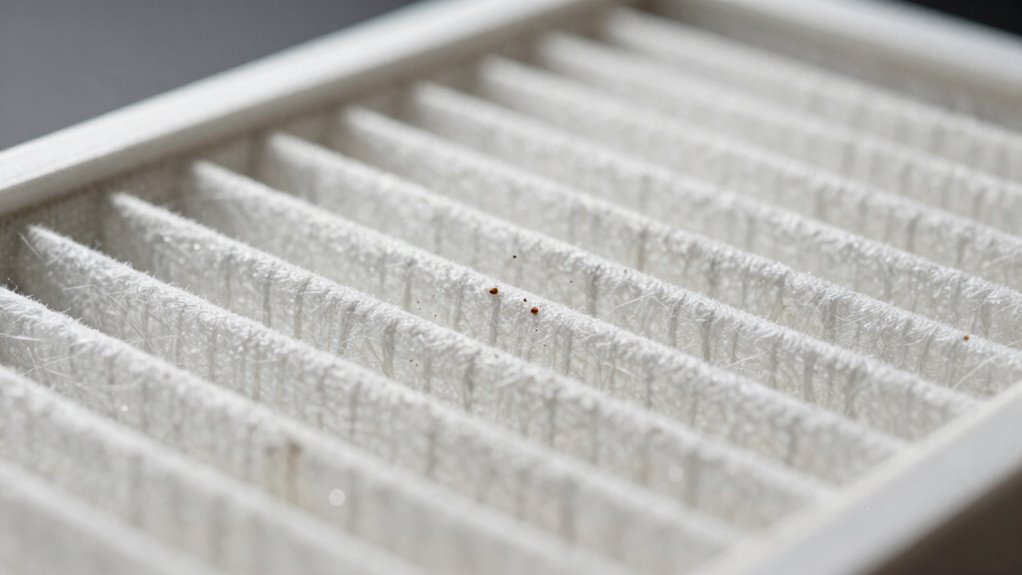
HEPA filters are highly effective at removing allergens and indoor pollutants from the air you breathe. They trap tiny particles such as pollen, pet dander, and mold spores, considerably improving your air quality. When working properly, a HEPA filter can capture 99.97% of particles as small as 0.3 microns. Visualize dust settling on surfaces, pollen floating in sunlight, and pet fur clinging to fabric—all of which the filter can reduce. To maintain this level of efficiency, regular filter maintenance is essential. If you neglect it, airflow decreases, and allergens may bypass the filter. Keep your filter clean and replace it according to manufacturer recommendations to guarantee maximum allergen removal and indoor air quality.
What Features Matter When Choosing a HEPA Filter or Air Purifier?

Choosing the right air purifier or HEPA filter depends on several key features that guarantee ideal performance and suitability for your space. Focus on the filter’s CADR rating, which indicates how effectively it cleans air quickly. Consider noise levels if you’ll run it in a bedroom or office. The filter’s maintenance needs are also crucial; easier-to-replace filters save time and ensure consistent air quality.
| Feature | Why It Matters |
|---|---|
| CADR Rating | Ensures rapid, effective air cleaning |
| Filter Maintenance | Simplifies upkeep, maintains optimal performance |
| Coverage Area | Matches your room size for best results |
| Noise Levels | Keeps operation quiet during use |
When Might HEPA Filters Not Be Enough?
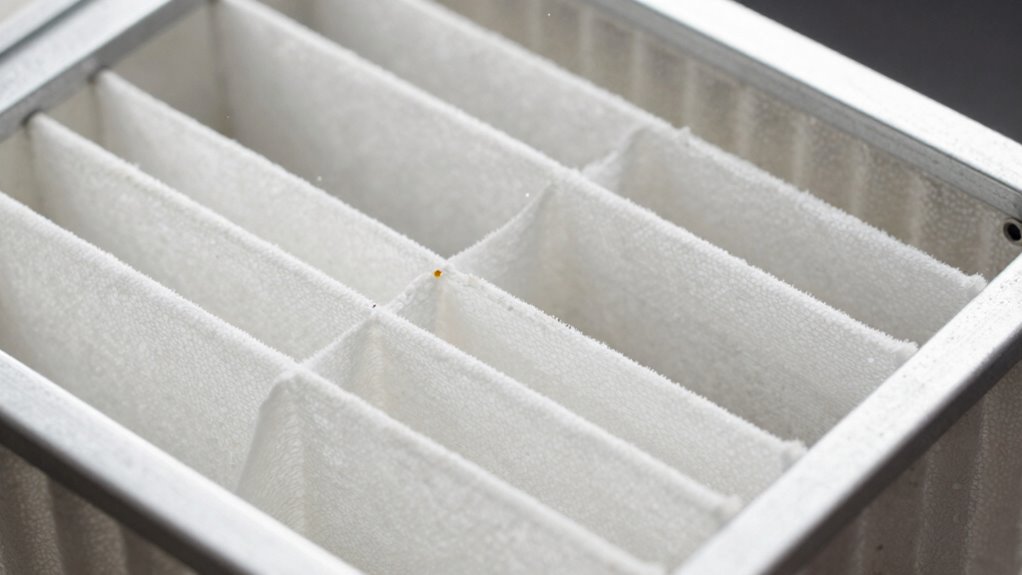
While HEPA filters are highly effective at capturing airborne particles, there are situations where they might not provide complete protection. If your air quality issues stem from gases, odors, or chemical fumes, HEPA filters alone won’t suffice—they don’t trap these pollutants. Additionally, poor filter maintenance can reduce efficiency, letting particles slip through or circulating contaminated air. Imagine:
- Dust and allergens accumulating faster, overwhelming your filter.
- Odors lingering despite filtration efforts.
- Toxic gases bypassing the filter due to inadequate replacement intervals.
In such cases, relying solely on a HEPA filter isn’t enough. You may need additional air purification methods or specialized filters to guarantee ideal air quality and maintain the filter’s effectiveness over time.
Frequently Asked Questions
How Long Do HEPA Filters Typically Last Before Replacement?
You should replace your HEPA filter every 6 to 12 months, depending on usage and air quality. The filter lifespan varies with factors like pollution levels and household size. Regularly check for signs of dirt or reduced airflow, which indicate it’s time for replacement. To maintain peak performance, follow the manufacturer’s recommended replacement frequency, and consider more frequent changes if you have allergies or pets.
Can HEPA Filters Remove Odors and Chemical Fumes?
Think of your air purification system as a diligent gatekeeper. HEPA filters excel at trapping tiny particles, but they don’t catch odors and chemical fumes like a perfume filter or activated carbon. For effective odor removal, you need a dedicated activated carbon filter alongside your HEPA filter. Together, they create a fortress that fights airborne pollutants, ensuring your air stays fresh and safe from unwelcome chemical scents.
Are HEPA Filters Effective in Large Industrial Spaces?
Yes, HEPA filters are effective in large industrial spaces. They improve air purification by capturing airborne particles, dust, and allergens, which boosts industrial efficiency and creates a healthier environment. To maximize their benefits, you should guarantee proper sizing and regular maintenance of the filtration system. This way, you maintain ideal air quality, reduce airborne contaminants, and support a safer, more productive workspace.
Do HEPA Filters Produce Ozone or Other Harmful Emissions?
You might think HEPA filters produce ozone or harmful chemicals, but they actually don’t. HEPA filters don’t generate ozone emissions or release harmful chemicals during operation. Instead, they physically trap particles like dust, pollen, and bacteria. This makes them safe for indoor air quality. So, you can rely on HEPA filters without worrying about ozone emissions or harmful chemicals, ensuring cleaner, healthier air in your space.
How Do Maintenance and Filter Replacement Impact HEPA Performance?
You need to maintain your HEPA filter regularly because filter degradation can reduce its effectiveness. Follow maintenance routines like checking and replacing the filter as recommended by the manufacturer. Neglecting these steps allows dust and particles to bypass the filter, compromising air quality. Proper maintenance ensures peak performance, prolongs the filter’s lifespan, and keeps your indoor air clean. Stay consistent with replacements to maximize your HEPA filter’s efficiency and protect your health.
Conclusion
While HEPA filters are excellent at capturing many airborne particles, they’re not a thorough solution. They trap dust, pollen, and some bacteria, but can’t catch gases or viruses on their own. Think of them as a strong shield, yet not invincible armor. To truly breathe easier, combine HEPA filters with other air purifiers and good ventilation. That way, you get complete protection, balancing what they catch with what they leave behind.