

Choosing among art history books comes down to one main tradeoff: depth versus accessibility. Heavy survey tomes like History of Art by H.W. Janson cover thousands of years of artistic production but demand real commitment, while pocket guides such as The Short Story of Art distill entire movements into bite-sized entries you can finish in a weekend. My best overall pick is The Story of Art by E.H. Gombrich, because it balances scholarly authority with genuinely readable prose better than anything else on this list. For visual learners, Art: The Definitive Visual Guide stands out for its image-driven layout, and The Art Book remains the best A-to-Z reference for looking up individual artists quickly. Continue reading for the full breakdown, including which books suit beginners, which justify their premium price tags, and which ones you can safely skip.

Get art and craft supplies delivered free with Prime
- Fast, free delivery on millions of items
- Prime Video, Amazon Music and more included
- Member-only deals all year
Key Takeaways
- Gombrich’s The Story of Art earned the top spot because it is the only book here that works equally well as a cover-to-cover read and a reference — most competitors do one or the other.
- The biggest divide in this category is narrative-driven books (Gombrich, Janson) versus image-driven books (Art: The Definitive Visual Guide, The Art Book) — the right choice depends on whether you read art history or look at it.
- Several museum-specific titles (Louvre: All the Paintings, The Metropolitan Museum of Art: Masterpiece Paintings) are stunning but narrow — they excel as companion volumes rather than standalone art history education.
- Beginner-focused books clustered at lower price points proved surprisingly strong; Art History 101… Without the Exams delivers more genuine insight than some coffee-table books costing three times as much.
- Pocket guides like The Short Story of Art sacrifice depth for speed — great for students cramming or travelers, but they duplicate content you already own if you have a full survey.
| Art: The Definitive Visual Guide |  | Best Overall | Format: Hardcover | Publisher: DK | Approach: Visual survey with timeline structure | VIEW LATEST PRICE | See Our Full Breakdown |
| Louvre: All the Paintings |  | Best for Museum Deep-Divers | Format: Hardcover | Scope: Complete painting collection of the Musée du Louvre | Organization: By museum room and school | VIEW LATEST PRICE | See Our Full Breakdown |
| Great Art Explained: The Stories Behind the World’s Greatest Masterpieces |  | Best for Story-Driven Learning | Format: Hardcover | Approach: Narrative essays on individual masterpieces | Structure: Standalone chapters, episodic | VIEW LATEST PRICE | See Our Full Breakdown |
| Art for All: Art History Sourcebook |  | Best Student Sourcebook | Format: Paperback | Approach: Structured survey sourcebook | Coverage: Major movements, artists, and key works across periods | VIEW LATEST PRICE | See Our Full Breakdown |
| The Story of Art |  | Best Classic Narrative | Format: Hardcover / paperback editions | Author: E.H. Gombrich | Approach: Continuous chronological narrative | VIEW LATEST PRICE | See Our Full Breakdown |
| The Metropolitan Museum of Art: Masterpiece Paintings |  | Best Museum Collection | Format: Hardcover | Publisher: Rizzoli | Focus: Paintings from The Metropolitan Museum of Art | VIEW LATEST PRICE | See Our Full Breakdown |
| Artists Who Changed History (DK History Changers) |  | Best for Artist Biographies | Format: Hardcover | Publisher: DK (History Changers series) | Organization: By artist biography | VIEW LATEST PRICE | See Our Full Breakdown |
| The Story of Art |  | Best Classic Survey | Format: Paperback / hardcover editions | Author: E.H. Gombrich | Organization: Chronological narrative survey | VIEW LATEST PRICE | See Our Full Breakdown |
| History of Art: A Survey of the Major Visual Arts from the Dawn of History to the Present Day, Newly Revised and Enlarged Edition | 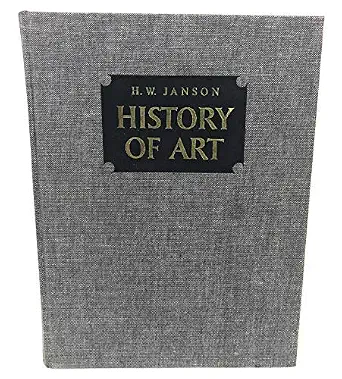 | Best Reference-Style Survey | Format: Hardcover | Type: Academic survey (Janson lineage) | Coverage: Dawn of history to present day | VIEW LATEST PRICE | See Our Full Breakdown |
| The Art Book (Revised and Expanded 2020 Edition) |  | Best Browsable A-to-Z Format | Format: Hardcover | Publisher: Phaidon | Edition: Revised and expanded, 2020 | VIEW LATEST PRICE | See Our Full Breakdown |
| Art History 101… Without the Exams: Looking Closely at Objects from the History of Art |  | Best for Close Looking | Format: Paperback | Subject Focus: Close examination of art objects across periods | Audience Level: Beginner to intermediate | VIEW LATEST PRICE | See Our Full Breakdown |
| The Short Story of Art: A Pocket Guide to Key Movements, Works, Themes, & Techniques |  | Best Pocket Reference | Format: Flexibound pocket guide | Coverage: Key movements, works, themes, and techniques | Audience Level: Beginner to casual enthusiast | VIEW LATEST PRICE | See Our Full Breakdown |
| The Arts: A Visual Encyclopedia of Art History |  | Best for Young Learners | Format: Hardcover visual encyclopedia | Target Audience: Children and young learners | Approach: Image-led with short facts and captions | VIEW LATEST PRICE | See Our Full Breakdown |
| What Great Paintings Say: Masterpieces in Detail |  | Best Premium Deep Dive | Format: Large-format hardcover | Subject Focus: Famous paintings analyzed in detail | Audience Level: Enthusiast to student | VIEW LATEST PRICE | See Our Full Breakdown |
| Art History for Everyone: Learn Art in a Fun, Easy, No-Nonsense Way | 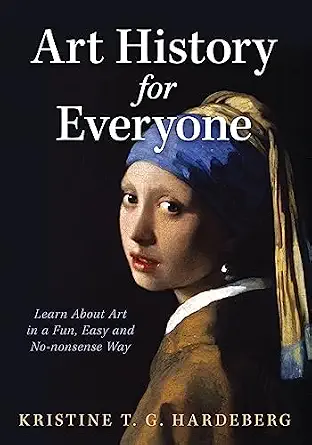 | Best Budget Beginner Pick | Format: Paperback | Subject Focus: Introductory art history overview | Audience Level: Absolute beginner | VIEW LATEST PRICE | See Our Full Breakdown |
| art history book | Format | Coverage | Audience level | Approach |
|---|---|---|---|---|
| Art: The Definitive Visual Gui | Hardcover | Global art from prehistory to contemporary | Beginner to intermediate | Visual survey with timeline structure |
| Louvre: All the Paintings | Hardcover | — | Enthusiast to collector | — |
| Great Art Explained: The Stori | Hardcover | Selection of the world’s most famous paintings | Beginner to enthusiast | Narrative essays on individual masterpieces |
| Art for All: Art History Sourc | Paperback | Major movements, artists, and key works across periods | Beginner student | Structured survey sourcebook |
| The Story of Art | Hardcover / paperback editions | Prehistory through modern art, Western emphasis | Beginner to intermediate | Continuous chronological narrative |
| The Metropolitan Museum of Art | Hardcover | Multiple periods and artists | — | — |
| Artists Who Changed History | Hardcover | Historical through modern; light on contemporary | — | — |
| The Story of Art | Paperback / hardcover editions | — | — | — |
| History of Art: A Survey of th | Hardcover | Dawn of history to present day | — | — |
| The Art Book | Hardcover | 600+ artists across periods and movements | — | — |
| Art History 101… Without the | Paperback | — | Beginner to intermediate | Object-based looking skills, exam-free |
| The Short Story of Art: A Pock | Flexibound pocket guide | Key movements, works, themes, and techniques | Beginner to casual enthusiast | — |
| The Arts: A Visual Encyclopedi | Hardcover visual encyclopedia | Movements, artists, and techniques | — | Image-led with short facts and captions |
| What Great Paintings Say: Mast | Large-format hardcover | Painting only | Enthusiast to student | Deep dive into individual masterpieces |
| Art History for Everyone: Lear | Paperback | Key movements, famous artists, major works | Absolute beginner | Casual, no-nonsense, jargon-free |
More Details on Our Top Picks
Art: The Definitive Visual Guide
Art: The Definitive Visual Guide earns the top spot because it balances breadth and visual impact better than anything else here. Where The Story of Art leans on narrative and Great Art Explained leans on storytelling, this DK volume treats images as the primary teaching tool — thousands of large-format reproductions arranged across movements, cultures, and periods. For a reader who wants to see the progression of art history rather than read about it, nothing in this lineup matches its density. The tradeoff is depth: textual analysis is thin, and it works as a reference spine rather than a book you read cover to cover. Compared with The Arts: A Visual Encyclopedia, it digs deeper into individual works while staying just as browsable.
Pros:- Enormous quantity of high-quality reproductions on nearly every page
- Covers global art movements, not just the Western canon
- Works as both a coffee-table browsable book and a reference
- Accessible enough for beginners, dense enough for enthusiasts
Cons:- Analysis is surface-level; serious students will outgrow it
- The sheer size makes it unwieldy to read in bed or travel with
Best for: Visual learners and families building a foundational art reference they’ll return to for years
Not ideal for: Readers who want argument and interpretation — the text stays descriptive rather than analytical
- Format:Hardcover
- Publisher:DK
- Approach:Visual survey with timeline structure
- Coverage:Global art from prehistory to contemporary
- Illustrations:Thousands of full-color reproductions
- Audience level:Beginner to intermediate
- Use case:Reference and browsing
Our verdict“The default first purchase for anyone wanting a complete, image-first tour of art history in one volume.”
Louvre: All the Paintings
Most art history books sample; Louvre: All the Paintings exhausts. Its premise — cataloging the Louvre’s entire painting collection — makes it fundamentally different from the surveys here. Art: The Definitive Visual Guide gives you one or two works per artist; this gives you the complete holdings of a single museum, which changes how you read it entirely. It shines as a pre- or post-visit companion: you can plan a trip around rooms you’d otherwise miss, or revisit paintings long after flying home. The drawback is obvious and worth stating plainly — it’s a catalog, not an argument. There’s no narrative of art history, no comparative analysis, and much of it is reference material rather than reading. Think of it as a complement to a survey book, not a substitute.
Pros:- Complete catalog of the Louvre’s painting collection in one volume
- High-quality images with room-by-room organization
- Includes a bonus DVD-style digital companion component for exploring further
- Unmatched for trip planning and museum follow-up
Cons:- Encyclopedic but dry; not built for cover-to-cover reading
- Physically very heavy and best used at a desk or table
Best for: Louvre visitors, Paris-bound travelers, and collectors who want a permanent record of a single great collection
Not ideal for: Anyone seeking a general art history education — it covers one museum’s walls, not the sweep of the field
- Format:Hardcover
- Scope:Complete painting collection of the Musée du Louvre
- Organization:By museum room and school
- Illustrations:Color reproductions of all cataloged works
- Audience level:Enthusiast to collector
- Use case:Museum companion and collection reference
Our verdict“A must-have companion for Louvre lovers and travelers, but pair it with a narrative survey for the full story.”
Great Art Explained: The Stories Behind the World’s Greatest Masterpieces
If surveys like The Story of Art give you the map, Great Art Explained gives you the guided tour. Built around the stories behind individual masterpieces, it flips the usual structure: instead of movements first and examples second, the individual artwork is the entry point. That makes it the most entertaining read in this batch — closer to narrative nonfiction than textbook. Compared with What Great Paintings Say: Masterpieces in Detail, which takes a similar object-first approach, this one is lighter and more accessible for readers new to the material. The tradeoff is structural: it’s episodic. You’ll learn wonderful things about famous paintings but won’t come away with a connected sense of how movements developed over time. And depending on the edition, image quality and quantity can lag behind the text — a real limitation for a book about visual art.
Pros:- Compelling storytelling makes famous works genuinely memorable
- Each chapter stands alone — perfect for short reading sessions
- Adds historical and biographical context surveys skip
- Great bridge between casual interest and deeper study
Cons:- No continuous narrative of art history across chapters
- Visual reproductions are limited relative to text-heavy content
Best for: Curious readers and museum-goers who remember stories better than dates and want context for famous paintings
Not ideal for: Students needing a structured chronological framework for coursework
- Format:Hardcover
- Approach:Narrative essays on individual masterpieces
- Structure:Standalone chapters, episodic
- Coverage:Selection of the world’s most famous paintings
- Audience level:Beginner to enthusiast
- Use case:Pleasure reading and museum preparation
Our verdict“The pick for readers who want to fall in love with individual masterpieces before tackling the bigger chronology.”
Art for All: Art History Sourcebook
Art for All: Art History Sourcebook occupies the classroom niche in this lineup — a compact, structured primer covering major movements, key artists, and defining works in a format designed for study rather than display. Against Art: The Definitive Visual Guide, it trades visual grandeur for portability and digestibility, which matters if you’re carrying it to class or fitting study sessions into a commute. Compared with The Short Story of Art, another pocket-sized contender, it aims slightly broader, pulling in more artists and periods at the cost of the tighter, more polished organization of that pocket guide. Its real weakness is analytical thinness: it tells you what happened and who did it, but rarely why it matters. For exam prep and quick orientation, that’s fine; for genuine understanding, you’ll want a narrative companion.
Pros:- Affordable and genuinely portable compared with heavyweight surveys
- Organized around movements and artists in a study-friendly format
- Covers a wide span of periods without assuming prior knowledge
- Good quick-reference companion to lectures or courses
Cons:- Little analysis of individual artworks or critical debates
- Thin sourcing and edition details make citation tricky for academic use
Best for: Students and adult learners who need an affordable, portable primer for coursework or self-study
Not ideal for: Readers wanting rich interpretation or lavish visuals — it’s built for efficient coverage, not depth
- Format:Paperback
- Approach:Structured survey sourcebook
- Coverage:Major movements, artists, and key works across periods
- Audience level:Beginner student
- Portability:Lightweight, travel-friendly
- Use case:Coursework support and self-study
Our verdict“A sensible budget textbook alternative for structured learners who value coverage over commentary.”
The Story of Art
Gombrich’s The Story of Art is the book every other survey here is measured against, and its enduring strength is the voice: a single coherent narrative that walks a curious beginner from cave paintings to the modern era without jargon or condescension. Compared with Art: The Definitive Visual Guide, it offers far fewer images but far more ideas — you finish it actually understanding how one period led to the next. Newer illustrated editions have narrowed the visual gap considerably, which is why it remains my pick over flashier options for a first serious art book. The honest drawbacks: the classic canon skews Western and male, and advanced readers will find it too broad once they’ve grasped the storyline. Pair it with Great Art Explained for color and you have a complete starter library.
Pros:- Masterful narrative voice that makes complex developments genuinely clear
- Millions of readers can’t be wrong — the proven on-ramp to art history
- Newer editions add improved color reproductions
- Accessible enough for teens yet respected by professionals
Cons:- Curriculum reflects its era: Western canon dominates
- Too broad and introductory for readers past the beginner stage
Best for: First-time art history readers who want one intelligent, readable book that explains the whole arc of art
Not ideal for: Readers seeking global, non-Western emphasis or scholarly depth — they’ll need specialized supplements
- Format:Hardcover / paperback editions
- Author:E.H. Gombrich
- Approach:Continuous chronological narrative
- Coverage:Prehistory through modern art, Western emphasis
- Illustrations:Color plates in illustrated editions
- Audience level:Beginner to intermediate
- Use case:First serious art history book
Our verdict“Still the best single book for a thoughtful beginner, provided you supplement it for non-Western perspectives.”
The Metropolitan Museum of Art: Masterpiece Paintings
Where The Art Book spreads its attention across the entire art world, this volume does one thing with total commitment: it brings the Met’s painting collection into your living room with lavish, large-format reproductions. That single-museum focus is exactly why it earns a spot — you get a coherent collection viewed the way a curator would hang it, not a scattered greatest-hits list. Compared with Louvre: All the Paintings, the scope is narrower but the presentation feels more curated and less exhaustive. The tradeoff is depth of text: some works get rich commentary, while others receive only a caption, so readers who want sustained analysis should pair this with Great Art Explained rather than expect it here. This pick makes the most sense for buyers who want a visual centerpiece first and scholarship second.
Pros:- Rich collection of renowned paintings from a single world-class museum
- Large, high-quality reproductions that reward slow looking
- Covers multiple periods and artists in one coherent collection
- Educational and visually engaging without feeling academic
Cons:- Lacks detailed descriptions for some artworks
- Focused on one museum, so major works elsewhere are absent
Best for: Art lovers who want a coffee-table-worthy visual survey of one world-class collection
Not ideal for: Readers who need detailed critical analysis of every work — commentary is uneven in depth
- Format:Hardcover
- Publisher:Rizzoli
- Focus:Paintings from The Metropolitan Museum of Art
- Coverage:Multiple periods and artists
- Visual emphasis:High
- Text depth:Mixed — varies by artwork
Our verdict“Buy this if you want the Met’s painting highlights as a stunning visual reference; skip it if you want rigorous, artwork-by-artwork scholarship.”
Artists Who Changed History (DK History Changers)
Most books in this roundup are organized around movements or artworks; this one flips the lens to the people behind the art. That biographical angle makes it a natural companion to a survey like The Story of Art — read the movement overview there, then come here for the human stories of who actually drove those changes. DK’s signature visual design keeps entries digestible, which positions it well against denser surveys for younger students and casual readers. The tradeoff is real, though: image reproduction takes a back seat to biography, so anyone expecting the visual richness of The Met’s Masterpiece Paintings will be disappointed. And the further you get toward the present, the thinner the coverage becomes. Compared with Art History 101… Without the Exams, it trades close-looking exercises for narrative sweep, and that choice suits some readers far better than others.
Pros:- Informative, engaging biographical insights into influential artists
- Accessible DK-style layout that suits students and beginners
- Frames art history through people, a refreshing angle among movement-based books
- Connects artistic contributions to broader cultural developments
Cons:- Lacks detailed images or illustrations of the artworks discussed
- Limited coverage of contemporary artists
Best for: Students and curious readers who connect with art through the lives of the artists who made it
Not ideal for: Visual learners who want abundant artwork reproductions — the illustration count is modest
- Format:Hardcover
- Publisher:DK (History Changers series)
- Organization:By artist biography
- Audience:Students, teens, and general readers
- Coverage:Historical through modern; light on contemporary
- Visual emphasis:Low to moderate
Our verdict“This is the pick for readers who want to know the artists as people; it is not the pick for a visual survey of their work.”
The Story of Art
This is the book against which nearly every other entry here should be measured — a decades-long standard text that has introduced generations of readers to art history. Its strength is narrative clarity: complex movements unfold as a readable story rather than a checklist, which is why it remains a campus favorite decades on. Compared with History of Art (Janson), Gombrich’s prose is warmer and more welcoming to newcomers, though Janson offers more systematic cataloging of works. The tradeoff for that readability is breadth: this is a single-author interpretive sweep, so individual artworks get discussed selectively rather than analyzed in depth, and advanced readers may find the framing too broad — or too Western-centric — for serious study. Pair it with The Art Book for images or What Great Paintings Say for close analysis, and the gaps close nicely.
Pros:- Comprehensive coverage of major movements, artists, and techniques
- Accessible, engaging prose that works for complete beginners
- Includes illustrations and examples that support the text
- A proven classic used in courses for decades
Cons:- Lacks detailed analysis of specific artworks
- May feel too broad or introductory for advanced readers
Best for: Beginners and students who want one trustworthy, readable narrative through all of art history
Not ideal for: Advanced readers seeking detailed artwork analysis or broad global coverage beyond the Western canon
- Format:Paperback / hardcover editions
- Author:E.H. Gombrich
- Organization:Chronological narrative survey
- Audience:Beginners through intermediate readers
- Illustrations:Included throughout
- Text depth:Broad narrative over close analysis
Our verdict“If you are buying exactly one narrative survey to read cover to cover, this remains the default choice; specialists will outgrow it.”
History of Art: A Survey of the Major Visual Arts from the Dawn of History to the Present Day, Newly Revised and Enlarged Edition
Think of this as the textbook counterpart to Gombrich’s storytelling. Where The Story of Art reads like a flowing narrative, this Janson-style survey organizes art history into a systematic reference structure — periods, movements, works, and artists cataloged with academic discipline. That makes it better suited to coursework, citation, and returning to specific sections repeatedly, while Gombrich is better for a straight read-through. The revised and enlarged edition adds updated scholarship, which matters if you want a survey that reflects current thinking rather than mid-century assumptions. The drawback is density: it is heavier going than The Story of Art and far less browsing-friendly than The Art Book. Buyers should also verify the exact printing before purchasing, since edition details vary across listings and older versions can differ meaningfully in content.
Pros:- Comprehensive survey from ancient art to the present day
- Revised and enlarged edition with updated content
- Systematic structure suited to study and reference
- Well suited to students and serious enthusiasts
Cons:- Denser and less narrative than beginner-friendly alternatives
- Edition year and version details can be unclear across listings
Best for: Students and lifelong learners who want a structured, textbook-style reference they’ll consult repeatedly
Not ideal for: Casual readers wanting a light, browsable introduction — the density can be a slog
- Format:Hardcover
- Type:Academic survey (Janson lineage)
- Coverage:Dawn of history to present day
- Edition:Newly revised and enlarged
- Organization:Period and movement based
- Audience:Students and enthusiasts
Our verdict“Choose this when you need a structured reference for study rather than a story to read; confirm the edition before you buy.”
The Art Book (Revised and Expanded 2020 Edition)
Structure is the story here. Organized alphabetically by artist, this book invites the kind of dip-in, open-anywhere browsing that chronological surveys actively discourage. Compared with The Story of Art, it sacrifices narrative flow entirely — you won’t get a sense of how one movement led to another — but you gain equal treatment for 600+ artists, including figures a Western-focused narrative would skip. The 2020 revision meaningfully widens the roster beyond the historical canon, which addresses one of the most common complaints about older survey books in this roundup. Entries are deliberately brief, which is a feature for browsing and a limitation for study: anyone wanting sustained analysis should move to What Great Paintings Say or Great Art Explained. It functions best as a companion volume — the visual encyclopedia on the shelf next to a narrative you actually read.
Pros:- Updated and expanded 2020 edition with a broader artist roster
- Comprehensive coverage across movements, artists, and techniques
- A-to-Z format makes it easy to browse and revisit
- Full-color images on nearly every page
Cons:- Entries are brief, with little sustained analysis
- Alphabetical order severs any sense of historical narrative
Best for: Browsers and visual learners who want bite-sized entries across a wide, modernized artist roster
Not ideal for: Readers who want a connected narrative of how art movements developed over time
- Format:Hardcover
- Publisher:Phaidon
- Edition:Revised and expanded, 2020
- Organization:A-to-Z by artist
- Coverage:600+ artists across periods and movements
- Audience:Students, browsers, and art enthusiasts
Our verdict“This is the best second art book you can own — a browsable, visually rich companion that can’t be your only one.”
Art History 101… Without the Exams: Looking Closely at Objects from the History of Art
Most survey books, like The Story of Art, sweep across centuries at speed, but this option takes the opposite approach: it slows down and teaches you how to actually look at individual objects. Each chapter treats close examination as a skill, which makes it a rare bridge between casual browsing and genuine art historical thinking. Compared with The Short Story of Art, it trades breadth for depth of engagement—you will cover fewer works, but you will understand them far better. The tradeoff is that it functions poorly as a reference. If you need a book to look up movements or dates, this is the wrong shelf; if you want to build the habit of sustained observation, few alternatives do it this well.
Pros:- Teaches close-reading skills rather than rote memorization
- Approachable tone that removes the intimidation factor of formal art history
- Spans multiple periods, so it still gives a sense of the larger arc
- Well suited to book clubs or slow, chapter-at-a-time reading
Cons:- Not structured as a reference or survey, so it is hard to dip into selectively
- Lacks supplementary materials like timelines, glossaries, or bibliographies
Best for: Self-learners and students who want to build genuine looking skills without academic pressure
Not ideal for: Anyone needing a reference-style survey for quick lookups of movements, dates, or artists
- Format:Paperback
- Subject Focus:Close examination of art objects across periods
- Audience Level:Beginner to intermediate
- Approach:Object-based looking skills, exam-free
- Best Use:Slow study and observation practice
- Reference Value:Low — narrative, not lookup
Our verdict“Choose this if you want to learn how to look at art, not just learn about it.”
The Short Story of Art: A Pocket Guide to Key Movements, Works, Themes, & Techniques
This is the book you keep by the sofa or in a bag, not the one that anchors a coffee table. Its pocket-sized format condenses movements, works, themes, and techniques into digestible entries, which makes it a genuinely useful quick-reference companion. Against heavyweight tomes like History of Art or Art: The Definitive Visual Guide, it obviously sacrifices visual impact—reproductions are small and analysis is thin—but that is the point. Where Art History 101… Without the Exams goes deep on single objects, this one goes wide and fast. The tradeoff is real: anyone past beginner level will find the entries frustratingly brief, and the compact pages limit how much the artwork can speak for itself.
Pros:- Genuinely portable format that larger surveys cannot match
- Organized logically by movement, work, theme, and technique for fast lookup
- Covers an impressive span of art history for its size
- Low commitment — good for dipping in and out
Cons:- Entries are too brief for advanced or academic readers
- Small page size constrains image quality and detail
Best for: Beginners, travelers, and museum-goers who want a lightweight refresher on movements and terminology
Not ideal for: Readers wanting detailed analysis or large, high-quality reproductions of the artworks discussed
- Format:Flexibound pocket guide
- Coverage:Key movements, works, themes, and techniques
- Audience Level:Beginner to casual enthusiast
- Portability:High — true pocket format
- Depth of Analysis:Concise, entry-based
- Best Use:Quick reference and on-the-go learning
Our verdict“The best carry-along primer if you want the whole arc of art history in a jacket pocket.”
The Arts: A Visual Encyclopedia of Art History
Every roundup like this needs a book that gets kids in the door, and this encyclopedia does that job better than anything else here. The colorful, image-forward layout and bite-size facts are built for short attention spans, a deliberate contrast to text-heavy surveys such as The Story of Art, which would lose a ten-year-old in a chapter. It introduces movements, artists, and techniques in a way that rewards browsing rather than reading cover to cover. The tradeoffs are structural: textual content is light, the suggested age range is vague, and a child who outgrows picture-led learning will abandon it quickly. Compared with The Short Story of Art, it is friendlier for young readers but far less useful for adults.
Pros:- Bright, engaging visuals that hold children’s attention
- Broad coverage of movements, artists, and techniques at a kid-friendly level
- Encourages independent browsing and discovery
- Durable encyclopedia format suited to repeated handling
Cons:- Thin textual content limits how much kids actually learn about context
- No clear age guidance, so matching it to the right reader takes guesswork
- Quickly outgrown once a child is ready for deeper material
Best for: Parents and educators introducing children roughly ages 7–12 to art history
Not ideal for: Teens or adults who need substantive text — the visual-first approach will feel shallow
- Format:Hardcover visual encyclopedia
- Target Audience:Children and young learners
- Approach:Image-led with short facts and captions
- Coverage:Movements, artists, and techniques
- Reading Style:Browse-friendly, non-linear
- Depth:Introductory
Our verdict“The right first art history book for kids, and the wrong one for everyone else.”
What Great Paintings Say: Masterpieces in Detail
This is the indulgent pick—the one you buy when you want large-format reproductions and sustained analysis of individual masterpieces rather than a sprint through chronology. Where Great Art Explained tells the stories behind famous works, this volume goes further into the paintings themselves, unpacking composition, symbolism, and detail in a way that rewards long sitting sessions. It complements rather than replaces a survey: pair it with The Story of Art for the scaffolding, and use this for the close work. The drawbacks are price and scope. It is a significant investment compared with budget guides like The Short Story of Art, and its painting-only focus leaves sculpture, architecture, and photography untouched.
Pros:- Detailed, painting-by-painting analysis that goes well beyond surface description
- Generous reproductions that actually show the details being discussed
- Works beautifully as a companion volume to a broader survey
- Substantial enough to serve as a long-term reference for favorite works
Cons:- Premium price point makes it a commitment rather than an impulse buy
- Limited strictly to painting, ignoring other visual arts
- Heavier and less browsable than pocket guides
Best for: Committed enthusiasts and students who want deep, image-rich analysis of individual masterpieces
Not ideal for: Budget buyers or anyone wanting full coverage of sculpture, architecture, and decorative arts
- Format:Large-format hardcover
- Subject Focus:Famous paintings analyzed in detail
- Audience Level:Enthusiast to student
- Approach:Deep dive into individual masterpieces
- Coverage:Painting only
- Best Use:Sustained reading and visual study
Our verdict“Worth the splurge if paintings are your passion and you want analysis with room to breathe.”
Art History for Everyone: Learn Art in a Fun, Easy, No-Nonsense Way
Of the beginner options in this roundup, this is the least intimidating and most affordable entry point. Its plain-language, no-jargon approach covers key movements, famous artists, and important works without pretending to be a textbook. Compared with The Short Story of Art, it reads more like a friendly conversation than a structured reference—which is a strength for absolute beginners and a weakness for everyone else. Against Art History 101… Without the Exams, it covers more ground faster but teaches far less about how to look. The honest tradeoff: once the basics click, you will outgrow it, and readers who already know Impressionism from Expressionism will find little to stay for.
Pros:- Genuinely accessible writing with no assumed background knowledge
- Covers the essential movements, artists, and works efficiently
- Low price makes it an easy first purchase or gift
- Fun tone keeps reluctant readers engaged
Cons:- Shallow analysis that advanced learners will quickly outgrow
- Limited scope — not suitable as a foundation for serious study
- Fewer and smaller illustrations than visual guides like DK’s encyclopedias
Best for: Complete newcomers who want a cheap, friendly first book before committing to anything heavier
Not ideal for: Readers with any prior knowledge — the simplified treatment will feel repetitive and thin
- Format:Paperback
- Subject Focus:Introductory art history overview
- Audience Level:Absolute beginner
- Approach:Casual, no-nonsense, jargon-free
- Coverage:Key movements, famous artists, major works
- Price Tier:Budget
Our verdict“A low-risk on-ramp to art history for total beginners, and a quick graduation to something deeper.”

How We Picked
I evaluated these 15 titles against four criteria that matter most to art history buyers. Scholarly accuracy and scope came first: does the book cover non-Western traditions, women artists, and contemporary work, or does it retell the same Eurocentric canon? Readability came second — a book you abandon after fifty pages has no value regardless of its reputation. Image quality was the third filter, since art history is a visual subject and muddy reproductions undermine everything else. Finally, I weighed value for money, comparing page counts, print quality, and how long a book stays useful after the first read.
The ranking logic reflects this weighting. Books that scored well across all four criteria — Gombrich’s The Story of Art being the clearest example — rose to the top. Single-purpose books were not penalized for being narrow, but they were ranked within the context of what a typical buyer needs: a book that teaches, references, and rewards revisiting. Expensive collector volumes had to justify their price with genuinely superior reproduction quality or unique content, and several did not.
Factors to Consider When Choosing Art History Books
Before buying any art history book, it helps to understand what kind of reader you are and what role the book will play on your shelf. The most common mistake in this category is buying the most impressive-looking book rather than the one matching your actual reading habits.Survey Versus Specialist: Match the Book to Your Goal
A general survey like Gombrich or Janson covers the entire arc of art history but treats each movement in a few pages, while a specialist book on a single museum or theme goes deep at the cost of the big picture. Buyers routinely underestimate how different these experiences are — a survey read cover to cover builds a mental framework you will use forever, whereas a specialist volume is something you dip into occasionally. If you cannot yet name the major movements in order, buy the survey first. If you already have that framework and love one period, a museum collection volume will serve you better. Trying to skip the survey stage is the single most common wasted purchase in this category.
Print Quality and Physical Format Matter More Than You Think
Art history books live or die by their reproductions. A cheap paperback with gray, low-contrast images actively harms your ability to understand a painting, because contrast, texture, and color relationships are the content. Hardback editions from established publishers like Phaidon, Taschen, and DK almost always reproduce better than budget reprints of the same text. Weight is the hidden tradeoff: the most beautiful volumes often weigh five pounds or more, which means they get read at a table, not in bed or on a train. Be honest about where you will actually read the book before choosing the deluxe edition.
Coverage Bias: What the Book Leaves Out
Older surveys, including some highly regarded classics, focus overwhelmingly on European painting and sculpture. Newer revised editions have added non-Western art, photography, design, and work by women artists, but coverage varies enormously between titles. Check the table of contents before buying: if a book devotes one chapter to everything outside Europe, that tells you its real priorities. This is not just a political question — it determines whether the book prepares you for a modern museum visit, where you will encounter art the classic surveys never mentioned. Buyers planning coursework or museum travel should weight recent editions heavily.
Edition Traps and Duplicate Purchases
Many classic art history books exist in multiple editions, pocket versions, and revised reprints, and product listings do not always make the differences clear. An older edition can cost half as much while containing nearly identical text — or it can omit decades of scholarship and hundreds of images, depending on the title. Another common trap is buying three books that overlap heavily: a survey, a visual guide, and an encyclopedia often cover the same canonical works with different formatting. My advice is to own one strong survey plus at most one lookup-style reference, then branch into themed or museum books that genuinely add new material.
Who Is Actually Reading It: Student, Hobbyist, or Gift Recipient
The same book can be perfect for one of these readers and wrong for another. Students need exam-friendly structure, timelines, and glossaries, which is why compact guides outperform beautiful monoliths during coursework. Hobbyists get the most long-term satisfaction from readable narratives they can return to across years. Gift buyers face the hardest choice, because a heavy coffee-table book signals generosity even when the recipient never opens it — a thoughtful mid-size book that fits a real interest beats an impressive one that gathers dust. When buying for someone else, lean toward the accessible end of the spectrum rather than the scholarly one.
Frequently Asked Questions
Should I buy Gombrich’s The Story of Art or Janson’s History of Art if I only want one survey?
These two books solve different problems even though they cover similar ground. Gombrich is written as a flowing narrative by a single author, which makes it the better choice for reading straight through — the argument builds from chapter to chapter and the prose is genuinely engaging. Janson functions more like an illustrated textbook, with denser factual coverage, more objects per page, and a structure optimized for reference and coursework. If your goal is to actually finish the book and retain a story of art history, Gombrich wins. If you need something to consult alongside a class or to look up specific works and periods, Janson’s organization serves that purpose better.
Are the big museum books like Louvre: All the Paintings worth it if I already own a general art history survey?
Yes, but only if you understand what you are buying — these are collection catalogs, not art history education. Their value is completeness and reproduction quality: they show you works you will struggle to find reproduced anywhere else, often with curatorial notes you cannot get from a survey. The drawback is that they provide almost no narrative connecting the pieces, and their sheer size makes casual reading impractical. They make the most sense for people who have visited or plan to visit the museum, or who collect in a specific area the museum is strong in. If your budget only stretches to one book, buy the survey first and add the museum volume later.
Can a cheap pocket guide like The Short Story of Art replace a full survey for a student?
It can get a student through an exam, but it cannot build real understanding, and knowing the difference matters before you spend money. Pocket guides excel at timelines, movement summaries, and quick definitions — exactly the things you need the night before a test. What they cannot do is explain why styles changed, how movements responded to one another, or what the works meant in their original context, because there simply is not room. A practical approach many students take is pairing the pocket guide with library access to a full survey, using the guide for review and the survey for actual learning. If you can only buy one book for a semester-long course, buy the survey.
Which of these books is best for someone who finds art history intimidating?
The books written specifically for newcomers outperform the classics here, which surprises people who assume the most famous title must also be the most accessible. Art History 101… Without the Exams and Art History for Everyone are structured around close looking at individual objects rather than memorizing movements and dates, which lowers the barrier considerably. Great Art Explained takes a similar approach through storytelling. The classic surveys assume a certain comfort with art vocabulary that many beginners lack, and encountering forty unfamiliar terms in the first chapter is where most people quit. Start with an accessible book, and if the subject hooks you, move up to Gombrich — you will appreciate his depth far more once you have context.
Is it worth paying more for a hardcover or deluxe edition of these art history books?
For image-heavy books, yes — the upgrade usually pays for itself, because print quality is not cosmetic in this category, it is the content. Larger page sizes reproduce paintings at closer-to-real scale, better paper stock holds fine detail, and accurate color matters when you are learning to recognize artists’ palettes. The exception is text-driven books like Gombrich, where the paperback delivers essentially the same experience at half the price. Also watch for deluxe editions that only add a slipcase or margin notes without improving the reproductions — that is paying for packaging, not content. My rule: image-driven books in hardcover, narrative books in whatever format is cheapest.
Conclusion
After comparing all fifteen titles, the right choice depends almost entirely on what kind of reader you are. For best overall, The Story of Art by E.H. Gombrich remains unmatched — it teaches, it reads beautifully, and it stays useful for decades. For best value, The Art Book delivers hundreds of artists and works at a price that undercuts nearly everything here while remaining a genuine reference you will return to. For a premium purchase, Louvre: All the Paintings justifies its cost with reproduction quality and completeness nothing else in this lineup matches. For beginners, Art History 101… Without the Exams removes the intimidation factor better than any classic survey. And for a specific need — quick revision, travel, or museum prep — The Short Story of Art does in 200 pages what larger books need 1,000 to attempt. Buy the book that matches your reading habits, not the one that looks best on a shelf, and you will get years of use from it.
Columbus Day / Indigenous Peoples' Day Picks
long weekend sales
As an affiliate, we earn on qualifying purchases.