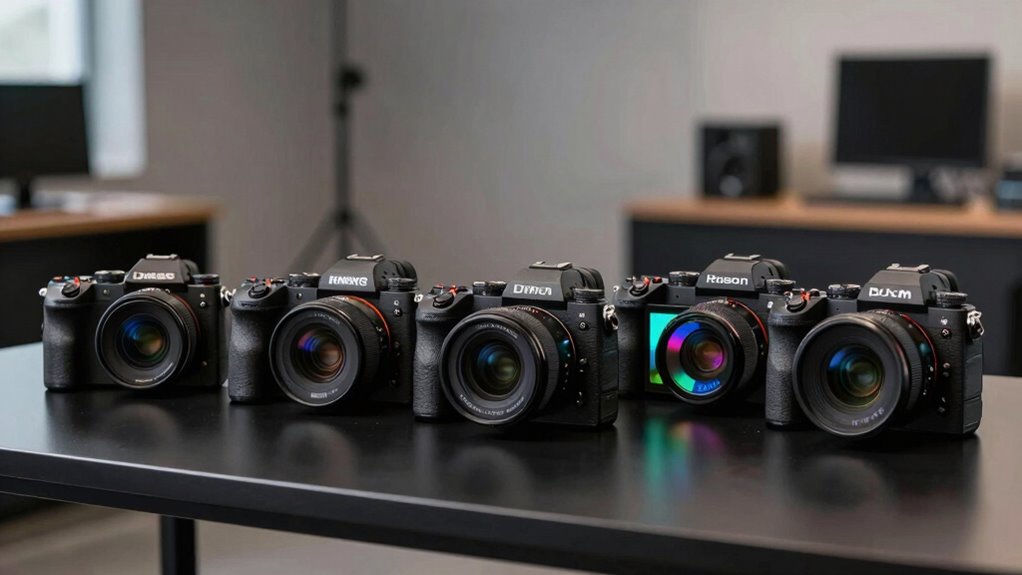

Choosing the right cinema camera is essential for filmmakers aiming to produce stunning visuals while managing budget and usability. The Sony FX30 stands out as the best overall for its balance of image quality, portability, and advanced features. The Blackmagic Design Pocket Cinema Camera 6K Pro appeals to those seeking high-resolution, flexible workflows, while the Sony FX3 offers a compact, full-frame option for versatile shooting. The main tradeoffs involve balancing image quality, ease of use, and price. Keep reading to see how each model stacks up and find the best fit for your filmmaking needs.

Get art and craft supplies delivered free with Prime
- Fast, free delivery on millions of items
- Prime Video, Amazon Music and more included
- Member-only deals all year
Key Takeaways
- The top picks excel in balancing image quality with usability, making them suitable for different levels of filmmaking expertise.
- Sensor size and resolution are key differentiators, with full-frame sensors offering better depth and low-light performance, but often at a higher cost.
- Features like built-in stabilization, codec options, and lens compatibility significantly impact workflow and shooting flexibility.
- Price differences reflect not just features but also build quality and future-proofing, making it important to consider long-term needs.
- Each camera’s unique strengths appeal to specific filmmaking styles—whether narrative, documentary, or commercial production.
| Sony FX30 Cinema Line Camera with E 11mm Lens & Filter Kit Bundle |  | Best Overall for Versatile Filmmaking | Sensor: 26.1MP back-illuminated | Video Resolution: 4K up to 120p, 10-bit 4:2:2 | External Recording: Supports 16-bit RAW via HDMI | VIEW ON AMAZON | See Our Full Breakdown |
| Blackmagic Design Pocket Cinema Camera 6K Pro |  | Best Value for High-End Imaging | Sensor: Super 35 | Resolution: 6144 x 3456 | Dynamic Range: 13 stops | VIEW ON AMAZON | See Our Full Breakdown |
| Sony Cinema Line FX30 Super 35 Camera, Gray |  | Best Compact Super 35 Cinema Camera | Sensor Type: CMOS | Sensor Resolution: 20.1 MP | Video Resolution: 1080p, 4K | VIEW ON AMAZON | See Our Full Breakdown |
| Blackmagic Design Cinema Camera 6K, Full Frame Sensor, L Mount |  | Best for Full-Frame Cinematic Depth | Sensor: Full-Frame 6K | Resolution: 6048 x 4032 | Dynamic Range: 13 stops | VIEW ON AMAZON | See Our Full Breakdown |
| Sony Alpha FX3 ILME-FX3 Full-frame Cinema Line Camera |  | Best for Solo Filmmakers and Run-and-Gun Shooting | Sensor Type: CMOS | Sensor Size: Full Frame (35mm) | Maximum Resolution: 10.2 MP | VIEW ON AMAZON | See Our Full Breakdown |
| Blackmagic Design Pocket Cinema Camera 4K Power Bundle |  | Best Value for High-Quality 4K Imaging | Sensor: 4/3” image sensor | Resolution: 4096 x 2160 | Lens Mount: Micro Four Thirds (MFT) | VIEW ON AMAZON | See Our Full Breakdown |
| cinema cameras for filmmaker | Sensor | Video Resolution | Resolution | Dynamic Range |
|---|---|---|---|---|
| Sony FX30 Cinema Line Camera w | 26.1MP back-illuminated | 4K up to 120p, 10-bit 4:2:2 | — | — |
| Blackmagic Design Pocket Cinem | Super 35 | — | 6144 x 3456 | 13 stops |
| Sony Cinema Line FX30 Super 35 | — | 1080p, 4K | — | — |
| Blackmagic Design Cinema Camer | Full-Frame 6K | — | 6048 x 4032 | 13 stops |
| Sony Alpha FX3 ILME-FX3 Full-f | — | 4K up to 120p | — | — |
| Blackmagic Design Pocket Cinem | 4/3” image sensor | — | 4096 x 2160 | 13 stops |
More Details on Our Top Picks
Sony FX30 Cinema Line Camera with E 11mm Lens & Filter Kit Bundle
The Sony FX30 stands out as a highly capable cinema camera with a compact, lightweight form factor, making it ideal for on-the-move shoots. Its 26.1MP back-illuminated sensor delivers stunning 4K video up to 120p with 10-bit 4:2:2 color, rivaling larger models like the Blackmagic Pocket Cinema Camera 6K Pro but in a smaller package. Advanced autofocus, dual card slots, and extensive accessory options make it adaptable across various shooting scenarios. However, its rich feature set can be overwhelming for beginners, and the need for additional accessories adds to the overall cost. Compared to the FX3, the FX30 offers similar video quality but with a more modular, customizable design, which can be a plus or a drawback depending on user experience. This pick makes the most sense for filmmakers who want high-quality footage without sacrificing portability, but those new to cinema cameras should be prepared for a learning curve.
Pros:- High-quality 4K video with cinematic color profiles
- Compact and lightweight for easy mobility
- Extensive accessory and lens options for customization
- Weather-resistant magnesium alloy build
Cons:- Complex interface for users new to cinema cameras
- Higher price point requiring additional investments
Best for: Filmmakers and content creators seeking a flexible, professional-grade camera that balances performance with portability
Not ideal for: Beginners unfamiliar with cinema camera features or users who prefer all-in-one solutions without additional accessories
- Sensor:26.1MP back-illuminated
- Video Resolution:4K up to 120p, 10-bit 4:2:2
- External Recording:Supports 16-bit RAW via HDMI
- Lens Included:E 11mm f/1.8
- Weight:646 g
- Build:Magnesium alloy, dust- and moisture-resistant
Our verdict“This camera suits filmmakers who prioritize versatility and high-quality output in a portable design but expect a learning curve and extra gear investments.”
Blackmagic Design Pocket Cinema Camera 6K Pro
The Blackmagic Pocket Cinema Camera 6K Pro offers filmmakers a compelling balance of professional image quality and affordability, with a Super 35 sensor that captures detailed 6K footage. Its 13 stops of dynamic range and dual ISO enable impressive low-light performance, comparable to pricier options like the Sony FX30 but with a focus on raw flexibility. The bright tilt LCD enhances usability in various shooting angles, making it ideal for handheld and run-and-gun scenarios. Still, its heavier weight and reliance on external storage for extended recording can be drawbacks for those seeking ultra-portable solutions. Unlike the Sony FX30, which emphasizes autofocus and compactness, the Blackmagic excels in post-production flexibility, especially with native support for ProRes and Blackmagic RAW. This camera is best suited to serious hobbyists and professionals who want cinematic quality without the highest price tags, but it demands some additional gear for full operation.
Pros:- High-resolution 6K Super 35 sensor for detailed footage
- Supports multiple professional recording formats
- Bright tilt LCD for easier framing
- Excellent low-light performance with dual ISO
Cons:- Relatively heavy and less suited for handheld use
- Requires external storage for long shoots
- Higher price compared to entry-level options
Best for: Budget-conscious filmmakers prioritizing high-quality raw recording and flexible post-production workflows
Not ideal for: Travel filmmakers or solo operators needing a lightweight, self-contained system or extensive built-in features
- Sensor:Super 35
- Resolution:6144 x 3456
- Dynamic Range:13 stops
- ISO:Dual gain ISO up to 25,600
- Recording Media:SD/UHS-II, CFast 2.0, external SSD
- Display:5-inch HDR LCD
Our verdict“This camera offers substantial image quality and flexibility for filmmakers willing to invest in a slightly heavier but highly capable cinema camera.”
Sony Cinema Line FX30 Super 35 Camera, Gray
The Sony FX30 offers a compact, digital cinema experience centered around a 20.1 MP APS-C sensor with 6K oversampling, delivering cinematic footage with a smaller footprint than full-frame options like the FX3. It provides advanced color grading features such as S-Cinetone and S-Log3, making it appealing for content creators stepping into professional filmmaking. Its flexible ISO and dual base ISO enhance performance in diverse lighting conditions. Compared with the FX3, the FX30 is more affordable and easier to carry, but it sacrifices some full-frame depth and low-light performance. Its limited built-in features might challenge beginners, but experienced users will appreciate its balance of quality and portability. This model fits filmmakers who want cinematic results in a smaller, more affordable package but are prepared to add accessories for maximum flexibility.
Pros:- High-quality cinematic footage with 6K oversampling
- Compact and portable design
- Advanced color grading options like S-Cinetone and S-Log3
- Flexible ISO and dual base ISO for varied lighting
Cons:- Limited built-in features for beginners
- Requires compatible lenses and accessories
- Higher price point for a small camera
Best for: Content creators and filmmakers requiring a compact, high-quality cinema camera with professional features
Not ideal for: Hobbyists seeking a simple plug-and-play camera without additional lenses or accessories
- Sensor Type:CMOS
- Sensor Resolution:20.1 MP
- Video Resolution:1080p, 4K
- Maximum Shutter Speed:1/8000 seconds
- Weight:1.2 pounds
- Connectivity:HDMI, NFC, USB, Wi-Fi
Our verdict“This camera is ideal for filmmakers who want professional-grade cinematic quality in a portable, versatile package but are ready for some accessory investment.”
Blackmagic Design Cinema Camera 6K, Full Frame Sensor, L Mount
The Blackmagic Cinema Camera 6K with a full-frame sensor delivers stunning cinematic images with 13 stops of dynamic range, rivaling higher-end cameras like the FX3 in image quality. Its 6048 x 4032 resolution and L mount compatibility open up a wide range of lens options, making it a strong choice for filmmakers aiming for a full-frame aesthetic. The inclusion of DaVinci Resolve Studio software adds significant value, especially for post-production. Its lightweight design and bright HDR LCD make it practical for handheld and location work. On the downside, it depends on external storage for extended recording sessions and has limited internal microphones, which could be limiting for run-and-gun filmmaking. Compared to the FX30, the full-frame sensor offers more depth but at a higher cost and with additional gear requirements. This camera best suits those prioritizing cinematic depth and image quality, prepared for some external gear setup.
Pros:- High-resolution 6K full-frame sensor for cinematic depth
- Supports multiple recording options including external SSD and CFexpress
- Includes DaVinci Resolve Studio for editing
- Lightweight with a bright HDR LCD
Cons:- Requires external storage for longer shoots
- Limited internal audio options
- Higher price and gear complexity
Best for: Serious filmmakers seeking full-frame cinematic quality with flexible lens options and post-production tools
Not ideal for: Travel or solo shooters who need an all-in-one, lightweight camera with integrated audio and minimal gear
- Sensor:Full-Frame 6K
- Resolution:6048 x 4032
- Dynamic Range:13 stops
- ISO Range:Up to 25,600
- Recording Media:CFexpress Type B, external SSD
- Display:5-inch HDR LCD
Our verdict“This camera is best for filmmakers focused on maximum image quality and flexible post-production, willing to manage additional gear and setup complexity.”
Sony Alpha FX3 ILME-FX3 Full-frame Cinema Line Camera
The Sony FX3 is tailored to solo filmmakers and event videographers with its compact, full-frame design and impressive 4K recording capabilities. Its 10.2 MP sensor provides excellent cinematic quality, especially with 4K up to 120p in 10-bit 4:2:2 color, rivaling larger cinema cameras but in a smaller form. In-body stabilization and a top handle with XLR inputs make it ideal for handheld and run-and-gun shooting. However, at 1.5 kg, it can be tiring for extended handheld use, and its Sony E/FE mount limits lens versatility compared to more adaptable mounts. Unlike the FX30, which emphasizes versatility, the FX3 offers more integrated features and professional audio inputs, making it better suited for solo shooters who need a ready-to-go cinema camera. It’s a strong choice for those demanding high-quality footage in a portable, self-contained system.
Pros:- High-quality 4K 120p recording with 10-bit color
- Compact, lightweight design for solo operation
- In-body stabilization for steady footage
- Top handle with professional XLR audio inputs
Cons:- Relatively heavy for extended handheld use
- Limited to Sony E/FE mount, restricting lens choices
- No built-in flash or extensive onboard features
Best for: Solo filmmakers and videographers needing a lightweight, all-in-one cinema camera with professional audio features
Not ideal for: Camera operators requiring extensive lens options outside Sony E/FE mount or those seeking a camera with larger sensors
- Sensor Type:CMOS
- Sensor Size:Full Frame (35mm)
- Maximum Resolution:10.2 MP
- Video Resolution:4K up to 120p
- ISO Range:80-409,600
- Connectivity:HDMI, NFC, USB, Wi-Fi
Our verdict“This camera is ideal for solo filmmakers who need a compact, professional-quality cinema camera with integrated audio, accepting some weight and lens limitations.”
Blackmagic Design Pocket Cinema Camera 4K Power Bundle
The Blackmagic Design Pocket Cinema Camera 4K Power Bundle stands out for delivering professional-grade 4K footage with a compact, user-friendly form factor. Its 4/3” sensor and 13-stop dynamic range rival larger cinema cameras, making it a compelling choice for indie filmmakers and small production teams. Compared to the Blackmagic Pocket Cinema Camera 6K Pro, it offers slightly lower resolution but remains highly capable, especially with its support for multiple recording formats like Apple ProRes and Blackmagic RAW. The bundle’s included extra batteries and accessories extend shooting time, but its reliance on external storage for longer recordings can be a hassle on set. The bright LCD display and durable body make it accessible for solo shooters, though the learning curve can challenge beginners. Overall, this camera makes the most sense for those who want high-quality 4K imagery without the bulk or cost of higher-end models.
Pros:- High-quality 4K image capture with 13 stops of dynamic range
- Supports professional formats like Apple ProRes and Blackmagic RAW
- Bright, easy-to-read 5-inch LCD display for on-set monitoring
- Includes extra batteries and accessories for extended shoots
Cons:- Requires external storage for longer recordings, adding setup complexity
- Steeper learning curve for beginners unfamiliar with cinema camera workflows
- Relatively high price point compared to other compact cinema cameras
Best for: Indie filmmakers or small production crews seeking a portable, high-quality 4K cinema camera with extensive dynamic range.
Not ideal for: Large studio productions or shooters needing onboard internal SSD recording for extended shooting sessions, as it relies on external storage options.
- Sensor:4/3” image sensor
- Resolution:4096 x 2160
- Lens Mount:Micro Four Thirds (MFT)
- Dynamic Range:13 stops
- ISO Range:up to 25,600
- Recording Media:SD/UHS-II, CFast 2.0, external SSD via USB-C
- File Formats:Apple ProRes, Blackmagic RAW
- Display:5-inch LCD
- Body Material:Carbon fiber polycarbonate composite
Our verdict“This camera is ideal for filmmakers who prioritize high-quality 4K footage in a portable package and are comfortable managing external storage and learning curves.”

How We Picked
Our evaluation focused on core filmmaking criteria such as image quality, sensor size, lens ecosystem, usability, and value. We prioritized cameras that offer professional-grade features in a compact, manageable form factor suitable for different production environments. Cameras were ranked based on their overall versatility, performance in various shooting conditions, and future-proofing features like codec support and expandability. We also considered user feedback and industry reputation to ensure these choices serve a broad range of filmmakers—from beginners to seasoned professionals.| cinema cameras for filmmaker | Recording Media |
|---|---|
| Sony FX30 Cinema Line Camera w | — |
| Blackmagic Design Pocket Cinem | SD/UHS-II, CFast 2.0, external SSD |
| Sony Cinema Line FX30 Super 35 | — |
| Blackmagic Design Cinema Camer | CFexpress Type B, external SSD |
| Sony Alpha FX3 ILME-FX3 Full-f | — |
| Blackmagic Design Pocket Cinem | SD/UHS-II, CFast 2.0, external SSD via USB-C |
Factors to Consider When Choosing Cinema Cameras For Filmmakers
Selecting the right cinema camera involves more than just specifications; understanding your production needs and workflow is crucial. This guide covers key factors to consider to help you make an informed choice that balances performance and practicality.Sensor Size and Resolution
The sensor size directly impacts image quality, depth of field, and low-light performance. Full-frame sensors generally deliver richer images and better background separation but tend to be more expensive and larger. Super 35 sensors are a common compromise, offering good quality in a more compact form. Resolution matters for cropping flexibility and post-production, but higher resolution often demands more storage and processing power. Match sensor choice with your intended style and workflow to avoid overpaying for features you won’t use.
Ease of Use and Workflow
Consider how intuitive the camera’s interface is and the learning curve involved. Features like touchscreens, customizable menus, and integrated stabilization can save time on set. Compatibility with existing lenses and accessories is also vital—an ecosystem that integrates smoothly reduces setup friction. Think about your shooting environment: a compact, lightweight camera is ideal for handheld work, while more extensive rigs benefit from modular designs. Misjudging ease of use can lead to frustration, so evaluate how each camera’s workflow aligns with your production style.
Codec, Recording Formats, and Storage
The choice of codec impacts image quality, post-production flexibility, and storage needs. ProRes and Blackmagic RAW are popular options offering high quality and editing latitude. Higher bitrates and advanced formats provide better image fidelity but require faster drives and more processing power. Consider your editing setup and storage budget—selecting a camera with versatile recording options ensures compatibility with your workflow. Overlooking codec support can cause bottlenecks or compromise your final image quality.
Build Quality and Expandability
Durability and ergonomic design are critical, especially for on-location shoots. Look for cameras with robust construction and reliable cooling systems to prevent overheating. Modular features like additional mounting points, ND filters, and input/output options extend your creative flexibility. Budget models might lack some expandability, so weigh future needs against current constraints. Choosing a camera with solid build and upgrade potential can save costs and headaches down the road.
Price and Long-Term Investment
Prices vary widely, reflecting features, sensor size, and brand reputation. Investing in a higher-quality camera often results in better image quality and longevity, but it’s important to assess your current budget and future plans. Cheaper models may suffice for occasional projects or learning, but could limit your creative options as you grow. Consider the total cost of ownership, including lenses, accessories, and maintenance, to ensure your investment aligns with your filmmaking ambitions.
Frequently Asked Questions
Do I need a full-frame cinema camera for my projects?
Not necessarily. Full-frame cameras excel in low-light conditions and offer a shallow depth of field, which is desirable for narrative filmmaking. However, Super 35 sensors are more affordable, lighter, and still produce high-quality images suitable for many professional applications. The decision depends on your shooting style, budget, and the kind of visuals you aim to create. Many filmmakers successfully work with Super 35 sensors, especially when mobility and cost are priorities.
Is higher resolution always better for filmmaking?
Higher resolution provides greater flexibility in post-production, such as cropping or stabilization, but it also demands more storage and processing power. For most narrative projects, 4K resolution strikes a good balance, while 6K or higher is advantageous for visual effects or large-format delivery. However, if your workflow or budget cannot handle large file sizes efficiently, opting for a slightly lower resolution might be more practical. Ultimately, choose a resolution that supports your project’s needs without overextending your resources.
How important is lens ecosystem compatibility?
Having access to a broad range of lenses can significantly impact your creative options and workflow flexibility. Cameras with established lens ecosystems or those compatible with lenses you already own reduce costs and setup time. Consider whether the camera supports common mount types and if third-party lenses are available. Overlooking compatibility can lead to expensive upgrades or limitations in achieving your desired look.
Should I prioritize built-in stabilization or external rigs?
Built-in stabilization can simplify handheld shooting and reduce gear load, especially for run-and-gun scenarios. However, it might not replace the precision of external stabilizers for complex shots. Evaluate your typical shooting style: if mobility and quick setups are common, a camera with advanced in-body stabilization makes sense. For highly controlled shots, external rigs and gimbals might offer better stability and flexibility. Balancing these options based on your workflow ensures smoother production.
Is it worth investing in higher-end cinema cameras now or waiting for future models?
Investing in a higher-end camera now can provide immediate quality improvements and features that keep you competitive. However, technology evolves rapidly, and waiting might give access to newer models with advanced sensors and better performance. If your projects demand the best quality today, a premium camera makes sense. For those planning long-term growth or on tighter budgets, starting with a mid-range model and upgrading later can be a strategic choice.
Conclusion
For seasoned professionals seeking the best all-around performance, the Sony FX30 offers a compelling mix of features and portability. Beginners or those on a budget should consider the Blackmagic Pocket Cinema Camera 4K Power Bundle for its affordability and decent quality. Filmmakers prioritizing resolution and future-proofing might lean toward the Blackmagic Design Pocket Cinema Camera 6K Pro, while those needing a compact, full-frame option should look at the Sony Alpha FX3. Ultimately, your choice depends on your project scope, budget, and workflow preferences, but this list provides a solid starting point for making an informed decision.
Fall Picks
fall essentials
As an affiliate, we earn on qualifying purchases.