
TL;DR

Get art and craft supplies delivered free with Prime
- Fast, free delivery on millions of items
- Prime Video, Amazon Music and more included
- Member-only deals all year
Joel Sartore’s Photo Ark has documented 18,567 animal species, according to an October 2026 report, as the project works toward a catalogue of more than 25,000. The portraits are made with conservation partners and support education and conservation grants, but the project’s total remains short of its stated goal.
National Geographic photographer Joel Sartore’s Photo Ark has documented 18,567 animal species, according to an October 2026 report, bringing the portrait project closer to its goal of cataloguing more than 25,000 species. The images are made with zoos, aquariums, sanctuaries and conservation researchers, and the project also supports education and conservation work.
The new tally includes a recently discovered cat species in Bolivia, the report says. Sartore began the project in his hometown of Lincoln, Nebraska, in 2006, setting out to build a photographic archive of biodiversity. The report describes a pace of about 1,000 animals documented each year, though it does not specify the period used to calculate that rate.
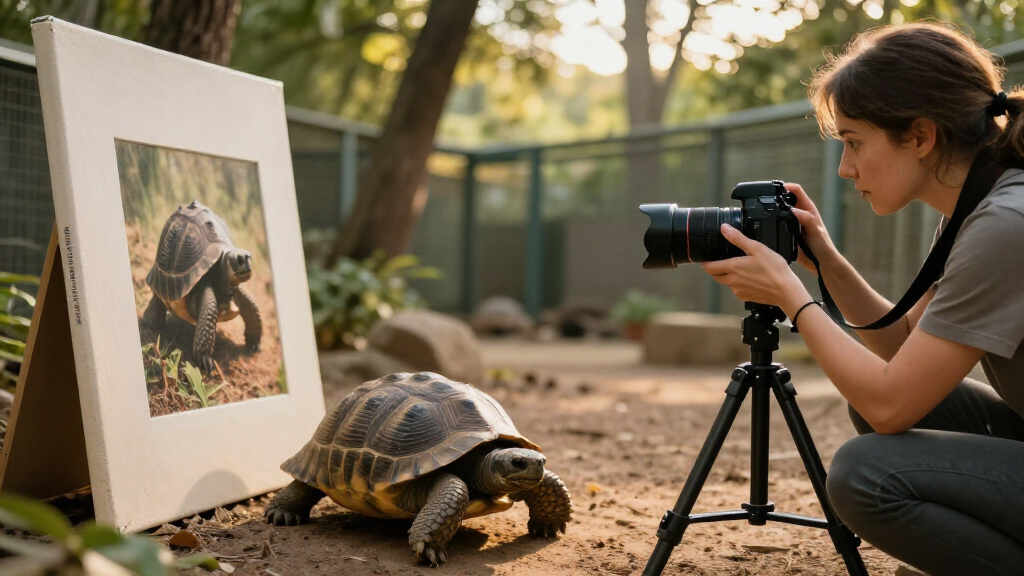
For the portraits, animals are photographed against plain black or white backgrounds, a consistent approach intended to make their features and expressions visible. Sartore works in settings including zoos, aquariums and wildlife sanctuaries, in collaboration with conservationists and researchers. The subjects cited in the report range from a springbok mantis and ribboned pipefish to endangered mammals such as a Bornean orangutan and a Florida panther.
The project has expanded beyond photography. In 2023, the Photo Ark Species Impact Initiative began awarding grants to conservationists, according to the report. National Geographic also makes Photo Ark educational materials available through classrooms, publications and broadcasts. The report does not give the number or value of grants awarded.
Portraits Linked to Conservation Work
The project’s reach combines a visual archive with efforts to connect audiences to animals and the people working to protect them. Sartore argues that close-up portraits can prompt viewers to care about species they may not otherwise encounter. That is his stated aim, rather than a measured finding about the images’ effect on public behavior.
The grant initiative adds a direct conservation component: since 2023, the project has awarded support to conservationists, according to the source report. Its educational materials also bring animal portraits into classrooms and other National Geographic channels. The available report does not quantify the initiative’s conservation outcomes, so its impact on species protection cannot be assessed from the figures provided.
As an affiliate, we earn on qualifying purchases.
From Nebraska Portraits to a Global Archive
Sartore started photographing animals for Photo Ark in 2006, beginning near his home in Lincoln. The project’s stated ambition is to create a portrait catalogue of more than 25,000 species; its current reported count is 18,567. The source does not state how many species remain accessible to the project or give a completion date.
Photo Ark’s format is consistent across a wide range of animals, including threatened species and less familiar invertebrates. National Geographic describes the portraits as treating animals with equal care regardless of size. The images document individual animals, while the project’s stated purpose is to encourage concern and action for wildlife.
““It’s the eye contact that moves people.””
— Joel Sartore
As an affiliate, we earn on qualifying purchases.
The Goal and Impact Remain Open
The reported count is a snapshot of 18,567 species; the report does not identify a precise cutoff date for the tally beyond saying “as of this writing.” It also does not provide a schedule for reaching the target of more than 25,000 species, or explain how species are selected and verified for inclusion.
The source identifies a newly discovered Bolivian cat among the documented animals but gives no scientific name or further details about its discovery. It also provides no grant totals, evaluation data or other measures showing whether the portraits or educational materials have changed public behavior or conservation outcomes.
conservation educational materials for schools
As an affiliate, we earn on qualifying purchases.
As an affiliate, we earn on qualifying purchases.
More Species and Conservation Updates
Photo Ark remains an ongoing project, with further portraits expected as Sartore continues working with animal-care institutions and conservation partners. The stated next milestone is the catalogue’s goal of more than 25,000 species, but no timetable is given.
Readers can view the project’s species portraits and information about researchers working with endangered and vulnerable wildlife on the Photo Ark website, as described in the report. The next reported progress update will be needed to establish how the species count changes and what further support the grant initiative provides.
As an affiliate, we earn on qualifying purchases.
Key Questions
How many species has Photo Ark documented?
The October 2026 report gives a total of 18,567 animal species. It describes this as the tally “as of this writing” and does not provide a more exact cutoff date.
What is Photo Ark’s goal?
Joel Sartore’s stated goal is a portrait catalogue of more than 25,000 species. The report gives no date for completing it.
How are the animals photographed?
The portraits use plain black or white backgrounds. Sartore works with zoos, aquariums, wildlife sanctuaries, conservationists and researchers.
Does Photo Ark fund conservation work?
According to the report, the Photo Ark Species Impact Initiative began awarding grants to conservationists in 2023. The report does not state how many grants have been awarded or their total value.
Source: rss
Halloween Picks
halloween
As an affiliate, we earn on qualifying purchases.