TL;DR

Get art and craft supplies delivered free with Prime
- Fast, free delivery on millions of items
- Prime Video, Amazon Music and more included
- Member-only deals all year
Hyperallergic published an interview in which Colombian artist Doris Salcedo reflects on memory, political violence and resistance to attempts to erase history. The interview follows the removal of objects from Bogotá’s Museo Nacional and their reinstatement by court order after public protests. The source does not provide the interview’s publication date or the court order’s date.
Colombian artist Doris Salcedo has discussed memory and resistance in an interview with Hyperallergic after objects tied to LGBTQ+ and feminist movements, left-wing leaders and the country’s peace process were removed from Bogotá’s Museo Nacional and later returned under a court order. The episode drew hundreds of protesters and renewed debate over who gets to shape the public record of Colombia’s history.
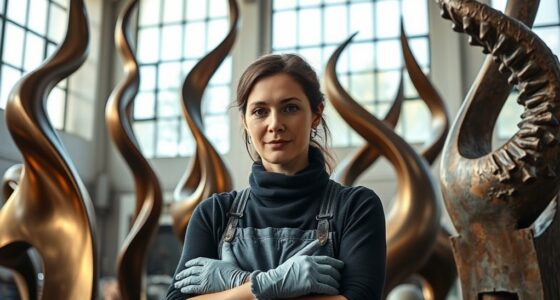
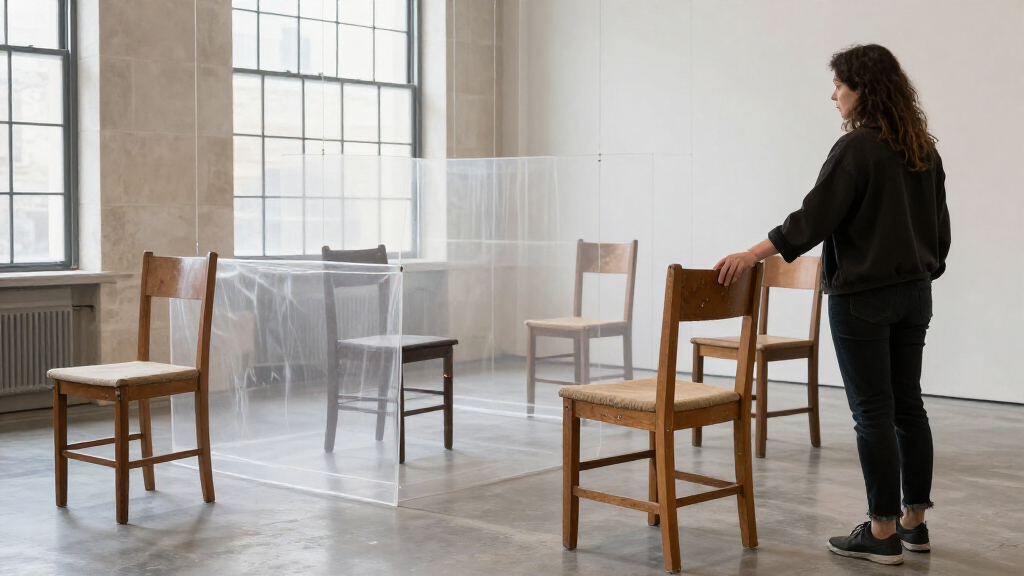
Hyperallergic senior editor Valentina Di Liscia spoke with Salcedo about the removal, its significance and how political violence leaves wounds across generations. The source describes Salcedo’s practice as making memory her medium. Her sculptures, Di Liscia writes, evoke victims of Colombia’s guerrilla conflicts by articulating the contours of their absence, rather than simply asking viewers to look back.
According to the report, dozens of objects were taken off display on October 15 under orders from President Abelardo de la Espriella. They included artworks and materials related to LGBTQ+ and feminist movements, the 2016 peace agreement with the Revolutionary Armed Forces of Colombia (FARC), and the campaigns of left-wing leaders Carlos Pizarro and Bernardo Jaramillo Ossa, both assassinated in the 1990s. The report says de la Espriella has called the two men “terrorists.”
The objects were reinstated within two weeks after a court order. The report says hundreds of people protested the removal and faced police repression in the days that followed. It does not identify the court, provide the order’s reasoning or detail the specific objects involved. The interview places Salcedo’s reflections within this dispute over memory, state power and public resistance.
The Museum as a Site of Public Memory
The dispute matters because museums do more than store objects: their displays influence which histories are visible and how those histories are understood. Removing materials connected to political movements, peace efforts and assassinated leaders can change the account visitors encounter. The court-ordered return and public protests show that decisions about display can prompt a wider argument over historical recognition and who has authority to define it.
Salcedo’s perspective connects that immediate controversy with a longer experience of violence and loss in Colombia. The source presents her art as a way to give form to absence, not as a substitute for testimony or a settled account of the past. Her reflections offer readers a lens on why the preservation of contested objects can matter to people whose histories have been marginalized or erased.
Popular right now

Dyson V15 Detect Cordless Vacuum

iRobot Roomba 105 Combo Robot Vacuum and Mop

De'Longhi Rivelia Fully Automatic Espresso Machine with Milk Frother, White
As an affiliate, we earn on qualifying purchases.
Salcedo’s Art and Colombia’s History
The report situates Salcedo’s work against decades of violence and erasure in Colombia, including the country’s guerrilla conflicts. It describes her sculptures as engaging with the victims of that violence through the physical suggestion of absence. That description is Di Liscia’s characterization of the work; the article’s focus is Salcedo’s own reflections on what memory means amid continuing political disputes.
The objects at issue included material related to the 2016 FARC peace agreement and to two left-wing figures assassinated in the 1990s. Their removal was followed by protests and a court-ordered reinstatement within two weeks. The source does not say whether the objects remain on display now, or whether the court order set conditions for their future presentation.
“De la Espriella has called Carlos Pizarro and Bernardo Jaramillo Ossa “terrorists.””
— Hyperallergic report, describing the removed materials
Questions About the Museum Order
The supplied report leaves several details unresolved. It does not state the year of October 15, give the court’s name or explain the legal basis for reinstating the objects. It also does not say whether the president or museum officials challenged the order, whether the display has changed since the objects returned, or what safeguards, if any, apply to the materials now.
The source summarizes the interview’s subject but does not provide Salcedo’s full answers. It therefore does not support attributing specific proposals or conclusions to her beyond the stated themes of memory, resistance, generational wounds and artistic paths forward. The extent of police repression at the protests is also not detailed.
What Comes After Reinstallation
The immediate development described is the court-ordered return of the objects within two weeks of their removal. The source gives no timetable for a further court hearing or any announced review of the museum’s display decisions. It is not clear whether the order resolves the dispute permanently or only required the objects to be restored at that time.
For now, the next point to watch is whether the materials remain accessible at the Museo Nacional and whether officials provide further information about the order or the removal. Salcedo’s interview, as presented by Hyperallergic, keeps attention on the broader question behind those decisions: whether public institutions preserve contested histories or allow them to disappear from view.
Key Questions
What did Doris Salcedo discuss in the interview?
Hyperallergic says Salcedo reflected on memory, political violence and resistance in Colombia, following the removal of objects from the Museo Nacional.
Which objects were removed from the Museo Nacional?
The report says dozens of objects were removed, including materials connected to LGBTQ+ and feminist movements, the 2016 FARC peace agreement, and the campaigns of Carlos Pizarro and Bernardo Jaramillo Ossa. It does not list every object.
Were the objects returned to display?
According to the report, the objects were reinstated within two weeks after a court order. The source does not confirm their current display status.
Why did the removal lead to protests?
The objects represented political movements, peace efforts and leaders associated with Colombia’s contested history. Their removal prompted public opposition; the report says hundreds protested and faced police repression, without giving further details.
Source: hyperallergic.com