
The best art and architecture books balance useful context with images and ideas that reward repeated reading. My best overall pick is Architecture: The Definitive Visual Guide for its broad, image-led introduction; Art: The Definitive Visual Guide is a strong companion for readers who want art history alongside architecture. For a more focused point of view, Stillness explores Japanese aesthetics, while Drawing Architecture is aimed at readers who want to make, not just study, buildings. The main tradeoff is breadth versus depth: sweeping references cover more ground, while specialist books offer a richer view of one subject. Read on for the full breakdown and help matching a book to your interests.

Get art and craft supplies delivered free with Prime
- Fast, free delivery on millions of items
- Prime Video, Amazon Music and more included
- Member-only deals all year
Key Takeaways
- Broad visual guides lead for range: Architecture: The Definitive Visual Guide and Art: The Definitive Visual Guide suit readers who want accessible overviews rather than one artist or movement.
- Architecture titles vary sharply in purpose: Drawing Architecture is an instructional choice, while Cathedrals and Mies van der Rohe focus on particular subjects.
- Design history is best served by context: The two Arts & Architecture volumes cover different years, so together they offer a longer look at the magazine’s era than either volume alone.
- Art and architecture overlap without being interchangeable: Michelangelo: The Complete Sculpture, Painting, Architecture connects disciplines through one figure, while Bauhaus centers on a movement.
- Visual appeal comes with a scope tradeoff: Celebrity homes, anime megacities, Japanese design, and architectural interiors offer distinctive perspectives but are less suited to readers seeking a general reference.
| Mies van der Rohe (Basic Art) |  | Best for a Focused Architect Profile | Title: Mies van der Rohe (Basic Art) | Subject: Architect Ludwig Mies van der Rohe | Series: Basic Art | VIEW LATEST PRICE | See Our Full Breakdown |
| Architectural Digest at 100: A Century of Celebrity Homes, Iconic Designers, and American Taste |  | Best for Interior Design and American Taste | Title: Architectural Digest at 100: A Century of Celebrity Homes, Iconic Designers, and American Taste | ASIN: 1419733338 | Format: Book | VIEW LATEST PRICE | See Our Full Breakdown |
| Stillness: An Exploration of Japanese Aesthetics in Architecture and Design |  | Best for Japanese Design Perspectives | Title: Stillness: An Exploration of Japanese Aesthetics in Architecture and Design | ASIN: 3967041581 | Format: Book | VIEW LATEST PRICE | See Our Full Breakdown |
| Architecture: The Definitive Visual Guide |  | Best for Broad Visual Reference | Title: Architecture: The Definitive Visual Guide | ASIN: 0744084989 | Series: DK Definitive Cultural Histories | VIEW LATEST PRICE | See Our Full Breakdown |
| Arts & Architecture 1950–1954 | 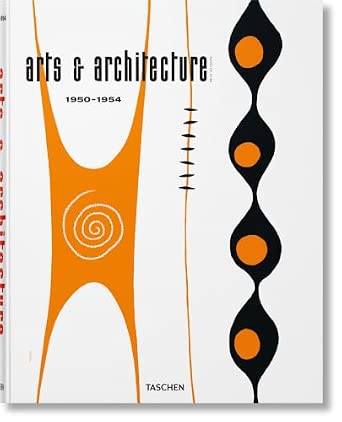 | Best for a Defined Mid-Century Period | Title: Arts & Architecture 1950–1954 | ASIN: 3754400509 | Coverage: 1950–1954 | VIEW LATEST PRICE | See Our Full Breakdown |
| Bauhaus: Updated Edition (Bibliotheca Universalis) |  | Best for Bauhaus Design History | Format: Book | Subject: Bauhaus | Edition: Updated edition | VIEW LATEST PRICE | See Our Full Breakdown |
| Anime Architecture: Imagined Worlds and Endless Megacities |  | Best for Contemporary Visual Culture | Format: Book | Subject: Architecture in anime | Focus: Imagined worlds and megacities | VIEW LATEST PRICE | See Our Full Breakdown |
| Cathedrals: Masterpieces of Architecture, Feats of Engineering, Icons of Faith |  | Best for Architecture, Engineering, and Faith | Format: Book | Subject: Cathedrals | Coverage: Architecture, engineering, and religious significance | VIEW LATEST PRICE | See Our Full Breakdown |
| Drawing Architecture: The Beginner’s Guide to Sketching Architecture |  | Best for Beginner Sketchers | Format: Book | Subject: Drawing architecture | Purpose: Beginner sketching guide | VIEW LATEST PRICE | See Our Full Breakdown |
| Art: The Definitive Visual Guide |  | Best Broad Art Reference | Format: Book | Subject: Art | Presentation: Visual guide | VIEW LATEST PRICE | See Our Full Breakdown |
| Knowledge Encyclopedia: Art & Architecture |  | Best for Young Readers | Subject: Art and architecture | Audience: Children | Format: Not specified | VIEW LATEST PRICE | See Our Full Breakdown |
| On Artistry: Architecture and Interiors |  | Best for Architecture-and-Interior Design Pairing | Subject: Architecture and interior design | Format: Not specified | Audience: Not specified | VIEW LATEST PRICE | See Our Full Breakdown |
| Architecture: A Visual History (DK Ultimate Guides) |  | Best for a Visual Architecture-History Survey | Subject: Architecture history | Approach: Visual history | Series: DK Ultimate Guides | VIEW LATEST PRICE | See Our Full Breakdown |
| Michelangelo: The Complete Sculpture, Painting, Architecture | 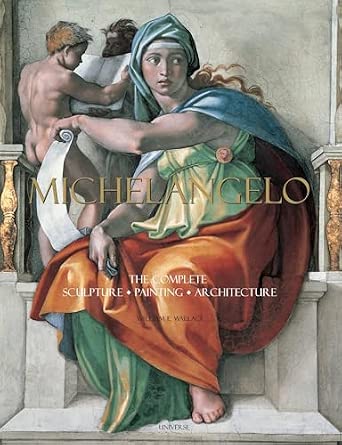 | Best for a Single-Artist Study | Primary subject: Michelangelo | Works covered: Sculpture, painting, and architecture | Scope stated in title: Complete | VIEW LATEST PRICE | See Our Full Breakdown |
| Arts & Architecture 1955–1959 |  | Best for a Defined Mid-Century Period | Subject: Arts and architecture | Years covered: 1955–1959 | Coverage type: Period-specific | VIEW LATEST PRICE | See Our Full Breakdown |
| art and architecture book | Format | Subject | ASIN | Publisher |
|---|---|---|---|---|
| Mies van der Rohe | Not provided | Architect Ludwig Mies van der Rohe | 3836560429 | Not provided |
| Architectural Digest at 100: A | Book | — | 1419733338 | Architectural Digest |
| Stillness: An Exploration of J | Book | Japanese aesthetics | 3967041581 | Not provided |
| Architecture: The Definitive V | Not provided | — | 0744084989 | Not provided |
| Arts & Architecture 1950–1954 | Not provided | Arts and architecture | 3754400509 | Not provided |
| Bauhaus: Updated Edition | Book | Bauhaus | — | — |
| Anime Architecture: Imagined W | Book | Architecture in anime | — | — |
| Cathedrals: Masterpieces of Ar | Book | Cathedrals | — | — |
| Drawing Architecture: The Begi | Book | Drawing architecture | — | — |
| Art: The Definitive Visual Gui | Book | Art | — | — |
| Knowledge Encyclopedia: Art & | Not specified | Art and architecture | 9354404030 | Not specified |
| On Artistry: Architecture and | Not specified | Architecture and interior design | 0847877353 | Not specified |
| Architecture: A Visual History | Not specified | Architecture history | 1465464689 | — |
| Michelangelo: The Complete Scu | Not specified | — | 0789318873 | Not specified |
| Arts & Architecture 1955–1959 | Not specified | Arts and architecture | 3754406027 | Not specified |
More Details on Our Top Picks
Mies van der Rohe (Basic Art)
Mies van der Rohe is the focused choice in this group: rather than surveying architecture across eras, it centers on one architect and gives readers a clear route into his work. That narrower lens suits anyone looking to build a collection around individual figures. Compared with Architecture: The Definitive Visual Guide, which promises a broader architectural overview, this book is better suited to sustained interest in a single career than to quick reference across styles or periods.
The limitation follows from the same focus. The supplied details identify it as a Basic Art book about Mies van der Rohe but do not specify its scope, image selection, or level of detail. Readers wanting Japanese design perspectives may find Stillness a closer match, while those seeking archival interiors have a clearer premise in Architectural Digest at 100. Choose this one for its subject, not as a general architecture primer.
Pros:- Clear, architect-centered subject makes it easy to match with a specific interest.
- A more focused alternative to broad reference books such as Architecture: The Definitive Visual Guide.
- Basic Art series designation gives the book an identifiable series context.
Cons:- Provided product information gives no detail about contents, image selection, or scope.
- Its single-architect focus offers less breadth than a general architecture history.
- The available description does not establish how much context it gives readers new to Mies van der Rohe.
Best for: Readers building a library of architect-focused books, especially those with a specific interest in Ludwig Mies van der Rohe.
Not ideal for: Buyers seeking a broad architectural survey, a detailed account of the book’s contents before purchase, or coverage of architecture beyond one named architect.
- Title:Mies van der Rohe (Basic Art)
- Subject:Architect Ludwig Mies van der Rohe
- Series:Basic Art
- ASIN:3836560429
- Format:Not provided
- Publisher:Not provided
Our verdict“Choose this for a focused book about Mies van der Rohe, not for an all-purpose architecture survey.”
Architectural Digest at 100: A Century of Celebrity Homes, Iconic Designers, and American Taste
Architectural Digest at 100 brings a distinct perspective to this lineup: it follows homes, designers, and shifts in American taste through the magazine’s archives, rather than presenting architecture as a sequence of buildings or movements. Its centennial archive makes it the clearest pick for readers interested in how domestic style and celebrity culture intersect. Compared with Stillness, which focuses on Japanese aesthetics in architecture and design, this book offers a specifically American and editorial lens.
That angle also sets limits. Readers primarily seeking architectural theory, a single architect’s career, or a general visual reference may be better served by Mies van der Rohe (Basic Art) or Architecture: The Definitive Visual Guide. The supplied description does not detail the selection of archival material, so buyers should choose it for its stated themes—celebrity homes, influential designers, and changing taste—rather than assume it is a technical architecture survey.
Pros:- Draws on a century of Architectural Digest archive material.
- Connects celebrity homes with influential designers and changing American taste.
- Offers an interiors-and-culture perspective distinct from architecture survey books.
Cons:- Its focus on American taste is narrower than a general global architecture history.
- Celebrity homes and magazine archives may not suit readers seeking technical or theoretical coverage.
- The supplied description does not specify the archive selection or organization.
Best for: Readers interested in American interiors, celebrity homes, influential designers, and how domestic taste has changed across a century.
Not ideal for: Readers seeking a technical architecture textbook, a focused monograph on one architect, or a survey centered on non-American design.
- Title:Architectural Digest at 100: A Century of Celebrity Homes, Iconic Designers, and American Taste
- ASIN:1419733338
- Format:Book
- Publisher:Architectural Digest
- Source material:Architectural Digest archives
- Coverage:A century of celebrity homes, influential designers, and American taste
Our verdict“Pick this for a century-spanning view of American homes and design culture rather than a technical architecture reference.”
Stillness: An Exploration of Japanese Aesthetics in Architecture and Design
Stillness is the most culturally specific design pick here, centering Japanese aesthetics across both architecture and design. That combination gives it a different purpose from Mies van der Rohe (Basic Art), which concentrates on one architect, and from Architectural Digest at 100, which draws on American homes and taste. For readers who want a focused perspective rather than a broad chronology, its stated subject is the main draw.
The tradeoff is limited information: the supplied data does not describe the book’s examples, structure, or depth. That makes it harder to judge whether it works as an introduction or assumes prior knowledge. Readers wanting a wider architecture reference may prefer Architecture: The Definitive Visual Guide; those seeking a specific archival period have a more clearly bounded choice in Arts & Architecture 1950–1954. I would select this for its Japanese design focus, while accepting that its precise coverage is not specified.
Pros:- Dedicated focus on Japanese aesthetics.
- Covers architecture and design together.
- Provides a culturally specific alternative to the American focus of Architectural Digest at 100.
Cons:- The supplied product details do not identify examples, chapters, or level of coverage.
- Its focused subject is less suited to readers wanting a general architecture reference.
- The available description does not clarify whether it is introductory or specialist in approach.
Best for: Readers exploring Japanese aesthetics who want a book that connects architecture with design rather than treating buildings alone.
Not ideal for: Buyers seeking a broad global survey, a clearly specified historical period, or detailed information about the book’s contents before choosing.
- Title:Stillness: An Exploration of Japanese Aesthetics in Architecture and Design
- ASIN:3967041581
- Format:Book
- Subject:Japanese aesthetics
- Coverage:Architecture and design
- Publisher:Not provided
Our verdict“Choose Stillness if Japanese aesthetics across architecture and design are your priority and the unspecified scope is acceptable.”
Architecture: The Definitive Visual Guide
Architecture: The Definitive Visual Guide has the broadest stated role among these five: a visual guide to architecture within DK’s Definitive Cultural Histories series. That makes it the natural option for readers who want an overview rather than a single-subject book. Compared with Mies van der Rohe (Basic Art), it promises wider coverage; compared with Arts & Architecture 1950–1954, it is not defined by one short period.
The title and series identify its format as a visual guide, but the supplied data gives no detail about chronology, geographic range, or specific topics. Readers who want a clear cultural lens may prefer Stillness for Japanese aesthetics, while fans of interiors may find Architectural Digest at 100 more directly aligned with their interests. This is the strongest fit for broad visual browsing, but not a safe pick for anyone who needs a particular region or era confirmed.
Pros:- Positioned as a visual guide, making it the broad-reference choice in this group.
- Part of DK’s Definitive Cultural Histories series.
- Offers a wider stated scope than the single-architect focus of Mies van der Rohe (Basic Art).
Cons:- The supplied details do not specify its chronology or geographic coverage.
- No particular movements, buildings, or architects are identified in the product information.
- Its broad-guide framing may be less suited to readers seeking a focused cultural or archival perspective.
Best for: Readers looking for a broad, visually oriented architecture reference rather than a book about one architect or design tradition.
Not ideal for: Buyers who need confirmed coverage of a specific period, region, architectural movement, or technical subject.
- Title:Architecture: The Definitive Visual Guide
- ASIN:0744084989
- Series:DK Definitive Cultural Histories
- Type:Visual guide to architecture
- Format:Not provided
- Publisher:Not provided
Our verdict“Choose this as a broad visual starting point, but verify its coverage if you need a particular era or region.”
Arts & Architecture 1950–1954
Arts & Architecture 1950–1954 is the period-specific pick: its title sets a clear five-year window, making it a better match for readers researching a defined stretch of art and architecture than for those after a general introduction. That sharply distinguishes it from Architecture: The Definitive Visual Guide, whose stated purpose is broad visual coverage, and from Architectural Digest at 100, which spans a century of magazine archives and American taste.
The date range is useful for narrowing a collection, but the supplied information does not say whether the volume reproduces archival material, offers commentary, or covers particular artists and buildings. Buyers should not assume a specific editorial format from the title alone. Compared with Stillness, it provides a time-based rather than cultural focus. Choose it when 1950–1954 is the reason for buying; skip it if you need a clearly explained survey or a broader overview.
Pros:- Clearly defined coverage from 1950 through 1954.
- A period-based focus that differs from the broad scope of Architecture: The Definitive Visual Guide.
- Potentially useful for readers organizing a collection around a specific historical interval.
Cons:- The supplied description does not explain the contents or editorial approach.
- Its narrow date range limits usefulness as a general art and architecture overview.
- No specific artists, architects, buildings, or movements are identified in the available data.
Best for: Readers researching art and architecture from 1950 through 1954 who want a volume tied to a specific historical window.
Not ideal for: Buyers seeking a general introduction or confirmed details about the book’s contents, editorial format, and featured subjects.
- Title:Arts & Architecture 1950–1954
- ASIN:3754400509
- Coverage:1950–1954
- Subject:Arts and architecture
- Format:Not provided
- Publisher:Not provided
Our verdict“Buy this for its stated 1950–1954 focus, not as a general guide whose coverage and format are fully described.”
Bauhaus: Updated Edition (Bibliotheca Universalis)
A focused entry point to the Bauhaus, this book suits readers who want one influential movement rather than a broad survey of art or architecture. Its updated-edition designation and place in the Bibliotheca Universalis series identify the subject and format, but the supplied product details do not specify image count, dimensions, or the scope of its coverage. Compared with Art: The Definitive Visual Guide, which promises a wider art-history view, this title is the more targeted choice for tracing Bauhaus ideas across design and architecture. That focus is also its limitation: readers seeking a practical drawing manual or an overview of several architectural traditions should choose elsewhere. I would shortlist it for readers building a movement-specific shelf, while checking the edition’s contents before buying if visual coverage is a priority.
Pros:- Concentrates on a major movement rather than spreading attention across many subjects
- Updated edition designation signals a revised edition
- Bibliotheca Universalis series provides a clear series identity
- A more focused subject choice than the broad Art: The Definitive Visual Guide
Cons:- Provided product information does not describe the book’s coverage or visual contents
- Its Bauhaus focus may feel narrow to readers seeking a general architecture survey
- No format or physical specifications are supplied
Best for: Readers seeking a dedicated introduction to the Bauhaus movement and its place in art and architecture
Not ideal for: Buyers who want a broad art-history survey, hands-on sketching instruction, or detailed format information before choosing
- Format:Book
- Subject:Bauhaus
- Edition:Updated edition
- Series:Bibliotheca Universalis
- ISBN-10:3836565544
- Product type:Art and architecture book
Our verdict“Choose this for a movement-focused Bauhaus book, but verify the edition’s contents if you need a particular depth or image format.”
Anime Architecture: Imagined Worlds and Endless Megacities
Anime Architecture takes the roundup beyond buildings as they exist, focusing instead on designed environments in animated worlds and vast imagined cities. That makes it a distinct pick beside Bauhaus: Updated Edition: the Bauhaus book centers on a real historical movement, while this title’s stated subject is architecture as represented in anime. It should appeal to readers interested in how visual storytelling shapes ideas about cities and built space. The supplied information, however, gives no details about the book’s image selection, essays, creators, or scope, so I can’t judge how deeply it analyzes its subject from the description alone. Readers wanting practical drawing guidance should look to Drawing Architecture instead. This is a niche visual-culture choice, not a general architectural reference.
Pros:- Connects architectural ideas with anime and visual storytelling
- Focuses on imagined worlds and megacities, a distinct angle among the listed titles
- Offers a subject contrast to history-centered books such as Bauhaus: Updated Edition
- May interest readers across animation, illustration, and architecture
Cons:- Provided product details do not explain the book’s contents, contributors, or visual approach
- Its specialized anime focus will not suit readers seeking broad architecture coverage
- No physical format or publication specifications are supplied
Best for: Anime fans, illustrators, and architecture readers curious about imagined cities and built environments in animation
Not ideal for: Readers seeking a general history of architecture, technical building analysis, or step-by-step sketching lessons
- Format:Book
- Subject:Architecture in anime
- Focus:Imagined worlds and megacities
- ISBN-10:0500294526
- Product type:Art and architecture book
- Physical details:Not provided
Our verdict“Pick this for an anime-centered view of imagined architecture, not as a substitute for a general architectural history or drawing guide.”
Cathedrals: Masterpieces of Architecture, Feats of Engineering, Icons of Faith
Cathedrals earns its place by treating these buildings through three connected lenses: architecture, engineering, and religious meaning. That makes it a more layered subject pick than Bauhaus: Updated Edition, which centers on a single design movement, and more rooted in built history than Anime Architecture’s imagined environments. Readers interested in how structural ambition and faith shaped landmark buildings have a clear reason to choose it. The tradeoff is its narrow subject: it does not promise a survey of architecture beyond cathedrals, and the supplied data gives no detail on geographic range, historical coverage, or image content. I’d favor it for readers who want a focused study of sacred architecture, while those looking for broad visual coverage should compare it with Art: The Definitive Visual Guide.
Pros:- Brings architectural design, engineering, and faith into one subject
- Offers a focused study of cathedrals rather than a broad survey
- Provides a clear contrast with movement-specific books such as Bauhaus: Updated Edition
- Its subject can interest readers of architecture, engineering, and religious history
Cons:- Concentrates on cathedrals rather than architecture across building types
- Provided product data does not specify geographic or historical scope
- No details about illustrations or physical format are supplied
Best for: Readers interested in sacred buildings and the relationship between cathedral design, engineering, and religious history
Not ideal for: Buyers seeking a broad overview of architecture, a practical drawing guide, or confirmed details about geographic and historical coverage
- Format:Book
- Subject:Cathedrals
- Coverage:Architecture, engineering, and religious significance
- ISBN-10:0847871401
- Product type:Book
- Physical details:Not provided
Our verdict“Choose this if you want cathedrals examined as both engineering works and sacred architecture; skip it for a general survey.”
Drawing Architecture: The Beginner’s Guide to Sketching Architecture
Drawing Architecture is the practical skills pick in this group: its title identifies it as a beginner’s guide to sketching buildings, rather than a history or image-led survey. That makes it a different purchase from Art: The Definitive Visual Guide, which is framed as a broad visual guide, and from Cathedrals, which focuses on interpreting a class of buildings. The instructional angle should suit readers who want to make architectural drawings themselves. Still, the supplied product data includes no description of lessons, materials, techniques, or illustrations, so buyers cannot judge the teaching approach from the available details. It is also a narrower choice for readers who mainly want art and architecture to browse rather than a skill to practice. I’d select it for beginners seeking a dedicated sketching guide.
Pros:- Explicitly aimed at beginners
- Focuses on sketching architecture rather than only describing buildings
- Provides a practical counterpart to the more survey-oriented Art: The Definitive Visual Guide
- Its subject is well defined by the title
Cons:- Provided product data does not describe exercises, drawing materials, or teaching methods
- Less suited to readers seeking an art or architecture history reference
- No format or physical specifications are supplied
Best for: New sketchers who want a book specifically framed around drawing buildings and architectural forms
Not ideal for: Readers who want an illustrated art-history reference or detailed information about the book’s exercises and techniques before purchasing
- Format:Book
- Subject:Drawing architecture
- Purpose:Beginner sketching guide
- ISBN-10:1446309525
- Product type:Art and architecture book
- Physical details:Not provided
Our verdict“Choose this if you are a beginner looking to sketch architecture; choose a visual survey if you mainly want to browse and learn history.”
Art: The Definitive Visual Guide
Art: The Definitive Visual Guide is the broadest art-focused choice among these five, making it the natural counterpart to titles devoted to one movement, building type, or skill. Its place in DK’s Definitive Cultural Histories series reinforces its reference-guide positioning, while the supplied description specifically identifies it as a visual guide. Compared with Bauhaus: Updated Edition, it should appeal more to readers who want a wide-ranging entry point than to those pursuing one movement in depth. That breadth is also the tradeoff: buyers seeking hands-on instruction will find Drawing Architecture more directly relevant, and architecture-only readers may prefer a dedicated architecture survey. The provided details do not state its historical scope, image count, or physical format, so I’d treat it as a broad art reference rather than assume a particular level of coverage.
Pros:- Presented as a visual guide to art
- Belongs to DK’s Definitive Cultural Histories series
- A broader subject choice than Bauhaus: Updated Edition
- Can serve readers seeking a general art reference rather than a single-topic book
Cons:- The available description does not specify the guide’s historical scope or organization
- Less directly suited to architecture-only interests than a dedicated architecture title
- No image count or physical format details are provided
Best for: Readers who want a visual art reference with a broad cultural-history orientation rather than a book on one movement
Not ideal for: Architecture-only readers, beginner sketchers seeking exercises, or buyers who need confirmed details about scope and physical format
- Format:Book
- Subject:Art
- Presentation:Visual guide
- Series:DK Definitive Cultural Histories
- ISBN-10:1465474757
- Product type:Art reference book
Our verdict“Choose this for a broad visual art reference; pick a specialist title if you want architectural instruction or depth on one subject.”
Knowledge Encyclopedia: Art & Architecture
Knowledge Encyclopedia: Art & Architecture is the clearest fit here for children who want an introduction to both subjects in one book. Its combined scope gives young readers a way to connect buildings with the art and visual culture around them, rather than treating architecture as a separate topic. Compared with the broader historical focus of Architecture: A Visual History (DK Ultimate Guides), this title is specifically identified for a child audience, making it the more age-targeted choice in this group. The tradeoff is limited detail in the available product information: it does not specify topics, layout, illustrations, or reading level. I’d choose it for an early, accessible starting point, not as a detailed reference for older students or adults.
Pros:- Combines art and architecture in one reference
- Identified as designed for children
- Offers a subject-spanning starting point for young readers
Cons:- The available information does not identify specific topics or examples
- Reading level, illustrations, and format are not specified
- Its child-focused audience may limit usefulness as an in-depth adult reference
Best for: Children beginning to explore art and architecture together, and adults seeking a child-focused reference on both subjects.
Not ideal for: Older students and adult readers who need detailed historical coverage, named artists, or confirmed information about the book’s contents and format.
- Subject:Art and architecture
- Audience:Children
- Format:Not specified
- Reading level:Not specified
- Illustration details:Not specified
- Publisher:Not specified
- ASIN:9354404030
Our verdict“Choose this for a child’s broad first introduction to art and architecture, rather than for detailed study.”
On Artistry: Architecture and Interiors
On Artistry: Architecture and Interiors stands apart from history-led choices such as Architecture: A Visual History (DK Ultimate Guides) by bringing architecture and interior design together in its stated subject. That pairing may suit readers interested in how buildings and their interiors relate, rather than those seeking a survey of architectural eras or a single architect’s work. The limitation is substantial: the available description provides no information about the book’s scope, examples, authorship, format, or visual approach. I can’t tell whether it is a broad reference or a more selective presentation, so it is harder to recommend as a dependable study guide. It makes the most sense for readers drawn to the combined subject, provided they can confirm the contents before choosing it.
Pros:- Covers architecture and interiors together
- Provides a subject pairing distinct from architecture-history titles
- May suit readers interested in the relationship between buildings and interior spaces
Cons:- No details are provided about the book’s contents or examples
- Format and visual presentation are unspecified
- The description does not establish its depth or intended audience
Best for: Readers specifically looking for a book that addresses architecture and interior design together, rather than architecture history alone.
Not ideal for: Buyers who need a clearly described historical survey, a known set of case studies, or confirmed details about format and coverage.
- Subject:Architecture and interior design
- Format:Not specified
- Audience:Not specified
- Author:Not specified
- Publisher:Not specified
- Publication details:Not specified
- ASIN:0847877353
Our verdict“Consider it if the architecture-and-interiors pairing is your priority and you can verify its contents first.”
Architecture: A Visual History (DK Ultimate Guides)
Architecture: A Visual History (DK Ultimate Guides) is the most directly history-oriented choice in this batch: its title identifies both a visual approach and a survey of architecture through time. That makes it a more natural pick for readers wanting a broad architectural overview than On Artistry: Architecture and Interiors, whose description names a different subject pairing but gives no historical scope. The DK Ultimate Guides series is also confirmed, though the supplied information does not establish the book’s specific periods, image selection, or level of detail. That uncertainty matters if you need a reference for a particular era or architect. I’d favor this for browsing architectural history across a wide field, while readers seeking a specialist monograph should choose a more focused title.
Pros:- Explicitly presents architecture as a visual history
- A broad historical framing suits readers seeking an overview
- Part of the DK Ultimate Guides series
Cons:- The available description does not specify historical periods or coverage
- Image selection and depth are not detailed
- May be too broad for readers focused on one architect or movement
Best for: Readers who want a visually oriented introduction to architecture history across multiple periods.
Not ideal for: Specialists or students seeking a verified account of a particular architect, period, or architectural movement.
- Subject:Architecture history
- Approach:Visual history
- Series:DK Ultimate Guides
- Historical periods:Not specified
- Audience:Not specified
- Format:Not specified
- ASIN:1465464689
Our verdict“Pick this for a broad visual route through architecture history, not for a narrowly focused study.”
Michelangelo: The Complete Sculpture, Painting, Architecture
Michelangelo: The Complete Sculpture, Painting, Architecture takes a focused, artist-centered route through art and architecture. Its title names three areas of Michelangelo’s work, making it a sharper choice for readers who want to follow one figure across different creative disciplines than Architecture: A Visual History (DK Ultimate Guides), which is framed as a wider architectural survey. That concentration is also the tradeoff: this is not a broad guide to architecture or art history, and the product information does not clarify what “complete” covers, how the works are presented, or how much context accompanies them. I’d consider it for readers with a particular interest in Michelangelo, but not as a general-purpose introduction to architecture.
Pros:- Focuses on a clearly identified artist
- Names sculpture, painting, and architecture as areas of coverage
- Connects multiple art forms through one figure
Cons:- Its single-artist scope is narrower than a general history
- The meaning and limits of “complete” are not explained in the supplied data
- Format, image coverage, and contextual depth are unspecified
Best for: Readers studying Michelangelo who want a book spanning his sculpture, painting, and architectural work.
Not ideal for: Readers seeking a broad art-and-architecture survey or a guide to artists and architects beyond Michelangelo.
- Primary subject:Michelangelo
- Works covered:Sculpture, painting, and architecture
- Scope stated in title:Complete
- Format:Not specified
- Audience:Not specified
- Publisher:Not specified
- ASIN:0789318873
Our verdict“Choose this for a Michelangelo-centered study across several disciplines, not for a general survey.”
Arts & Architecture 1955–1959
Arts & Architecture 1955–1959 is the most tightly bounded choice here: its title fixes the subject to a named four-year span. That makes it potentially more useful to readers tracing a particular period than the broad survey promised by Architecture: A Visual History (DK Ultimate Guides). The title’s combined “Arts & Architecture” framing also signals a scope beyond buildings alone, though the available information does not describe the material, publication context, or selection criteria. This narrow time window is both its distinction and its limitation; readers looking for a long historical arc or a general introduction may find it too specific. I’d choose it when the 1955–1959 period itself is the reason for buying, not as a first art-and-architecture reference.
Pros:- Clearly identifies the years covered
- Pairs arts and architecture in its stated scope
- Offers a period-specific alternative to broad architectural surveys
Cons:- Coverage is limited to 1955–1959
- The supplied description does not explain the volume’s contents or selection
- Audience, format, and historical context are unspecified
Best for: Readers researching or collecting material tied specifically to arts and architecture from 1955 through 1959.
Not ideal for: Beginners seeking an overview across architectural history or readers who need confirmed details about the volume’s contents.
- Subject:Arts and architecture
- Years covered:1955–1959
- Coverage type:Period-specific
- Format:Not specified
- Audience:Not specified
- Publisher:Not specified
- ASIN:3754406027
Our verdict“Choose this when its 1955–1959 focus matches your research or collecting interest; skip it for a broad introduction.”
How We Picked
I ranked these books by how well they answer different buyer needs within the art-and-architecture category: breadth of coverage, clarity for non-specialists, visual usefulness, focus, and the value of their subject matter for repeat reference. I also considered whether a title is primarily a survey, an instructional guide, a historical record, or a focused visual study. Those differences matter: a beautiful collection can be a satisfying gift but a poor substitute for a structured introduction.
The order favors books that serve a wider range of readers without losing a clear point of view. Broad visual guides rank highly for their versatility; specialized titles follow when their narrower subject gives a particular audience more useful detail. The list also includes paired subjects and complementary books, such as art and architecture surveys and the two Arts & Architecture volumes, so readers can judge whether one book or a set better fits their goals. No single choice suits every reader, so the picks below make their intended audience and tradeoffs explicit.
| art and architecture book | Format | Publisher |
|---|---|---|
| Mies van der Rohe | Not provided | Not provided |
| Architectural Digest at 100: A | Book | Architectural Digest |
| Stillness: An Exploration of J | Book | Not provided |
| Architecture: The Definitive V | Not provided | Not provided |
| Arts & Architecture 1950–1954 | Not provided | Not provided |
| Bauhaus: Updated Edition | Book | — |
| Anime Architecture: Imagined W | Book | — |
| Cathedrals: Masterpieces of Ar | Book | — |
| Drawing Architecture: The Begi | Book | — |
| Art: The Definitive Visual Gui | Book | — |
| Knowledge Encyclopedia: Art & | Not specified | Not specified |
| On Artistry: Architecture and | Not specified | Not specified |
| Architecture: A Visual History | Not specified | — |
| Michelangelo: The Complete Scu | Not specified | Not specified |
| Arts & Architecture 1955–1959 | Not specified | Not specified |
Factors to Consider When Choosing Best Art And Architecture Books
Before choosing, decide what job you want the book to do. A reference for browsing, an illustrated history, a studio resource, and a collectible archive can all sit under the same category while offering very different reading experiences.
Choose breadth or a focused subject
A broad survey can help you build a map of art or architectural history and spot subjects worth pursuing later. Its cost is limited depth: a short treatment of many movements may leave specialists wanting more context. A focused title gives more room to explore a person, style, building type, or design tradition, but it may assume you already know the basics. A common mistake is choosing a specialist book for a first introduction because its subject sounds appealing. If you are unsure what interests you, start broad; if you can name the topic you want to explore, narrow the scope.
Match the book to how you will use it
For browsing, prioritize clear image sequencing, captions, and a layout that makes it easy to dip in and out. For study, look for explanations and historical connections that help images make sense rather than treating them as decoration. If you want to draw, a guide built around exercises or techniques is more useful than a purely historical survey. Archive or magazine collections serve a different purpose: they preserve a period’s visual language and editorial context, rather than presenting a modern overview. Think about whether you will read cover to cover, consult it occasionally, or keep it open beside a sketchbook.
Check how art and architecture are balanced
A title combining art and architecture may give one subject much more attention than the other. That can be a strength if you want a connection between disciplines, but a limitation if you expect equal coverage. Separate art and architecture surveys offer clearer subject depth, though they take more shelf space and may repeat some historical context. Books centered on an artist, movement, or design culture often connect creative fields through a specific lens. Before buying, scan the contents and sample pages when available; the title alone may not reveal which discipline dominates.
Treat image quality and physical format as part of the experience
Art and architecture books rely heavily on reproduction, scale, and page design. Large images can reveal surface, proportion, and detail, while compact formats are easier to carry and store but may make intricate work harder to inspect. A thick reference volume may be better for a desk or coffee table than for reading on a commute. If the book is a gift, think about the recipient’s space and whether they prefer a book to browse or one to study closely. Do not assume that more pages automatically mean a better visual experience; image selection and caption quality also matter.
Decide when a pair or set is worth it
Related books can provide a fuller view when each adds a distinct period or discipline. The two Arts & Architecture volumes, for example, cover separate year ranges, so a set can extend the historical record beyond one volume. Pairing art and architecture surveys may also help readers compare how ideas travel between fields. The tradeoff is overlap: two broad references can repeat background material without adding much new insight. Buy a set when the books divide the subject clearly, not simply because their covers look coordinated.
Choose a level that fits your background
Readers new to the subject usually benefit from accessible language, clear chronology, and explanations of unfamiliar terms. More experienced readers may prefer a concentrated study, archival material, or a distinctive interpretive angle. An encyclopedia can work well for short questions and browsing, but it may not provide the continuous argument of a dedicated history. Likewise, a visually rich book can be inviting without functioning as a teaching text. A practical approach is to choose one book for orientation and add a specialist title only when you know what you want to learn next.
Frequently Asked Questions
Should I choose an art book or an architecture book if I want both subjects?
Start with the subject you are more likely to return to, because a single survey rarely gives equal depth to both. A broad architecture guide paired with a broad art guide can provide more reliable coverage than expecting one title to do everything. If you prefer connections between disciplines, a book centered on an artist or movement may offer a more coherent bridge. Check the contents pages to see how much space each subject receives. This quick check can prevent a title’s broad label from creating the wrong expectation.
Are visual reference books useful if I am new to art history?
They can be a friendly starting point when images are paired with readable captions and a clear structure. A reference arranged by period or theme helps you see relationships, but it may not explain every term or historical debate. For a first book, prioritize orientation and context over sheer image count. Use a broad survey to identify artists, buildings, or movements that interest you, then follow those threads with a focused title. This approach keeps an illustrated reference from becoming a collection of disconnected pages.
Is a specialist book a poor choice as a gift?
Not if you know what the recipient cares about. A focused subject can feel more personal than a general survey, especially for someone interested in a particular designer, era, or visual culture. The risk is choosing a niche they do not follow, so look for clues in their home, studies, or existing collection. If their interests are unclear, a broad visual guide is usually a safer starting point. A specialist book works best when the recipient’s enthusiasm is specific, not merely a general interest in design.
Do I need both Arts & Architecture volumes to understand the magazine’s history?
No; either volume can offer a view of its own period. Buying both makes more sense if you want continuity across the years covered by the two books or are building a reference collection. A single volume is a more focused choice when you are drawn to one particular span of the magazine’s history. Before choosing, check which years each edition covers and whether that period matches your interest. The main advantage of the pair is chronological reach, not necessarily a different reading format.
What should I prioritize in an architecture book for sketching practice?
Look for instruction that explains observation and drawing decisions, not only finished architectural illustrations. Useful guidance may address perspective, proportion, line, and how to simplify complex forms. A historical survey can supply subjects and visual inspiration, but it will not necessarily teach a repeatable process. Consider whether you want exercises you can follow or examples to study at your own pace. If you are starting out, a dedicated beginner guide is a more direct choice than a general architecture reference.
Conclusion
For the best overall balance of range and accessibility, I recommend Architecture: The Definitive Visual Guide; choose Art: The Definitive Visual Guide as its art-focused counterpart. Readers looking for best value in a first reference should favor a broad visual guide that matches their main interest, rather than buying overlapping surveys. For a premium, more focused collection, consider the Arts & Architecture volumes together if their covered years suit your interest. Beginners who want to draw should choose Drawing Architecture, while readers seeking a particular subject can turn to Stillness, Bauhaus, Cathedrals, Mies van der Rohe, or Anime Architecture. Michelangelo: The Complete Sculpture, Painting, Architecture is the most direct pick for readers who want one figure connecting multiple creative fields.