In “A Poem for Deep Thinkers,” Rashid Johnson creates a space where you can explore personal and cultural identities through layered symbols and everyday objects. The artwork acts as a sanctuary for reflection, inviting you to contemplate your own stories and societal influences. By blending mixed media with cultural significance, Johnson encourages you to see beyond surface appearances and embrace the interconnectedness of individual and collective histories. Continuing will reveal more about how this piece fosters understanding and empathy.
Key Takeaways
- Johnson’s artwork uses layered objects and media to symbolize personal escapism and complex cultural identities.
- “A Poem for Deep Thinkers” invites viewers to reflect on how personal and collective histories shape identity.
- The piece employs cultural symbols and everyday objects to create a narrative of resilience and self-exploration.
- Art functions as a sanctuary for introspection, encouraging viewers to explore their own identities and cultural backgrounds.
- Johnson’s work emphasizes art’s role in fostering empathy and understanding of layered human experiences.
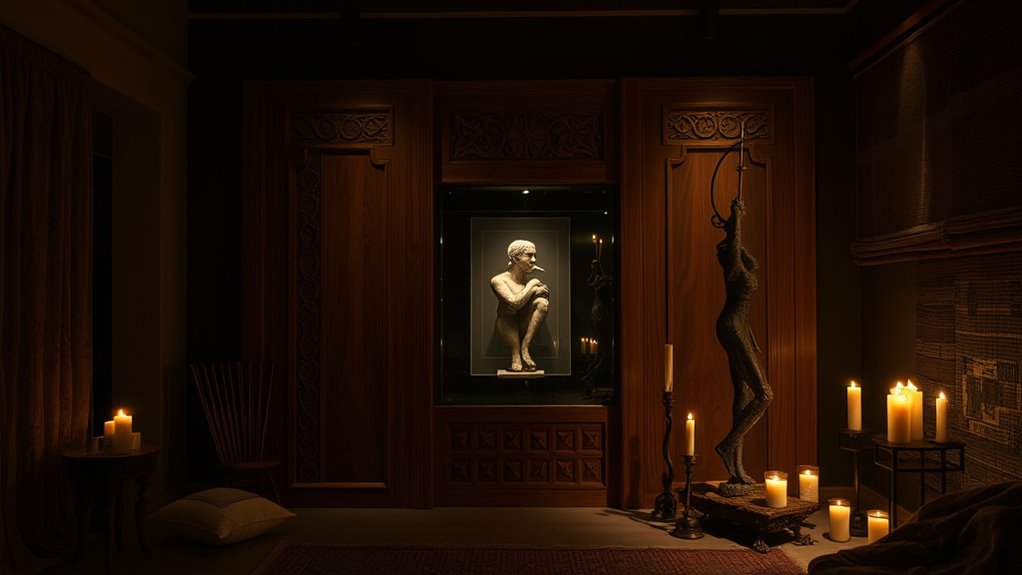
Have you ever wondered how art can serve as a refuge for exploring complex personal and cultural identities? Rashid Johnson’s “A Poem for Deep Thinkers” invites you into a space where these themes intertwine seamlessly. Through his use of cultural symbolism, Johnson transforms everyday objects into powerful representations of identity, history, and collective memory. You’re encouraged to see beyond surface appearances and engage with personal narratives embedded within each piece. This artwork acts as a dialogue between the personal and the cultural, allowing you to reflect on your own experiences while connecting with broader societal themes.
Johnson’s work employs cultural symbolism as a way to anchor personal stories within a shared history. For example, he incorporates materials like books, plants, and furniture—objects that carry cultural weight and personal significance. These elements symbolize more than their physical presence; they speak to histories of resilience, struggle, and community. As you observe, you realize that each object is a vessel for storytelling, a way for Johnson to communicate layered identities. The symbols become a bridge, linking your own background with collective cultural narratives, making the artwork both intimate and universal. It’s a reminder that personal narratives are often shaped by cultural influences, and *to contemplate* them fosters a deeper understanding of their interconnectedness and significance.
Cultural symbols like books and plants connect personal stories to shared histories, enriching understanding through layered storytelling.
In “A Poem for Deep Thinkers,” Johnson also emphasizes the importance of storytelling in understanding identity. His use of layered materials and mixed media invites you to explore multiple perspectives. You’re encouraged to think about how personal histories are constructed and how they intersect with cultural history. The artwork becomes a visual poem, a reflection of individual journeys that are deeply rooted in collective experiences. When you engage with the piece, you may find yourself examining your own personal narratives—how your background, memories, and cultural influences shape who you are. Johnson’s work doesn’t just tell a story; it prompts you to consider the stories behind your own identity, highlighting the fluidity and complexity of human experience.
Ultimately, Johnson’s “A Poem for Deep Thinkers” serves as a sanctuary for introspection and cultural exploration. It demonstrates how art can be a powerful tool for understanding ourselves and others. By weaving cultural symbolism with personal narratives, Johnson creates a space where you can reflect on the layers of identity that define you. His work challenges you to see the interconnectedness of personal and collective histories, inspiring a deeper appreciation of the rich tapestry that makes up human identity. In doing so, it affirms that art is not just a reflection of reality but a transformative space for exploring and embracing the complexities within us all.
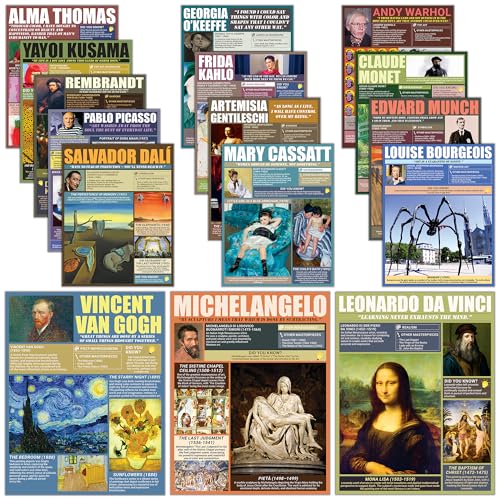
KING PRINT Famous Art Posters for Classroom, 16 Pack History Painting 11×14
- 16 Masterpieces from Rennaisance to Modern: Includes works by Da Vinci, Van Gogh, Picasso, and more
- Premium Matte-Laminated 250 GSM: Resists glare, tears, and curling for durability
- Diverse Art History Representation: Features 6 women artists and global voices
As an affiliate, we earn on qualifying purchases.
As an affiliate, we earn on qualifying purchases.
Frequently Asked Questions
What Inspired Rashid Johnson’s Use of Mixed Media in This Piece?
You’re inspired by the power of mixed media to explore complex themes, blending different materials to reflect identity and escapism. Rashid Johnson’s artistic inspiration comes from his desire to challenge traditional boundaries and create layered, thought-provoking works. This approach allows you to express multifaceted ideas visually, engaging viewers on deeper levels. His use of mixed media helps communicate the nuances of personal and cultural identity, making each piece uniquely compelling and dynamic.
How Does the Title “A Poem for Deep Thinkers” Relate to the Artwork?
The title “A Poem for Deep Thinkers” invites you to explore interpretive layers and poetic symbolism within the artwork. It suggests that this piece isn’t just visual but prompts introspection, encouraging you to analyze its meaning critically. You’re encouraged to see it as a dialogue between visual elements and poetic metaphor, making it a thoughtful experience that resonates with those who seek deeper understanding beyond surface appearances.
What Cultural Influences Are Reflected in Johnson’s Thematic Choices?
You can see African American heritage and jazz influence in Johnson’s thematic choices. He incorporates symbols and motifs that celebrate cultural roots, highlighting their importance in identity. The jazz influence is reflected through improvisation and rhythm, which echo the fluidity and resilience of the culture. This blend helps explore themes of escapism and self-discovery, making his work resonate deeply with viewers familiar with these rich cultural traditions.
How Has Johnson’s Personal History Shaped This Specific Work?
Your personal history profoundly shapes Johnson’s work, as it influences his themes of escapism and identity. Growing up in Chicago, he experienced racial and cultural dynamics that inform his artistic influence. You see this reflected in his work’s introspective nature, revealing how his background drives his exploration of self and society. This personal history fuels his creative process, allowing him to create meaningful, resonant art that speaks to deeper identity struggles.
What Is the Significance of the Recurring Motifs in the Piece?
You notice the recurring motifs weaving through the piece, creating a sense of mystery and depth. These symbols hold significant meaning, representing themes like identity and escapism that Johnson explores. Their recurrence isn’t accidental; it emphasizes how these ideas persist in your mind, urging you to reflect. The motif significance lies in how they connect different layers of the work, drawing you into a deeper understanding of the complex emotions behind the poetry.

MOFUNY Mixed Media Sketchbook 9×12, Drawing Paper Pad 60 Sheets_98lb/160gsm
- High-Quality Recyclable Paper: 98 lb/160 gsm mixed media paper
- Prevents Ink Bleeding: Thick, acid-free paper prevents color deterioration
- Durable Hardcover & Bottom: Protects artwork from damage
As an affiliate, we earn on qualifying purchases.
As an affiliate, we earn on qualifying purchases.
Conclusion
As you close the page, you see Johnson’s work as a mirror reflecting your own quest for escape and self-discovery. His symbols—mirrors, masks, and fractured images—become your journey’s markers, guiding you through the labyrinth of identity. Like stepping into a quiet room filled with echoes of your thoughts, his art invites you to find clarity amid chaos. In this space, you realize that escape isn’t just about leaving, but about uncovering who you truly are beneath the surface.

INSIDE THEN OUT Better Every Day Journal – Guided Daily Journal with 365 Pre-Dated Prompts for Self Love, Reflection, Growth, Gratitude, Wellness, and Healing – Self Care Routine Gift for Women Men
- Guided Daily Prompts: 365 prompts for self-love and growth
- Pre-Dated Pages: Start anytime, any year
- Multiple Journaling Themes: Self-awareness, love, growth, and more
As an affiliate, we earn on qualifying purchases.
As an affiliate, we earn on qualifying purchases.

River Rocks for Painting 25 Pcs Large 2-3 Inch Flat Smooth Painting Stones Craft Rock to Paint for Kids Crafts Painting Bulk
- Set of 25 Painting Stones: Large 2-3 inch flat rocks
- Smooth Surface and Edges: Easy to paint without scratching
- Ideal for Various Paints: Suitable for markers and watercolors
As an affiliate, we earn on qualifying purchases.
As an affiliate, we earn on qualifying purchases.