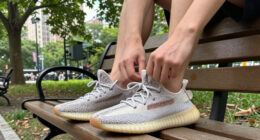
You can explore photographers who blend documentary realism with fine art aesthetics to craft powerful images that tell layered stories and evoke emotion. These artists combine authentic moments with artistic techniques like creative composition, lighting, and symbolism to elevate their work beyond simple documentation. They focus on capturing genuine expressions while shaping scenes to deepen meaning and mood. Keep exploring how these photographers create visually compelling narratives that inspire thought and reflection.
Key Takeaways
- These photographers merge authentic documentary moments with artistic compositions to create layered, meaningful images.
- They utilize lighting, color, and framing creatively to enhance storytelling beyond simple documentation.
- Their work often combines candid shots with staged or conceptual elements for emotional impact.
- They focus on conveying deeper narratives and symbolism while maintaining visual honesty.
- Their unique style elevates traditional documentary photography into expressive fine art storytelling.
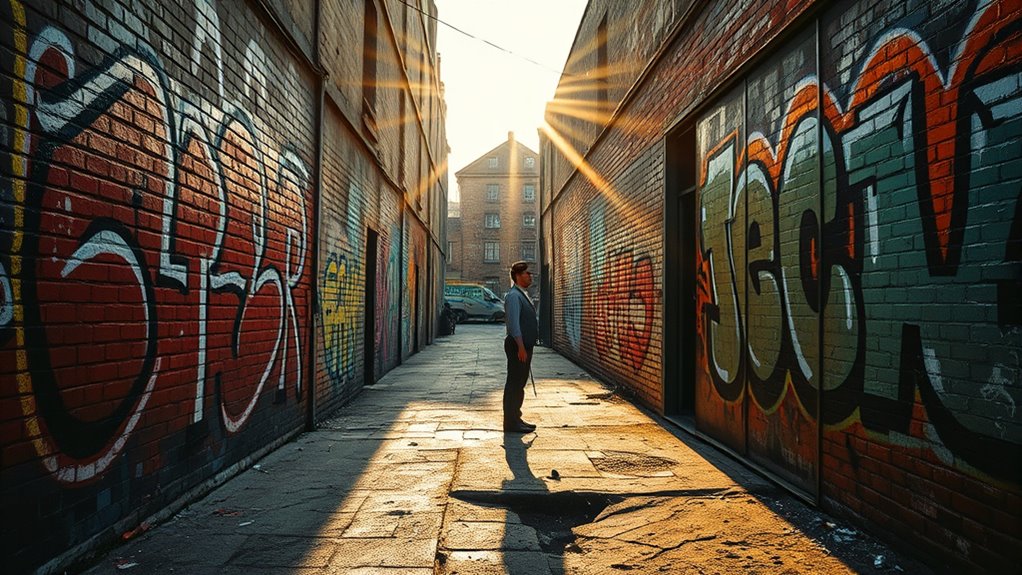
In today’s photography world, many artists are seamlessly merging documentary realism with fine art aesthetics to create compelling images that tell powerful stories while also mesmerizing the eye. This fusion elevates traditional portrait storytelling, transforming simple captures into layered narratives that invite viewers to explore deeper meanings. When you approach your work with this mindset, you begin to see every subject as part of a larger story, using conceptual compositions to add symbolism and emotion. Instead of just snapping a straightforward portrait, you craft scenes that evoke mood, context, and personality, blending authenticity with artistic interpretation.
By integrating documentary elements, you stay rooted in reality, capturing genuine moments and expressions that resonate deeply. These real-world details bring honesty and immediacy to your images, making them relatable and impactful. Yet, with fine art influences, you’re also free to manipulate compositions, lighting, and color palettes to enhance the narrative. You might choose a dramatic use of shadows or unexpected framing to emphasize certain emotions or themes, pushing your work beyond mere documentation. This balance allows you to create conceptual compositions—images that are thoughtfully arranged to communicate complex ideas or evoke specific feelings. Whether you’re portraying social issues, personal introspections, or cultural scenes, your goal is to craft a visual story that’s both truthful and artistically compelling.
Blending genuine moments with artistic manipulation creates powerful, visually compelling stories that resonate deeply.
As you blend these styles, you develop a unique voice that captures authenticity while also engaging viewers on an emotional level. You learn to see beyond the moment, considering how each element—background, pose, light—can contribute to the overall message. This approach requires a keen eye for detail and a willingness to experiment with composition, often combining candid shots with staged elements to highlight contrasts or themes. Understanding the importance of color accuracy and how it impacts the overall perception of your images can elevate your work even further. The result is a body of work that feels genuine yet elevated, inviting viewers into a world where reality and art coexist seamlessly.
In this process, you’re not just creating pretty pictures; you’re telling stories that matter. Your portraits become visual essays, filled with symbolism and layered meanings. You challenge yourself to think critically about what you want to communicate and how to do so in a visually striking way. By merging documentary and fine art photography, you cultivate a style that’s both honest and imaginative, giving your audience a richer, more nuanced experience. Ultimately, this approach transforms your photography into a powerful tool for storytelling—one that captures the essence of your subjects while also inspiring reflection and emotional connection.

Canon EOS Rebel T7 DSLR Camera Double Zoom Lens Kit with EF-S 18-55mm and EF 75-300mm Lenses, 24.1 Megapixel CMOS (APS-C) Sensor, Full HD Videos, Wi-Fi, Beginner Photographers, Digital Camera, Black
- High-Resolution Sensor: 24.1 Megapixel CMOS (APS-C)
- Fast Autofocus: Dual Pixel CMOS AF with Eye Detection
- Wireless Connectivity: Built-in Wi-Fi and NFC
As an affiliate, we earn on qualifying purchases.
As an affiliate, we earn on qualifying purchases.
Frequently Asked Questions
How Do Photographers Decide Which Style to Emphasize?
You decide which style to emphasize based on your creative vision and the message you want to convey. Trust your instincts and consider your strengths, whether capturing raw moments or creating artistic images. Maintaining stylistic consistency helps your audience recognize your work. Experiment with both approaches to see which resonates most with your personal style. Ultimately, your choice should reflect your unique perspective and the story you aim to tell.
What Equipment Is Best for Blending These Genres?
You might think fancy gear is essential, but it’s your eye that truly captures film aesthetics and blends genres. A good DSLR or mirrorless camera with manual controls, plus versatile lenses, helps you experiment with editing techniques and lighting to craft compelling images. Don’t forget a sturdy tripod for stability and perhaps a filter kit. Ultimately, your equipment’s only as good as your vision—so invest in what sparks your creativity.
How Do Clients Typically Respond to This Hybrid Approach?
Clients usually respond positively to this hybrid approach because it meets their expectations for authentic storytelling while showcasing artistic boundaries. They appreciate how you blend documentary honesty with fine art creativity, offering unique, memorable images. By clearly communicating your vision and process, you help manage expectations and demonstrate your ability to balance these genres effectively. This approach often results in deeper trust and satisfaction, making clients more likely to recommend your work.
Are There Specific Locations That Suit Blending Styles Better?
You’ll find that urban landscapes and natural settings perfectly suit blending styles. Picture wandering through vibrant city streets, where architecture and candid moments collide with artistic flair, or hiking into serene forests and mountain ranges that inspire poetic images. These locations offer dynamic contrasts and textures, allowing your documentary eye to capture authentic stories while your fine art sensibility adds depth and beauty. Such environments naturally enhance your hybrid approach, making every shot compelling and memorable.
How Does Pricing Differ for Documentary Versus Fine Art Work?
You’ll find that pricing strategies differ between documentary and fine art work because your value perception varies. For documentary projects, clients often expect package deals or hourly rates, focusing on storytelling. Fine art photography typically commands higher prices based on exclusivity and artistic value, allowing for premium pricing. Your approach should reflect these differences, ensuring your pricing aligns with the perceived worth and market demand for each style.
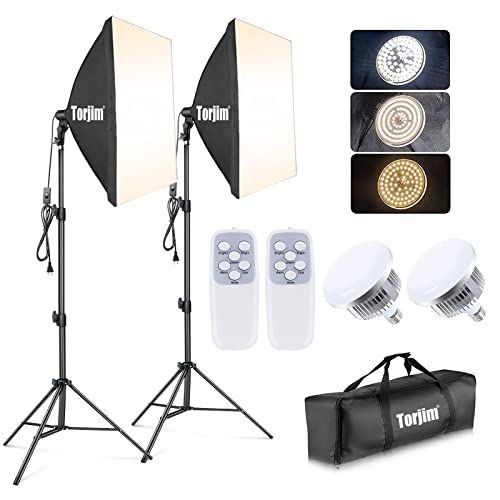
Torjim Softbox Photography Lighting Kit, 2Pcs 27" x 27" Professional Soft Box | 3000K-7500K 85W LED Bulbs with Remote, Photography Continuous Lighting Kit for Studio Lights, Portrait, Video Recording
- Wide Coverage Softbox: Inner nylon reflector and removable diffuser
- Energy Efficient Bulbs: 85W bulbs with 6000-hour lifespan
- Balanced Daylight Color: 7500K color temperature for natural light
As an affiliate, we earn on qualifying purchases.
As an affiliate, we earn on qualifying purchases.
Conclusion
As you explore the world through your lens, blending documentary and fine art allows you to craft images that are both truthful and emotionally resonant. It’s a powerful way to tell stories that challenge perceptions and evoke deeper meaning. Will you choose to see photography as just capturing reality, or will you embrace its potential to create something truly transformative? The choice is yours—how will you push the boundaries of your art?

CyberLink PhotoDirector 2026 | AI Photo Editing Software for Windows | Generative AI, Photo Retouching, Layer Editing, Effects & Design Tools | Box with Download Code
- AI Object Removal: Automatically detects and removes distractions
- AI Image Enhancer: Sharpens and retouches photos with AI
- Wire Removal: Erases power lines for cleaner images
As an affiliate, we earn on qualifying purchases.
As an affiliate, we earn on qualifying purchases.

KOGJAERS Motion Blur Bilateral 82mm Fx Prism, Ghost Effect for Creative Photos and Videos
- Creative Motion Blur Effect: Adds artistic motion blur to photos and videos
- Adjustable Focus: Rotate ring to control blur direction and intensity
- Versatile Use: Suitable for both photos and videos
As an affiliate, we earn on qualifying purchases.
As an affiliate, we earn on qualifying purchases.